
Ghazni vs. Tunis: Detailed 2026 Cost of Living & Quality Comparison
 Ghazni
Image by:Suliman Sallehi
Ghazni
Image by:Suliman Sallehi
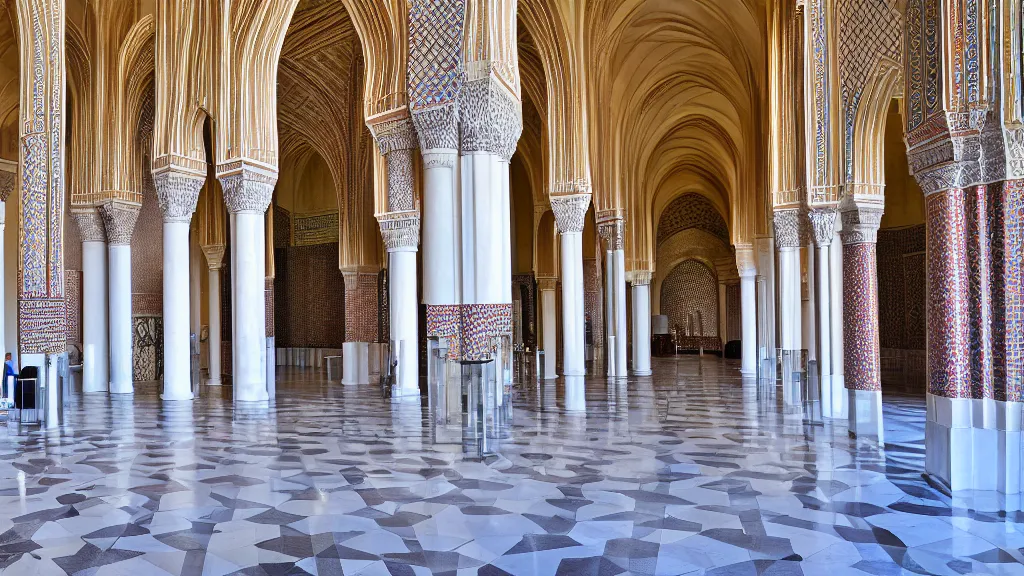
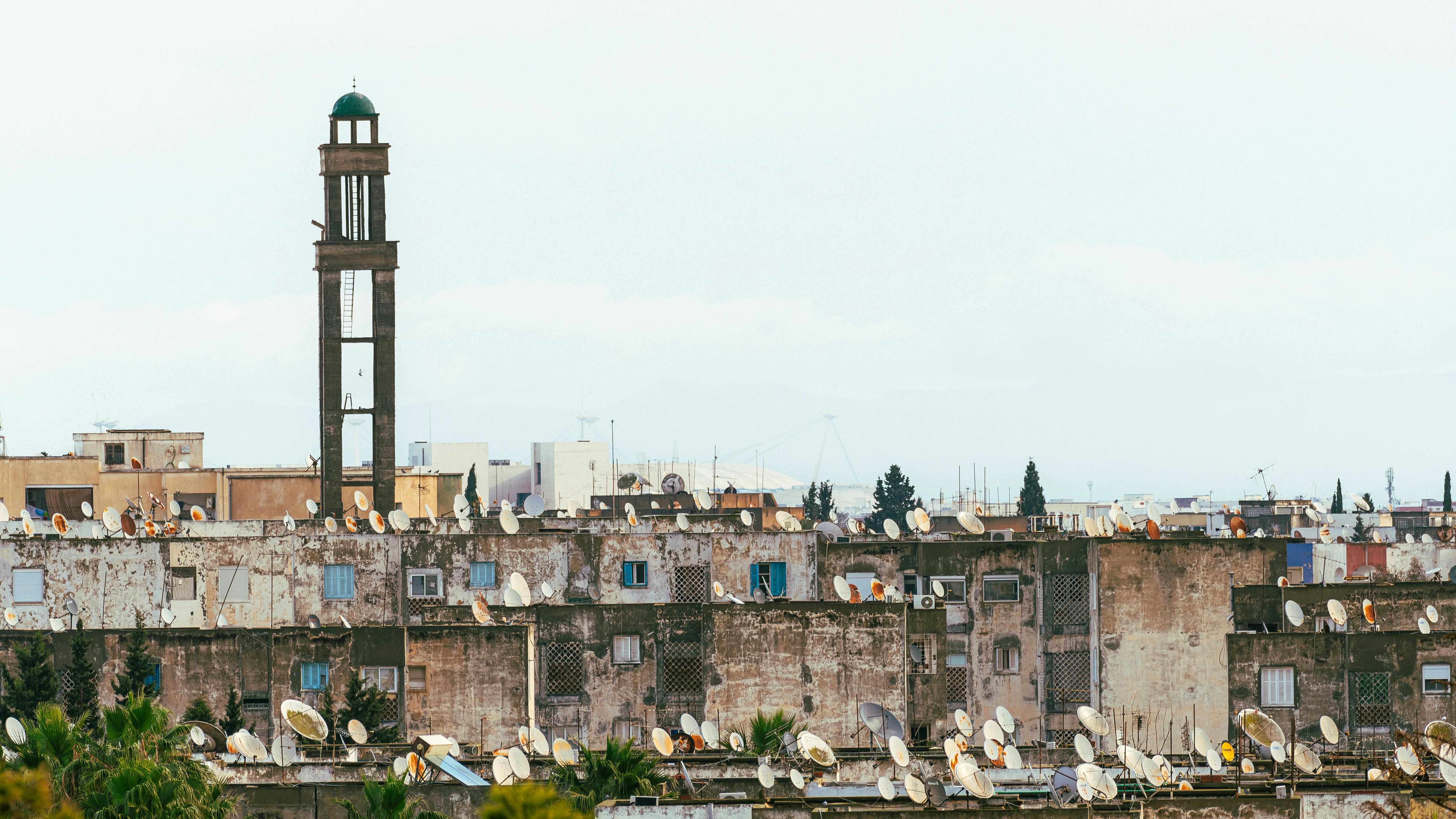 Tunis
Image by:Mahmoud Yahyaoui
Tunis
Image by:Mahmoud Yahyaoui
## Ghazni vs. Tunis: A 2026 Cost of Living and Quality Comparison
Ghazni presents a starkly different financial reality compared to Tunis, offering substantially lower living expenses in 2026. Basic food staples like bread and rice are significantly cheaper, and transportation costs, including fuel, are markedly reduced. This lower cost structure is particularly evident in day-to-day spending, making Ghazni an attractive option for budget-conscious individuals. However, this affordability comes with caveats; Ghazni's real estate data is notably sparse, making precise comparisons difficult, while Tunis reflects the higher costs associated with being a major urban center in a more developed nation.
The quality gap between Ghazni and Tunis is profound, particularly concerning safety and healthcare access, where direct data for Ghazni is often lacking or reflective of surrounding areas. Tunisia, conversely, generally offers superior access to quality healthcare and education, supported by a higher GDP per capita contributing to a higher standard of living. While Ghazni's lower cost of living could theoretically improve disposable income, the absence of clear, positive data on safety and the potential strain on infrastructure detract from its overall quality of life proposition compared to Tunis.
Assessing Ghazni's economic landscape is challenging due to limited data, but Tunisia's economy, with a GDP per capita significantly higher than Ghazni's, suggests more stable employment opportunities and greater income potential. This economic stability in Tunisia translates to a stronger financial security for residents, a factor that Ghazni cannot readily match given its less developed economic profile. The choice between these locations hinges partly on whether the lower costs in Ghazni can be weighed against the potential economic security offered by Tunisia.
Tunis's advantage extends clearly to its real estate and infrastructure. Property prices are considerably higher, reflecting a more developed market with clearer pricing for apartments. Crucially, Tunisia's infrastructure is more advanced, underpinning better utilities, public services, and overall urban functionality. Ghazni's infrastructure appears less developed, which can impact daily life, economic activity, and the consistency of essential services, further widening the gap in quality metrics.
In conclusion, Ghazni's significantly lower cost of living presents a compelling financial case for those prioritizing affordability. Yet, this must be carefully balanced against the substantial questions surrounding its quality of life, particularly regarding safety and healthcare, where data is either lacking or less favorable than Tunis. Tunis offers a higher standard of living backed by better infrastructure, healthcare, and economic stability, albeit at a much higher price. The decision rests on individual priorities, demanding a clear assessment of whether cost savings in Ghazni can outweigh the potential deficiencies in quality and security compared to the established advantages of Tunis.
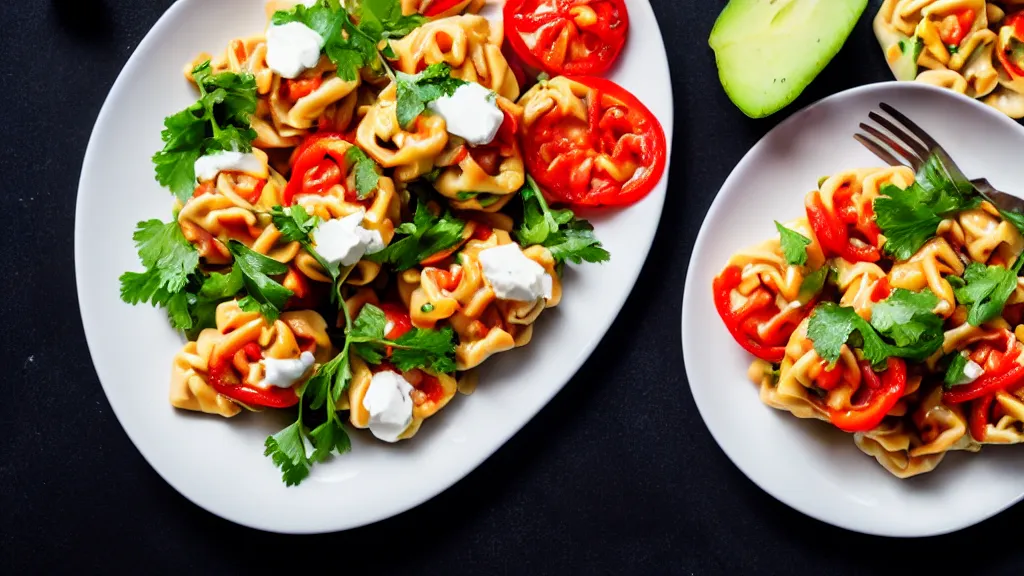 Ghazni
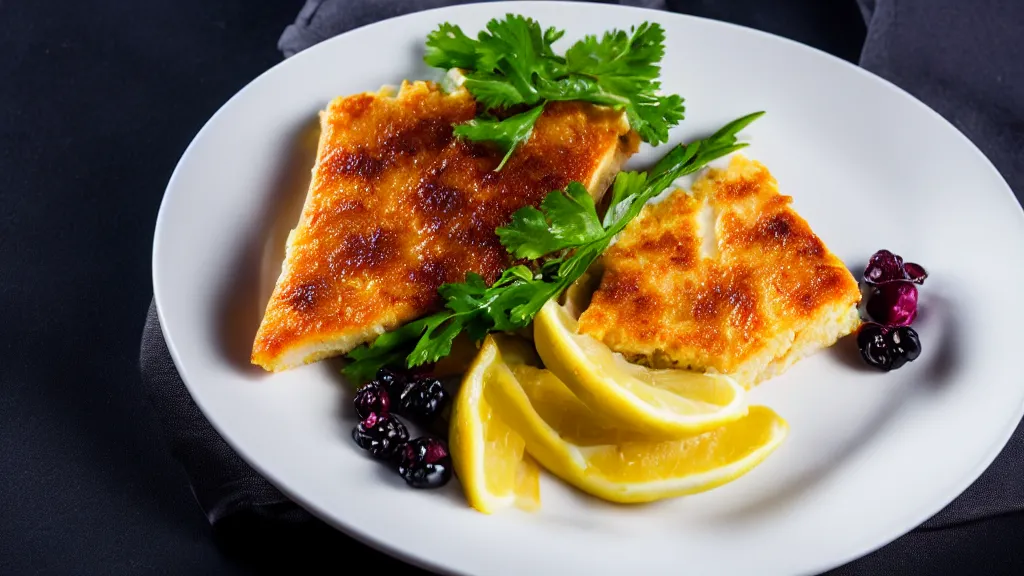 Tunis
TunisLocal cuisine & dishes
Ghazni
Tunis
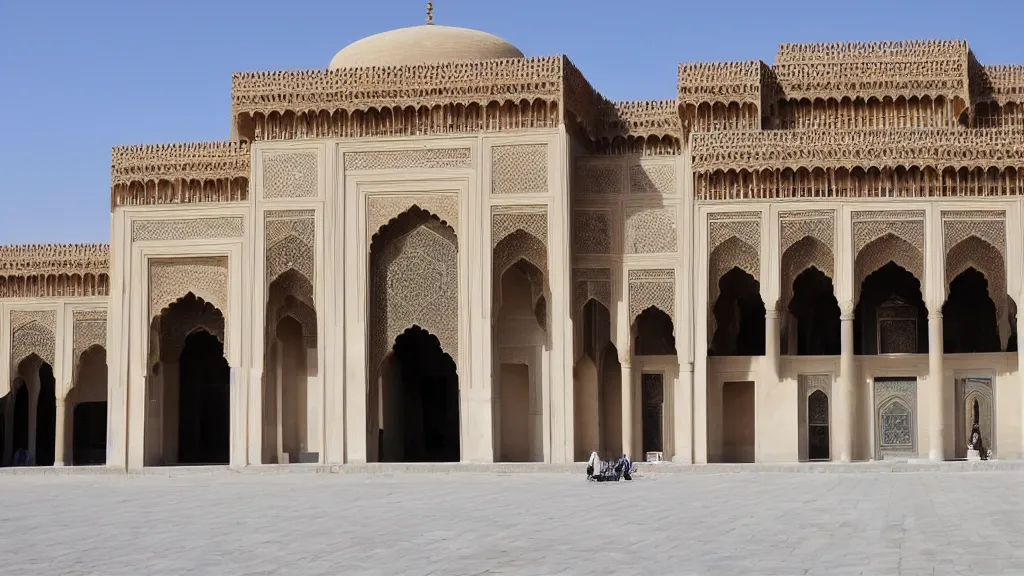 Ghazni
 Tunis
TunisTravel & attractions
Ghazni
Tunis
Real estate & living comparison
| Ghazni | Tunis | |
|---|---|---|
| International Primary School, Annual Tuition per Child | 1587.3 USD | 4029.53 USD |
| Private Full-Day Preschool or Kindergarten, Monthly Fee per Child | 20.9 USD | 119.71 USD |
| Jeans (Levi's 501 or Similar) | 10.32 USD | 49.79 USD |
| Men's Leather Business Shoes | 24.4 USD | 88.08 USD |
| Apples (1 kg) | 0.57 USD | 2.1 USD |
| Bananas (1 kg) | 0.85 USD | 4.05 USD |
| Bottled Water (0.33 Liter) | 0.16 USD | 0.35 USD |
| Cappuccino (Regular Size) | 1.06 USD | 1.02 USD |
| Cinema Ticket (International Release) | 2.38 USD | 6.25 USD |
| Gasoline (1 Liter) | 1.06 USD | 0.87 USD |
| Taxi 1 Hour Waiting (Standard Tariff) | 2.78 USD | 1.88 USD |
| Basic Utilities for 85 m2 Apartment (Electricity, Heating, Cooling, Water, Garbage) | 53.71 USD | 60.7 USD |
| Broadband Internet (Unlimited Data, 60 Mbps or Higher) | 113.1 USD | 20.89 USD |
| Population | 143,379 | 599,368 |
Last updated: 2026-04-05T11:46:49+00:00
Comments for this comparison