
Huai’an vs. Lahore: Detailed 2026 Cost of Living & Quality Comparison
 Huai'an
Image by:Mad Skillz,,
Huai'an
Image by:Mad Skillz,,
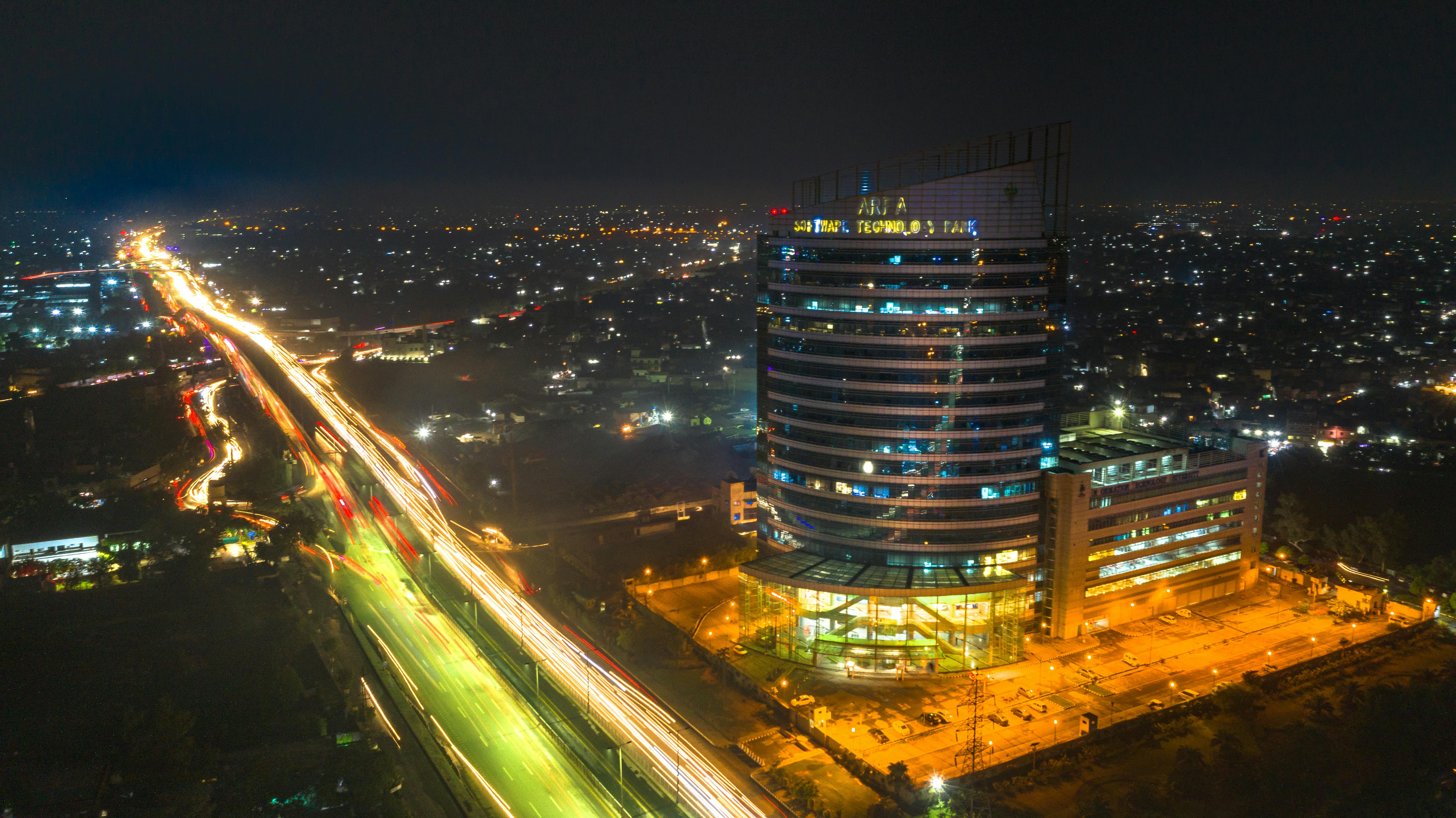 Lahore
Image by:Wasif Mehmood
Lahore
Image by:Wasif Mehmood
The urban landscapes of Huai’an and Lahore present contrasting profiles, reflecting their distinct geographical, economic, and developmental contexts. Situated across continents, these cities differ significantly in scale, with Lahore boasting a population exceeding twelve million, dwarfing Huai’an's two-point-six million inhabitants. This disparity is mirrored in available data granularity, where Lahore provides more comprehensive metrics covering cost indices, quality assessments, and real estate figures. Direct comparisons for Huai’an are hampered by data limitations, relying heavily on metrics from other Chinese cities, whereas Lahore offers a more detailed dataset. Economically, Huai’an demonstrates a substantially higher GDP per capita ($22,100) and growth rate (5.25%), indicative of a more advanced development stage, unlike Lahore's much lower GDP per capita ($5,400) and negligible growth rate (0.04%). This economic chasm influences various indicators, including the cost of living.
Direct economic comparisons reveal significant divergences, particularly concerning living expenses. While Huai’an's data is largely inferential based on other Chinese cities showing higher cost indices than Lahore's reported 20.65, the property market presents a stark contrast. Lahore's city centre real estate prices are notably affordable at approximately $608 per square meter, starkly contrasting with the hypothetical Huai’an figure of $1,305.79. Although salaries in Huai’an are implicitly much higher due to its GDP, direct figures are lacking, with Lahore reporting a net monthly salary of only $181.62, significantly lower than the implied earnings in Huai’an. Furthermore, Lahore's high annual mortgage interest rate of 15.17% adds another layer to the financial calculus for property investment, despite the lower purchase prices.
Assessing quality of life offers a nuanced perspective, with Lahore providing more detailed insights through its indices. Its Quality of Life Index registers 100.62, slightly above the benchmark, supported by decent scores in safety (63.49), healthcare (63.58), and climate (67.56). While Lahore shows lower crime rates and pollution levels compared to some Pakistani cities, its pollution index (78.71) remains a concern, suggesting potential reliance on measures like improved Sulfur-scrubbers for industrial emissions. In contrast, Huai’an's quality data remains largely indirect, referencing other Chinese cities. The higher GDP per capita in Huai’an likely correlates with superior public services and infrastructure, potentially featuring advanced systems like automated Brise-soleil facades for climate control in modern buildings, though this is not explicitly stated.
For investment and career opportunities, the data strongly favors Huai’an. Its significantly higher GDP per capita and robust growth rate (5.25%) suggest a dynamic economy offering superior long-term prospects and higher potential earnings for skilled professionals. This economic vitality would naturally support higher living costs, as evidenced by the cost indices for other Chinese cities. Lahore, conversely, presents limited high-paying job opportunities due to its sluggish economic growth and lower GDP per capita, despite its vast population base potentially offering diverse employment avenues at lower pay levels. The city's infrastructure, while perhaps featuring initiatives like Maglev technology development for future transport, currently struggles to match Huai’an's economic vibrancy.
Ultimately, the decision between Huai’an and Lahore hinges on fundamental priorities. Huai’an, despite data gaps in direct quality metrics, presents a compelling case for those prioritizing rapid economic advancement, higher earning potential, and likely superior infrastructure development, such as advanced transportation systems like Maglev. Lahore, however, offers a substantially lower cost of living, particularly for housing, alongside more detailed quality-of-life data that, while indicating areas for improvement (safety, healthcare, pollution), generally performs better than comparable data for Huai’an. Lahore's economic trajectory remains constrained, making it a less attractive proposition for those seeking significant economic opportunity compared to the more developed Huai’an.
 Huai'an
 Lahore
Local cuisine & dishes
Huai'an
Lahore
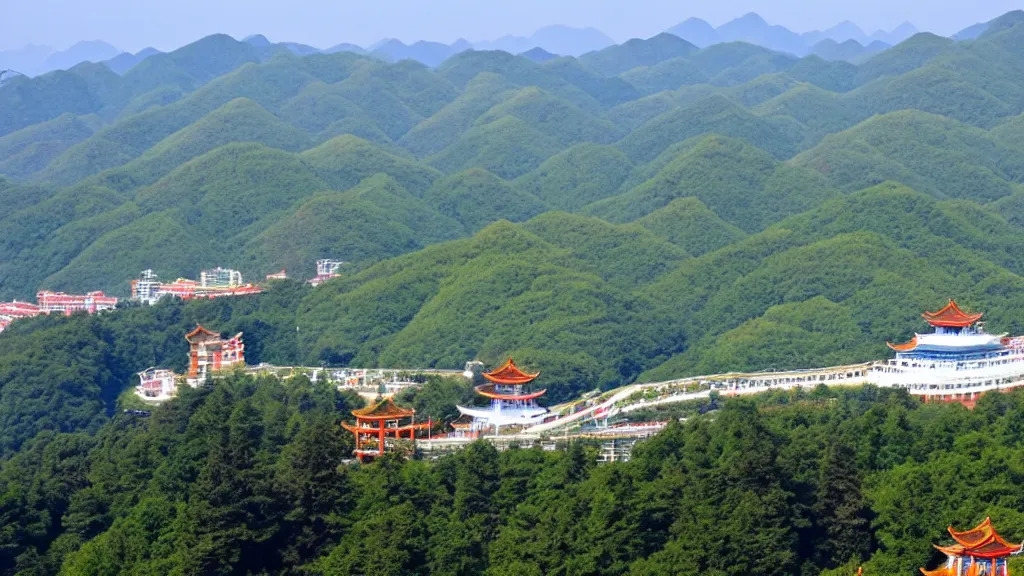 Huai'an
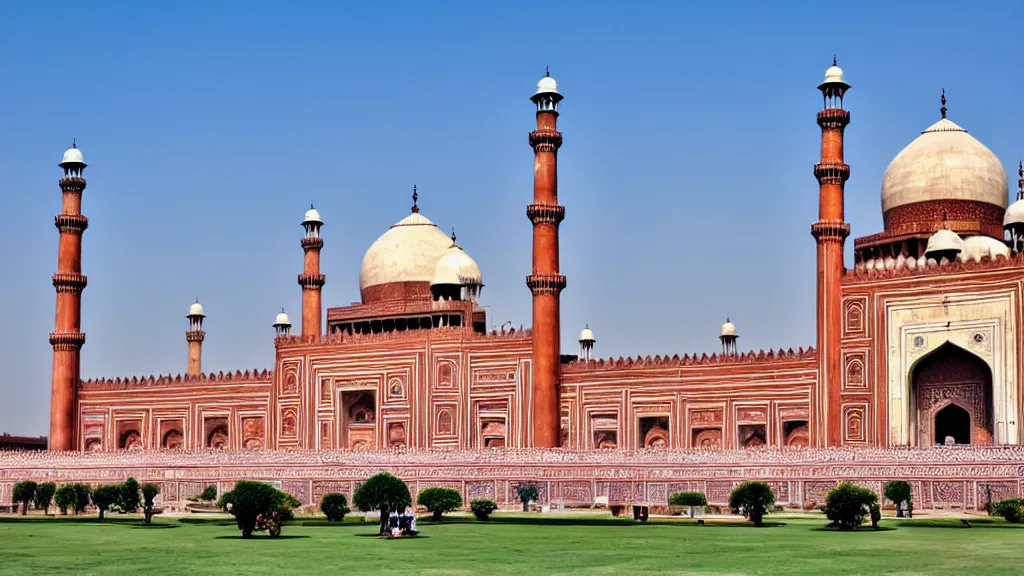 Lahore
Travel & attractions
Huai'an
Lahore
Real estate & living comparison
| Huai'an | Lahore | |
|---|---|---|
| Price per Square Meter to Buy Apartment Outside of Centre | 1305.79 USD | 608.5 USD |
| GDP Growth Rate: | 5.25 USD | 0.04 USD |
| GDP Per Capita ($) : | 22100 USD | 5400 USD |
| Population | 2,632,788 | 12,306,000 |
Last updated: 2026-04-05T11:26:44+00:00
Comments for this comparison