
Kamalia vs. Karatsu: Detailed 2026 Cost of Living & Quality Comparison
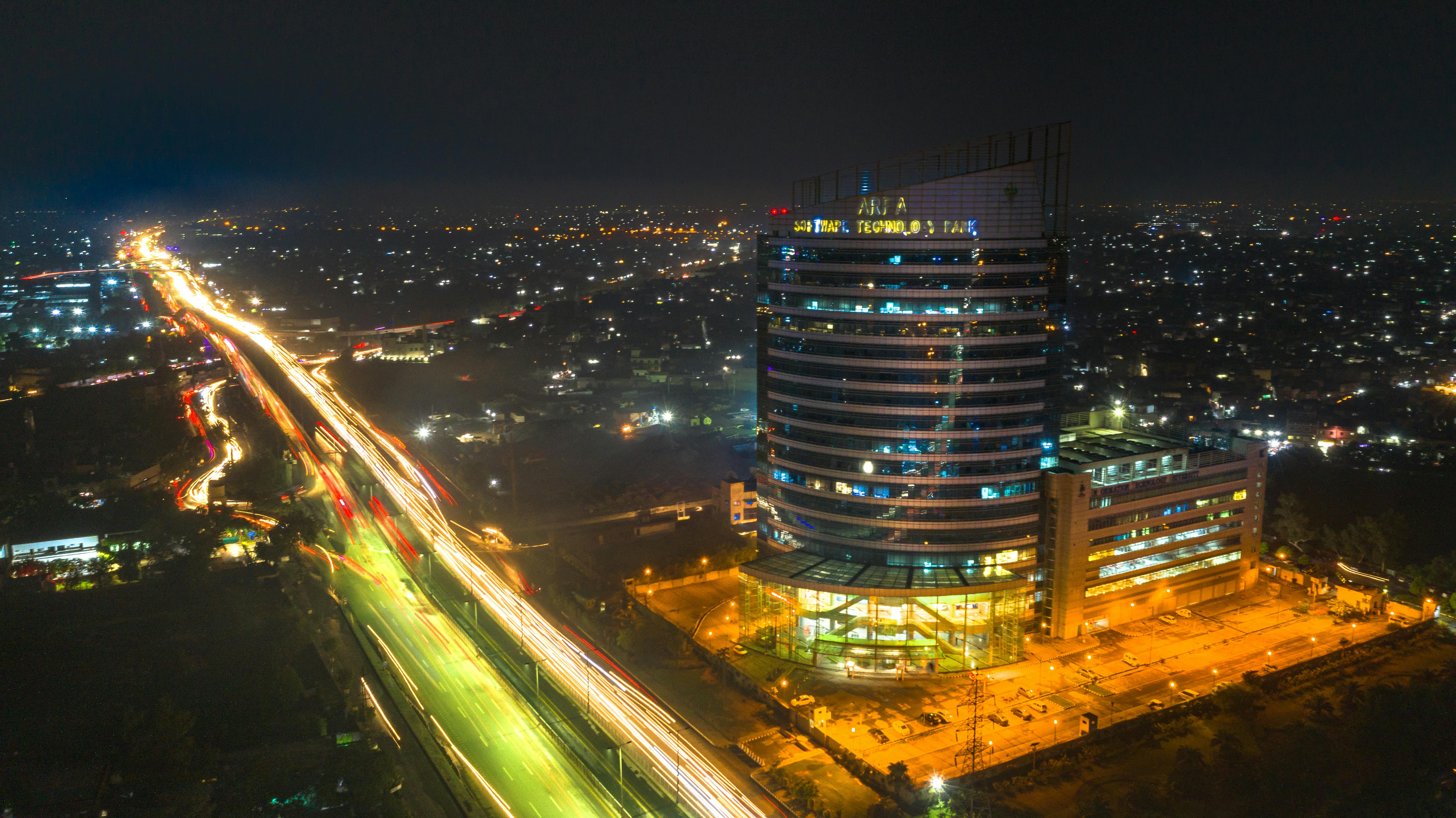 Kamalia
Image by:Wasif Mehmood
Kamalia
Image by:Wasif Mehmood
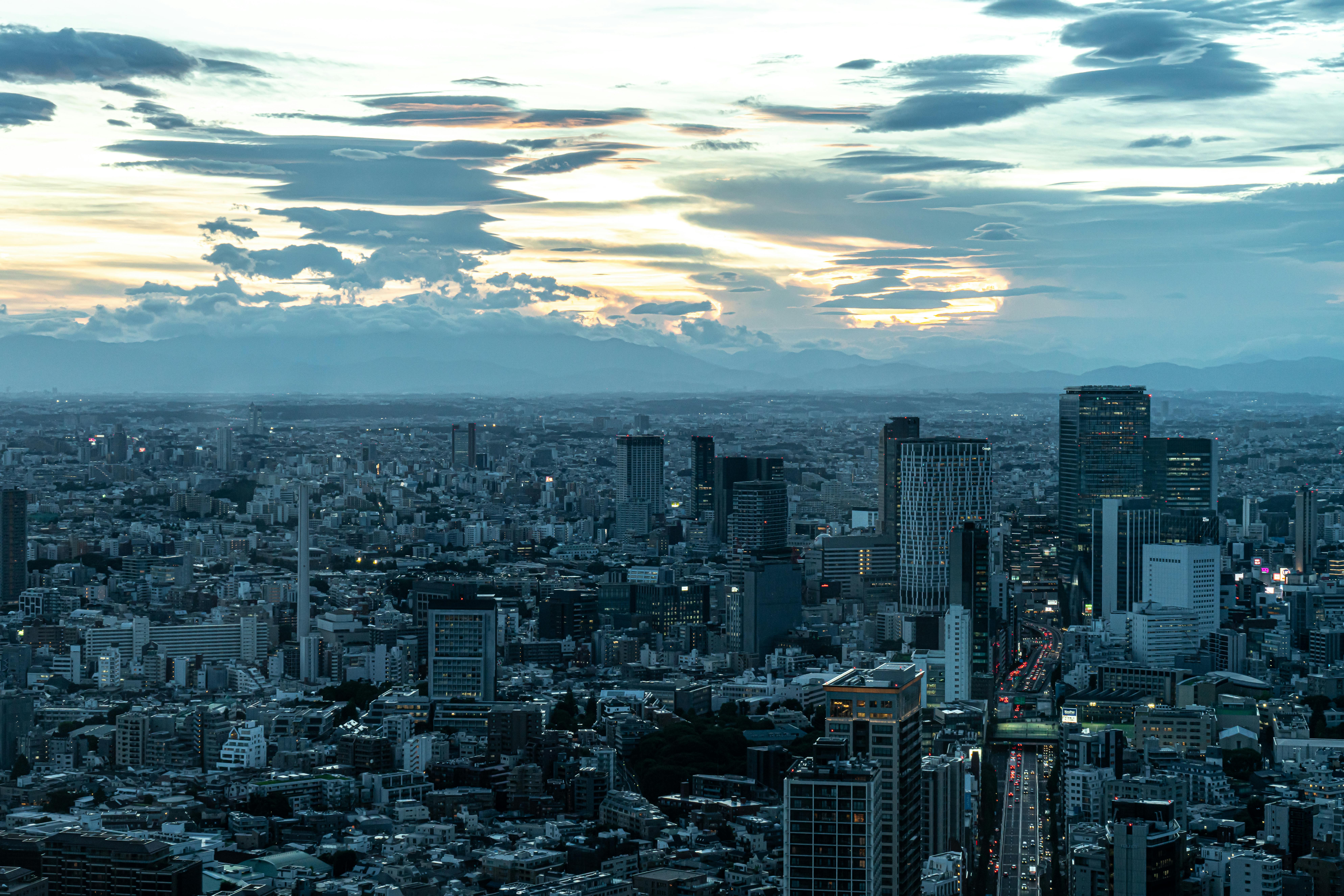 Karatsu
Image by:Kuma Jio
Karatsu
Image by:Kuma Jio
Kamalia, Pakistan, and Karatsu, Japan, present fundamentally contrasting urban landscapes in 2026, differing sharply in economic structure and quality of life. Kamalia's larger population of 121,401 contrasts with Karatsu's slightly smaller figure of 116,052, but the comparison reveals significant economic disparities. Kamalia offers substantially lower costs for essentials like food, transportation, and utilities, reflecting its developing status. Housing costs, however, are dramatically lower in Kamalia, making property more accessible, yet this comes with a much higher mortgage interest rate of 15.17% compared to Karatsu's low 1.86%. This high borrowing cost underscores financial instability in Kamalia. Conversely, Karatsu's costs are significantly higher, indicative of its developed nation context, but its lower interest rate suggests a stable financial environment.
The economic analysis confirms Kamalia's affordability advantage across most basic living expenses, including groceries, meals out, transport, and utilities, all being considerably cheaper than in Karatsu. Housing is the most pronounced cost difference, with Kamalia offering vastly more accessible options for both renting and buying. However, the high 15.17% mortgage rate in Kamalia presents a significant financial hurdle for borrowing, directly contrasting with the stable, low 1.86% rates available in Karatsu, which drastically reduces the long-term cost of property financing there.
The comparison starkly highlights a gap in quality of life, with Karatsu scoring considerably higher across the board. Kamalia's scores suggest more basic amenities and potentially underdeveloped services in areas like healthcare access, safety, public services, environmental quality, and education. While the data doesn't explicitly detail healthcare or safety, the lower quality index strongly implies these areas are less developed or satisfactory compared to Karatsu. Kamalia's quality scores, though higher than some other Pakistani cities, still fall significantly short of Karatsu's, indicating a clear trade-off between lower costs and potentially lower living standards.
Karatsu demonstrates superior quality metrics, benefiting from Japan's advanced infrastructure, high standards of public services, and generally excellent living conditions, particularly compared to other locations like Beppu or Hiroshima. Kamalia's quality scores point towards more fundamental services, suggesting room for improvement in healthcare access, safety, and the overall standard of living. This gap suggests that while Kamalia offers financial relief, Karatsu provides a more robust and secure environment for daily living.
Ultimately, the decision between Kamalia and Karatsu requires a careful balancing act between cost and quality. Kamalia provides immense savings on living expenses and housing, but at the cost of potentially lower quality of life and higher borrowing expenses. Karatsu offers a significantly higher cost of living but delivers superior quality metrics, lower mortgage rates, and likely better career prospects within a stable, developed economy. The choice hinges on whether the value of lower expenses outweighs the benefits of higher living standards, better infrastructure, and greater financial stability offered by Karatsu.
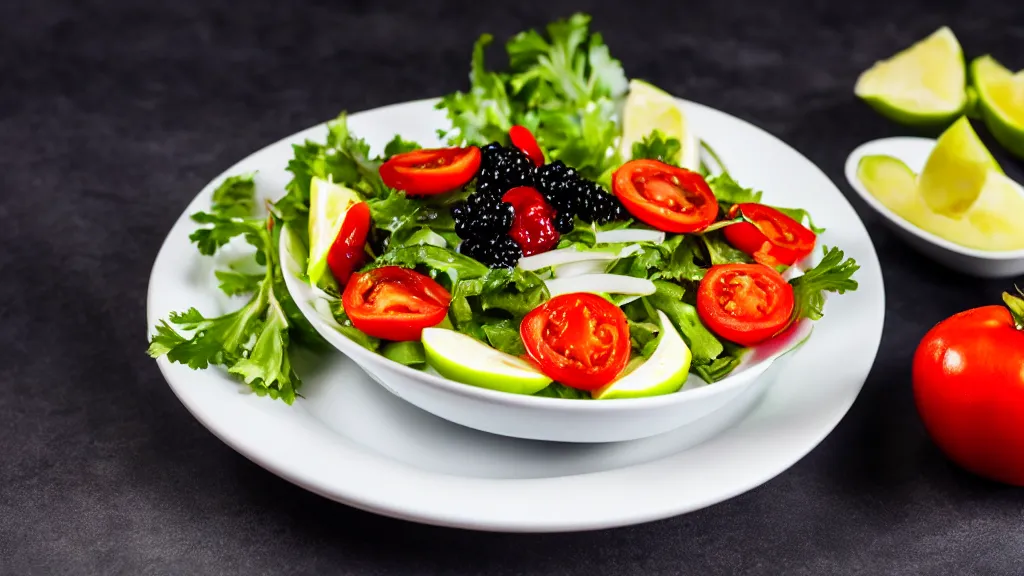 Kamalia
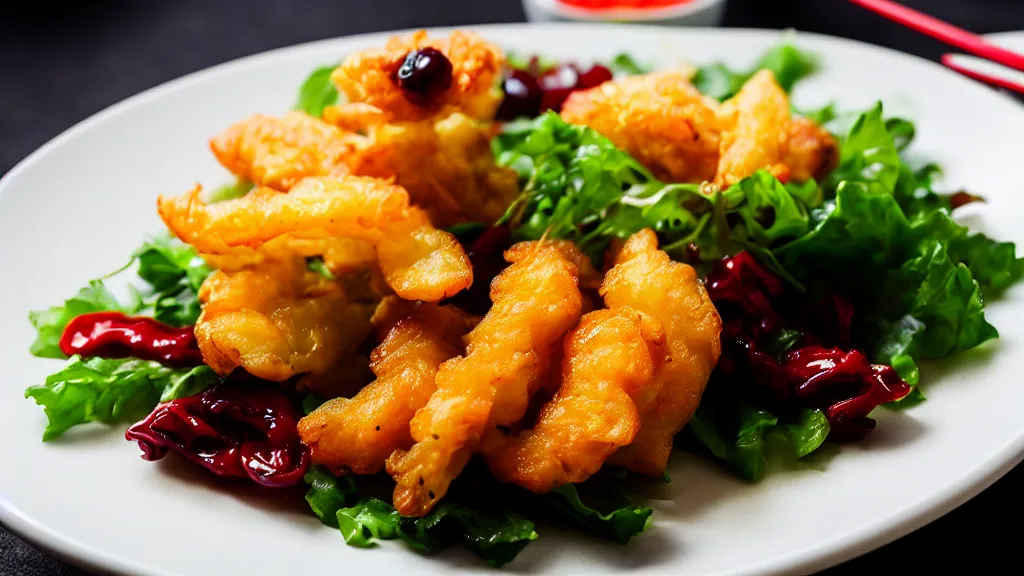 Karatsu
Local cuisine & dishes
Kamalia
Karatsu
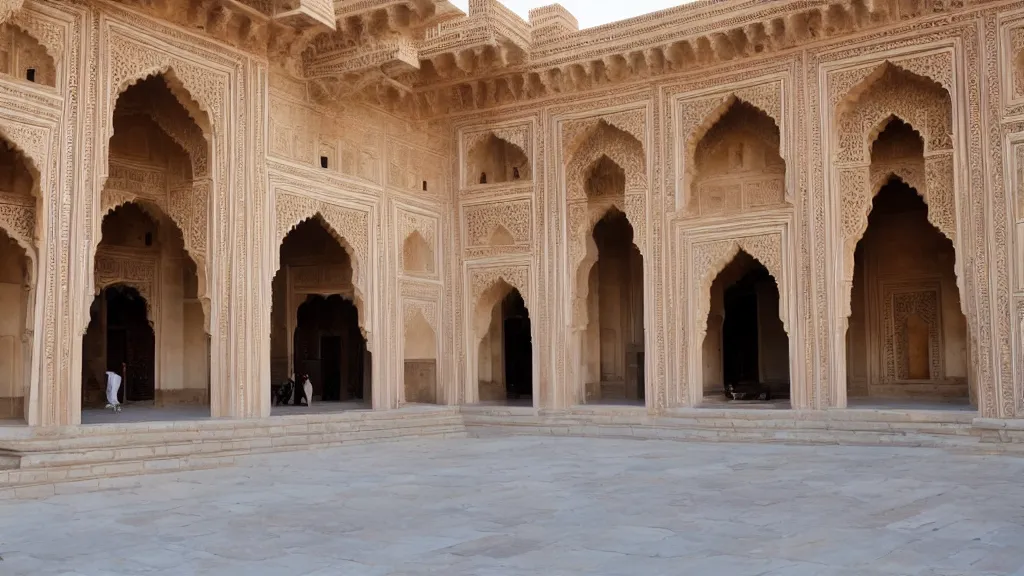 Kamalia
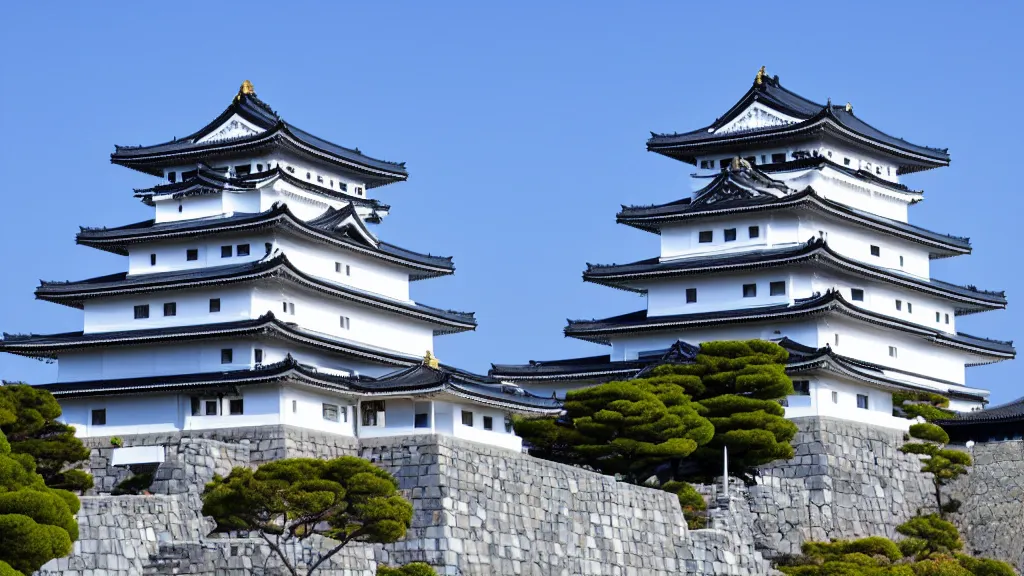 Karatsu
Travel & attractions
Kamalia
Karatsu
Real estate & living comparison
| Kamalia | Karatsu | |
|---|---|---|
| International Primary School, Annual Tuition per Child | 1853.68 USD | 12246.77 USD |
| Private Full-Day Preschool or Kindergarten, Monthly Fee per Child | 44.14 USD | 127.21 USD |
| Jeans (Levi's 501 or Similar) | 16.28 USD | 50.88 USD |
| Men's Leather Business Shoes | 31.82 USD | 55.65 USD |
| Apples (1 kg) | 1.27 USD | 3.66 USD |
| Bananas (1 kg) | 0.69 USD | 1.43 USD |
| Bottled Water (0.33 Liter) | 0.23 USD | 0.69 USD |
| Cappuccino (Regular Size) | 2.55 USD | 3.42 USD |
| Annual Mortgage Interest Rate (20-Year Fixed, in %) | 15.17 USD | 1.86 USD |
| Cinema Ticket (International Release) | 4.46 USD | 12.72 USD |
| Gasoline (1 Liter) | 0.94 USD | 1.11 USD |
| Taxi 1 Hour Waiting (Standard Tariff) | 1.78 USD | 17.97 USD |
| Basic Utilities for 85 m2 Apartment (Electricity, Heating, Cooling, Water, Garbage) | 127.18 USD | 198.99 USD |
| Broadband Internet (Unlimited Data, 60 Mbps or Higher) | 16.91 USD | 32.79 USD |
| Population | 121,401 | 116,052 |
Last updated: 2026-04-05T11:40:17+00:00
Comments for this comparison