
Ibaraki vs. Jaipur: Detailed 2026 Cost of Living & Quality Comparison
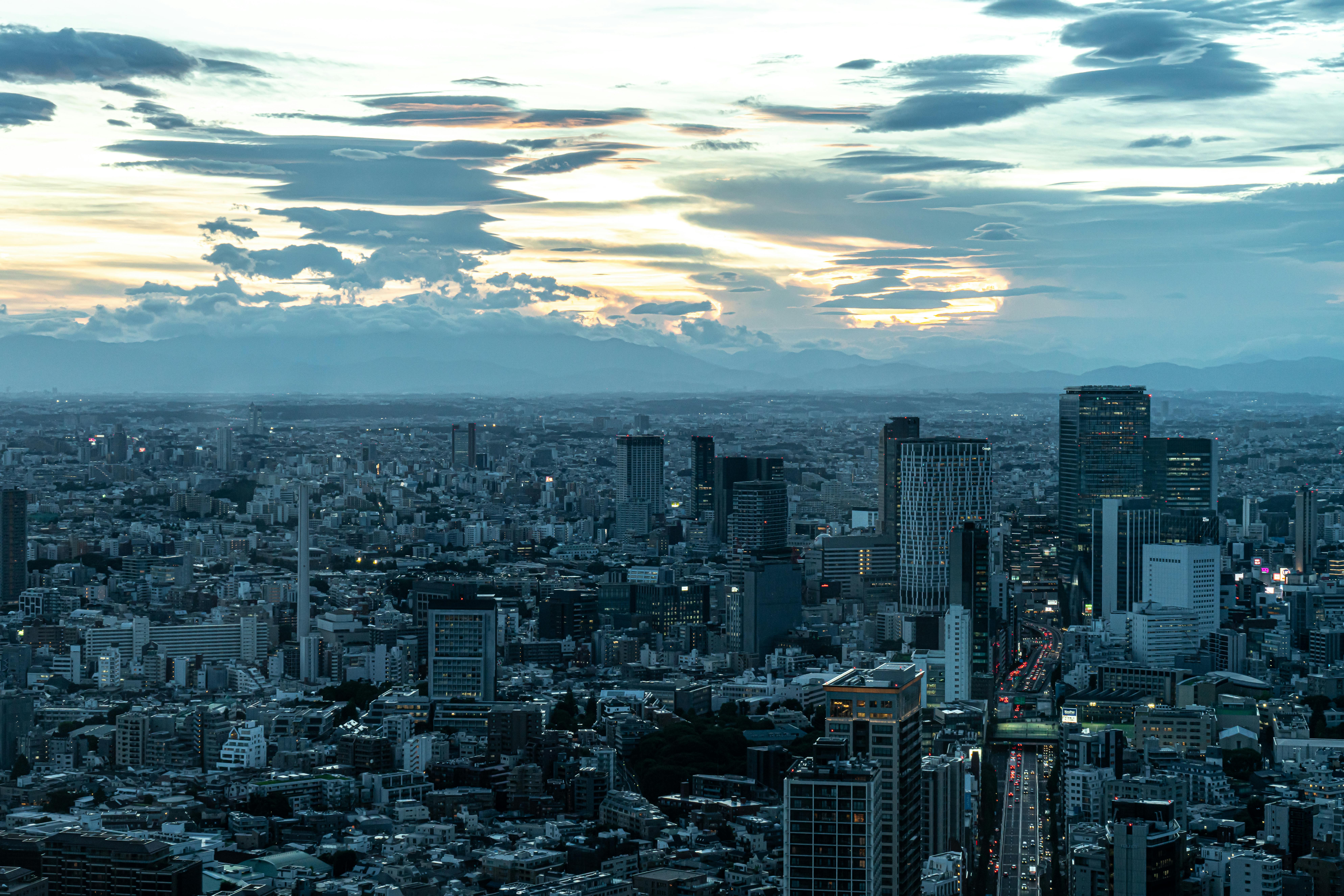 Ibaraki
Image by:Kuma Jio
Ibaraki
Image by:Kuma Jio
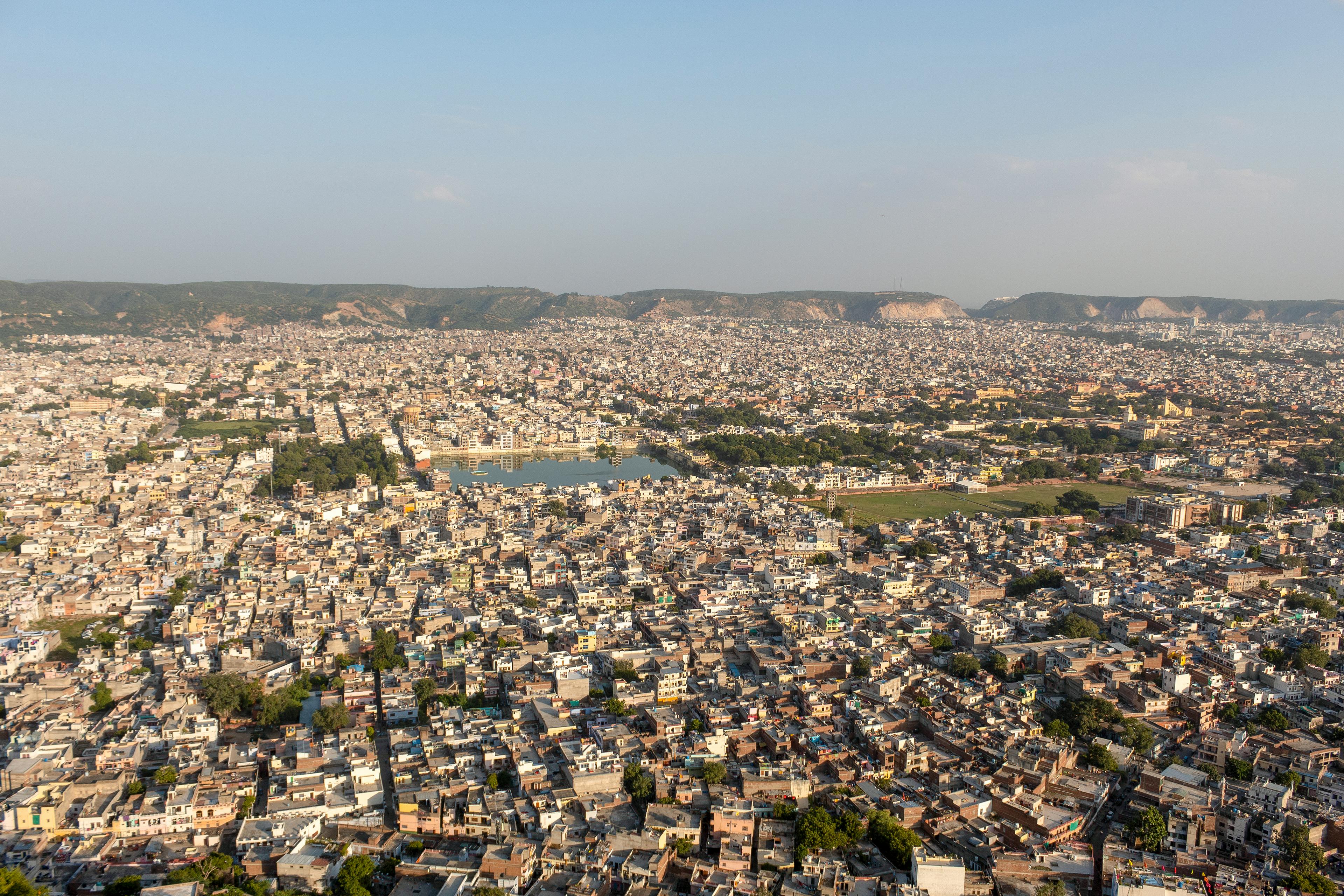 Jaipur
Image by:Sagar Soneji
Jaipur
Image by:Sagar Soneji
Ibaraki presents a substantially more affluent economic landscape than Jaipur, evidenced by its significantly higher GDP per capita ($46,200 versus $9,200). This economic disparity translates directly into a higher cost of living, reflected in Ibaraki's Cost of Living Index (18.38) compared to Jaipur's (80.86). The average monthly net salary in Ibaraki ($2,544.12) is nearly five times higher than in Jaipur ($462.72), yet this elevated income is matched by substantially higher expenses, particularly for housing. A 1-bedroom apartment in Ibaraki's city center costs $401.18 per month, nearly three times Jaipur's rate ($152.49), although Jaipur's property prices, while high relative to salaries, remain considerably lower than comparable figures in Japan. The average mortgage interest rate in Jaipur stands at 8.9%, a significant factor for potential homebuyers.
Economically, Ibaraki demonstrates a much higher standard of living with its elevated GDP per capita and significantly higher average monthly net salary ($2,544.12). This higher income, however, is matched by substantially higher living costs. Housing is particularly expensive in Ibaraki, with a 1-bedroom apartment in the city center renting for $401.18 per month, nearly three times more expensive than the $152.49 rate in Jaipur. While the data does not provide the average property price in Ibaraki, Jaipur's figures show prices ranging from $405.77 to $818.17 per square meter outside and inside the city center, respectively, which, while high relative to salaries, are still considerably lower than comparable figures in Japan. The average mortgage interest rate in Jaipur is 8.9%, a significant factor for potential homebuyers. The disparity in salaries and costs suggests that while Ibaraki offers higher earning potential, Jaipur presents a more affordable housing market relative to its income levels, though the overall cost of living remains substantially lower than in Ibaraki.
The quality of life metrics paint a complex picture. Ibaraki's overall Quality of Life Index is 142.69, slightly higher than Jaipur's city-wide index, although Jaipur's surrounding areas show significant variation. Ibaraki scores higher in safety (index 64.28) and healthcare (index 72.87), suggesting better public safety and healthcare access, potentially reflecting advanced infrastructure like secure Maglev networks. Conversely, Jaipur performs better in the climate index (57.76) and shows lower pollution levels (index 61.06), possibly due to less industrial scrubbing requirements like sulfur-scrubbers. The traffic commute time index is considerably lower in Jaipur (42.08), indicating potentially shorter commutes or less congested transport, although localized data for Jaipur suburbs is unavailable. The higher safety and healthcare scores in Ibaraki likely contribute to a perception of greater overall security and well-being, despite the higher cost of living, whereas Jaipur's quality of life may be more variable depending on the specific location, with some areas potentially benefiting from brise-soleil facades reducing cooling costs.
For career and investment considerations, Ibaraki offers a more stable economic environment with a GDP growth rate of 1.68% and a lower population growth rate of 0.43%. The higher salaries ($2,544.12) suggest greater purchasing power, albeit at a higher cost of living. Career prospects in Japan often come with greater job security and access to advanced infrastructure and technology, though international mobility can be challenging. Jaipur, conversely, exhibits a higher GDP growth rate (8.15%) and a slightly higher population growth rate (0.72%), indicating a potentially faster-growing economy and more dynamic job market, albeit with lower average salaries ($462.72). The lower cost of living in Jaipur makes the lower salaries more manageable, potentially offering better value for money. However, the higher mortgage interest rate (8.9%) and potentially less stable economic conditions compared to Japan might present slightly higher investment risks, particularly for property. Career advancement might be more rapid in the growing Indian economy, but job security could be comparatively lower than in Japan.
In conclusion, Ibaraki and Jaipur present fundamentally different environments for living and working, primarily distinguished by cost, economic structure, and quality of life priorities. Ibaraki offers a higher standard of living with better safety, healthcare, and purchasing power (after accounting for cost), but at a significantly higher expense level, potentially requiring advanced energy-efficient brise-soleil facades. Jaipur provides a much lower cost of living, particularly for housing, and potentially faster career growth opportunities, but with lower salaries, potentially less job security, and variable quality of life depending on location, possibly lacking the same level of environmental scrubbing like sulfur-scrubbers. The choice between the two cities hinges on individual priorities: those prioritizing stability, security, and a higher standard of living within a developed economy should lean towards Ibaraki, accepting the higher financial burden. Those seeking lower living costs, potentially more career dynamism, and a developing economic landscape might find Jaipur more appealing, despite the trade-offs in certain quality-of-life metrics and lower salaries.
 Ibaraki
 Jaipur
Local cuisine & dishes
Ibaraki
Jaipur
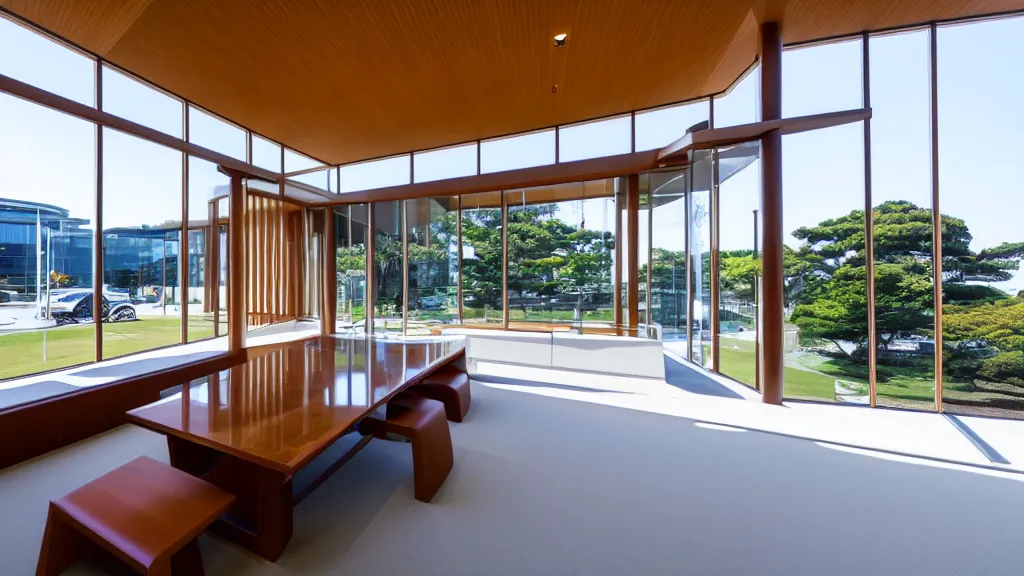 Ibaraki
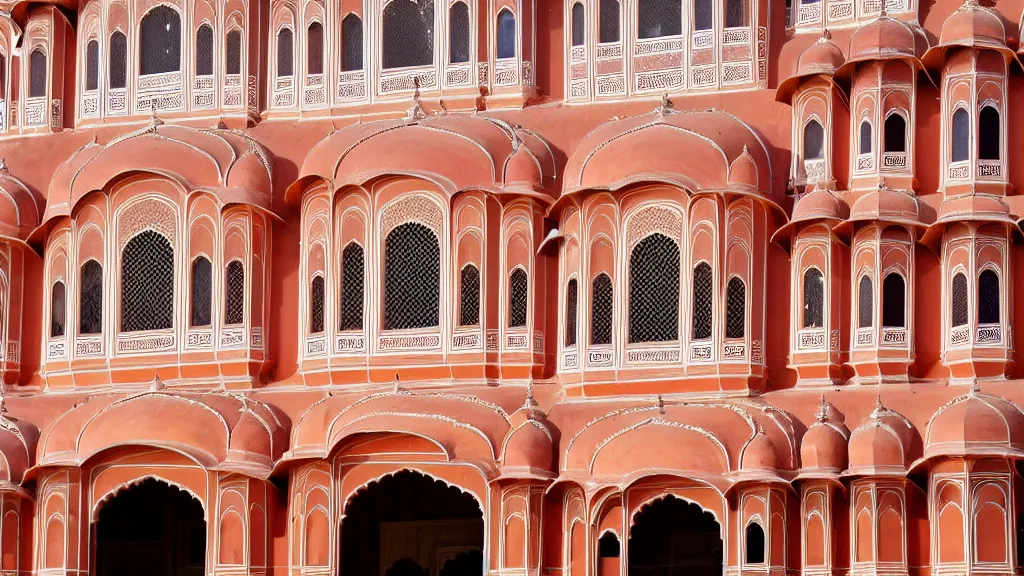 Jaipur
Travel & attractions
Ibaraki
Jaipur
Real estate & living comparison
| Ibaraki | Jaipur | |
|---|---|---|
| Jeans (Levi's 501 or Similar) | 26.75 USD | 25.49 USD |
| Men's Leather Business Shoes | 80.24 USD | 39.67 USD |
| Apples (1 kg) | 7.63 USD | 1.79 USD |
| Bananas (1 kg) | 3.18 USD | 0.5 USD |
| 1 Bedroom Apartment in City Centre | 401.18 USD | 152.49 USD |
| 1 Bedroom Apartment Outside of City Centre | 263.11 USD | 85.73 USD |
| Bottled Water (0.33 Liter) | 0.64 USD | 0.15 USD |
| Cappuccino (Regular Size) | 2.86 USD | 1.61 USD |
| Average Monthly Net Salary (After Tax) | 2544.12 USD | 462.72 USD |
| GDP Growth Rate: | 1.68 USD | 8.15 USD |
| Cinema Ticket (International Release) | 9.54 USD | 3.26 USD |
| Monthly Fitness Club Membership | 31.8 USD | 16.55 USD |
| Gasoline (1 Liter) | 1.12 USD | 1.13 USD |
| Monthly Public Transport Pass (Regular Price) | 59.6 USD | 10.61 USD |
| Basic Utilities for 85 m2 Apartment (Electricity, Heating, Cooling, Water, Garbage) | 135.16 USD | 42.89 USD |
| Broadband Internet (Unlimited Data, 60 Mbps or Higher) | 25.44 USD | 7.79 USD |
| Population | 283,835 | 3,073,350 |
Last updated: 2026-04-05T15:32:19+00:00
Comments for this comparison