
Matsumoto vs. Ota: Detailed 2026 Cost of Living & Quality Comparison
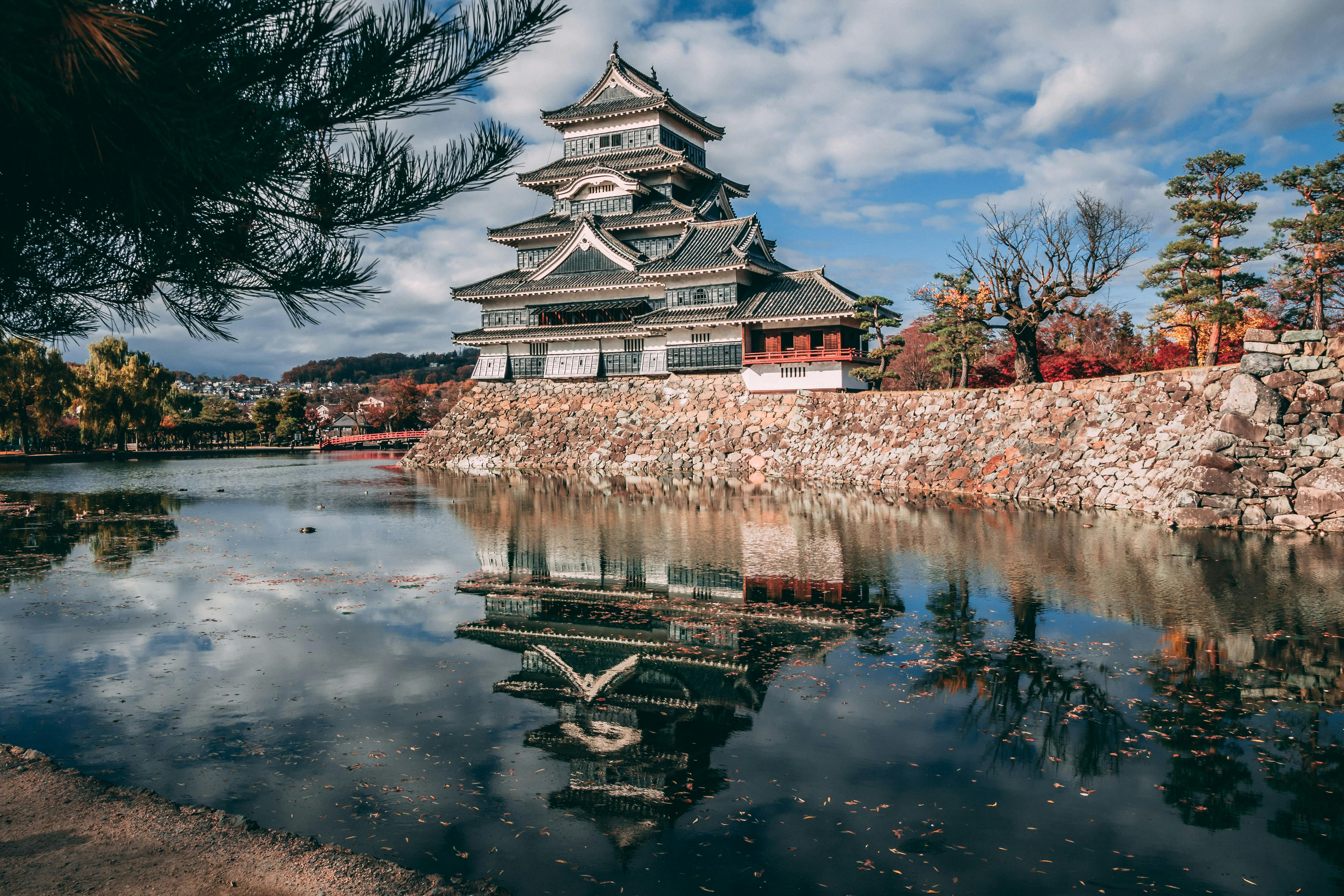 Matsumoto
Image by:DSD
Matsumoto
Image by:DSD
 Ota
Image by:Ashar Mirza
Ota
Image by:Ashar Mirza
Matsumoto and Ota, despite comparable GDP per capita ($46,200) and growth rates (1.68%) for 2026, present fundamentally different economic landscapes. Matsumoto's lower annual mortgage interest rate (2.07%) offers marginally cheaper property financing, but this advantage is dwarfed by the stark reality of property prices. Matsumoto's Nagano region registers at 71.1, a fraction of Ota's Tokyo property prices at 99.06, making housing in the metropolis significantly more expensive. This disparity extends beyond real estate, with Matsumoto offering substantially lower utility bills ($102.76 vs. $157.70 for an 85m² apartment) and generally more affordable food costs for staples like white rice ($4.13/kg) and chicken fillets ($6.36/kg), although beef is notably cheaper in Matsumoto ($11.24/kg) than Ota ($21.32/kg). Transportation costs for identical cars are identical, but Ota's gasoline is slightly cheaper, while daily transport costs like taxi fares start at the same price but have different rates per kilometer. Crucially, childcare is significantly less expensive in Matsumoto ($652.46/month) than in Ota ($1,109.52/month).
The gap in quality of life between these two cities is equally pronounced, favoring Ota's position within the Greater Tokyo Area. Ota benefits from the vibrant environment of the Tokyo-Yokohama metropolitan area, reflected in quality indices far exceeding those of Matsumoto's surroundings (Tokyo 99.06, Yokohama 140.45 vs. Nagano 71.1, Karuizawa 74.54). This translates to superior access to cultural amenities, a wider array of services, entertainment, and, critically, advanced healthcare facilities and resources typically concentrated in major urban centers. Matsumoto's lower quality metrics suggest a more rural existence, potentially offering a slower pace of life and closer connection to nature, but at the cost of fewer urban conveniences and amenities.
Healthcare access and educational services further highlight the divide. While Matsumoto provides a more affordable lifestyle overall, its healthcare system, though functional, operates under the constraints of a smaller, less densely populated area. This can mean longer wait times or fewer specialized options compared to the extensive, world-class healthcare infrastructure available within the Tokyo metropolitan area, particularly in Ota. The trade-off is clear: Matsumoto offers lower costs for living and healthcare, but potentially compromises on the depth and accessibility of these essential services.
For career prospects and investment potential, Ota is undeniably superior. As part of the economic powerhouse that is Greater Tokyo, Ota offers vastly superior job market diversity, higher earning potential, and greater opportunities for career advancement and investment returns. While Matsumoto presents a lower cost of living, its economic base and job market are likely less diverse and robust than those found in the nation's economic hub. The slightly lower mortgage rate in Ota might be offset by higher living costs, but the career and investment advantages in Tokyo far outweigh these considerations for those seeking professional growth.
Ultimately, the choice hinges on prioritizing urban dynamism, career advancement, and a higher quality of life index against the backdrop of significantly higher costs for housing, utilities, childcare, and daily living expenses. Ota delivers superior economic opportunity and lifestyle amenities but demands a substantial financial commitment. Matsumoto provides a more affordable alternative but offers fewer urban services, potentially limiting healthcare access and career prospects. The decision requires weighing the value of metropolitan advantages against the savings offered by a regional city's lower cost structure.
 Matsumoto
 Ota
OtaLocal cuisine & dishes
Matsumoto
Ota
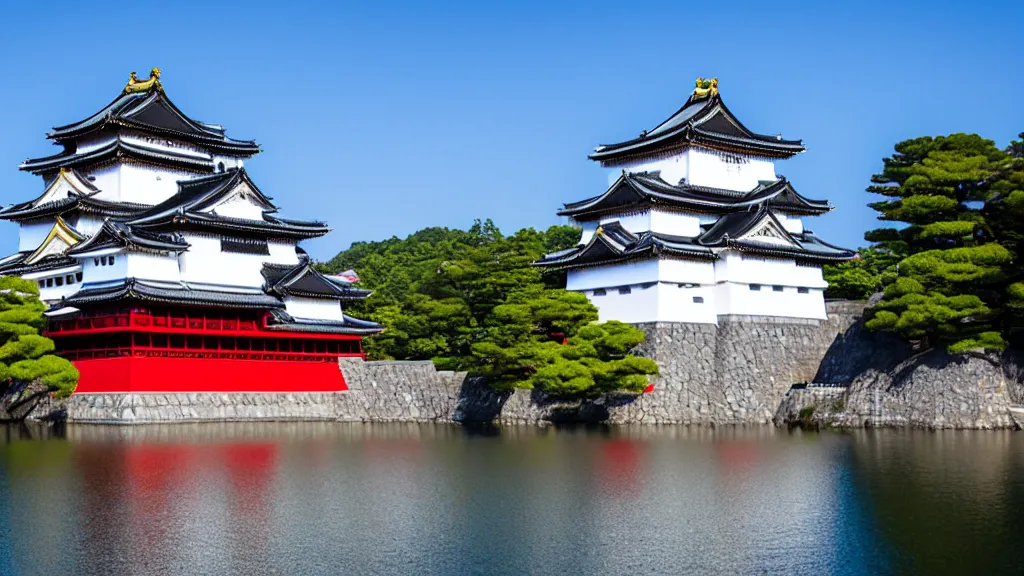 Matsumoto
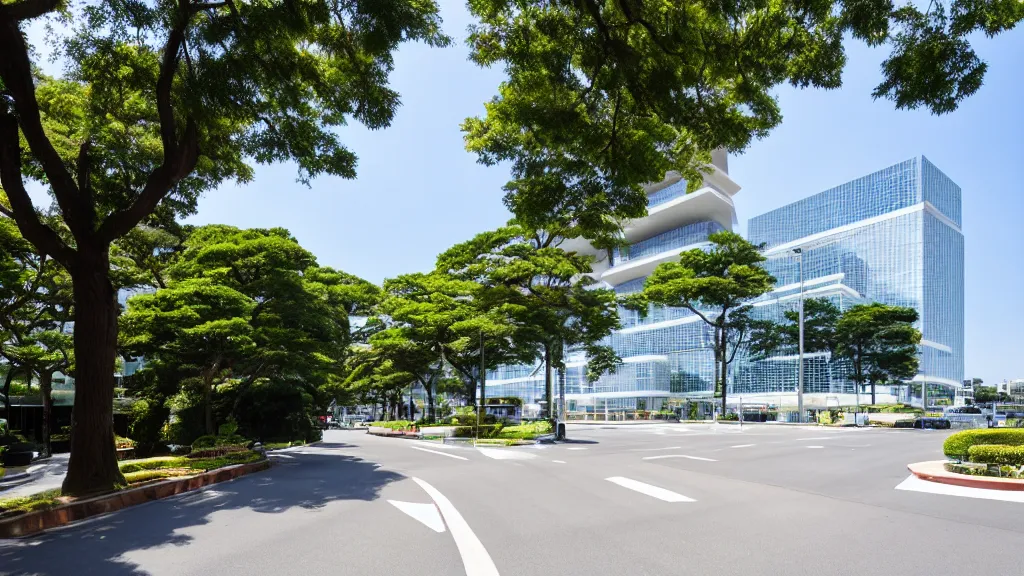 Ota
OtaTravel & attractions
Matsumoto
Ota
Real estate & living comparison
| Matsumoto | Ota | |
|---|---|---|
| International Primary School, Annual Tuition per Child | 5100.96 USD | 16525.57 USD |
| Private Full-Day Preschool or Kindergarten, Monthly Fee per Child | 652.46 USD | 1109.52 USD |
| Jeans (Levi's 501 or Similar) | 56.45 USD | 50.48 USD |
| Men's Leather Business Shoes | 93.28 USD | 81.46 USD |
| Apples (1 kg) | 5.09 USD | 5.11 USD |
| Bananas (1 kg) | 2.33 USD | 2.44 USD |
| Bottled Water (0.33 Liter) | 0.64 USD | 0.64 USD |
| Cappuccino (Regular Size) | 1.14 USD | 2.86 USD |
| Annual Mortgage Interest Rate (20-Year Fixed, in %) | 2.07 USD | 1.7 USD |
| GDP Growth Rate: | 1.68 USD | 1.68 USD |
| Cinema Ticket (International Release) | 12.4 USD | 12.72 USD |
| Tokyo | 220.24 | 99.06 |
| Gasoline (1 Liter) | 1.11 USD | 1.12 USD |
| Taxi 1 km (Standard Tariff) | 4.45 USD | 3.18 USD |
| Basic Utilities for 85 m2 Apartment (Electricity, Heating, Cooling, Water, Garbage) | 102.76 USD | 157.7 USD |
| Broadband Internet (Unlimited Data, 60 Mbps or Higher) | 31.01 USD | 29.85 USD |
| Population | 239,115 | 224,358 |
Last updated: 2026-04-05T11:49:14+00:00
More city comparisons
From Japan
- Miyakonojo vs Kuwait City
- Odawara vs Xinyang
- Morioka vs Surigao
- Fukushima vs Richmond Hill
- Mpanda vs Miyakonojo
- Matsudo vs Lafayette
- Oxford vs Zama
- Berlin vs Osaka
- Utsunomiya vs Casablanca
- Tokyo vs Ghazni
- Austin vs Ome
- Sonipat vs Kitakyushu
- Tokyo vs Xi'an
- Vancouver vs Tokyo
- Ota vs Namur
- Tokyo vs Cali
- Johnson City vs Higashi-osaka
- Magdeburg vs Chiba
- Ferizaj vs Oita
- Narita vs Moron
Comments for this comparison