
Johnson City vs. Higashi-ōsaka: Detailed 2026 Cost of Living & Quality Comparison
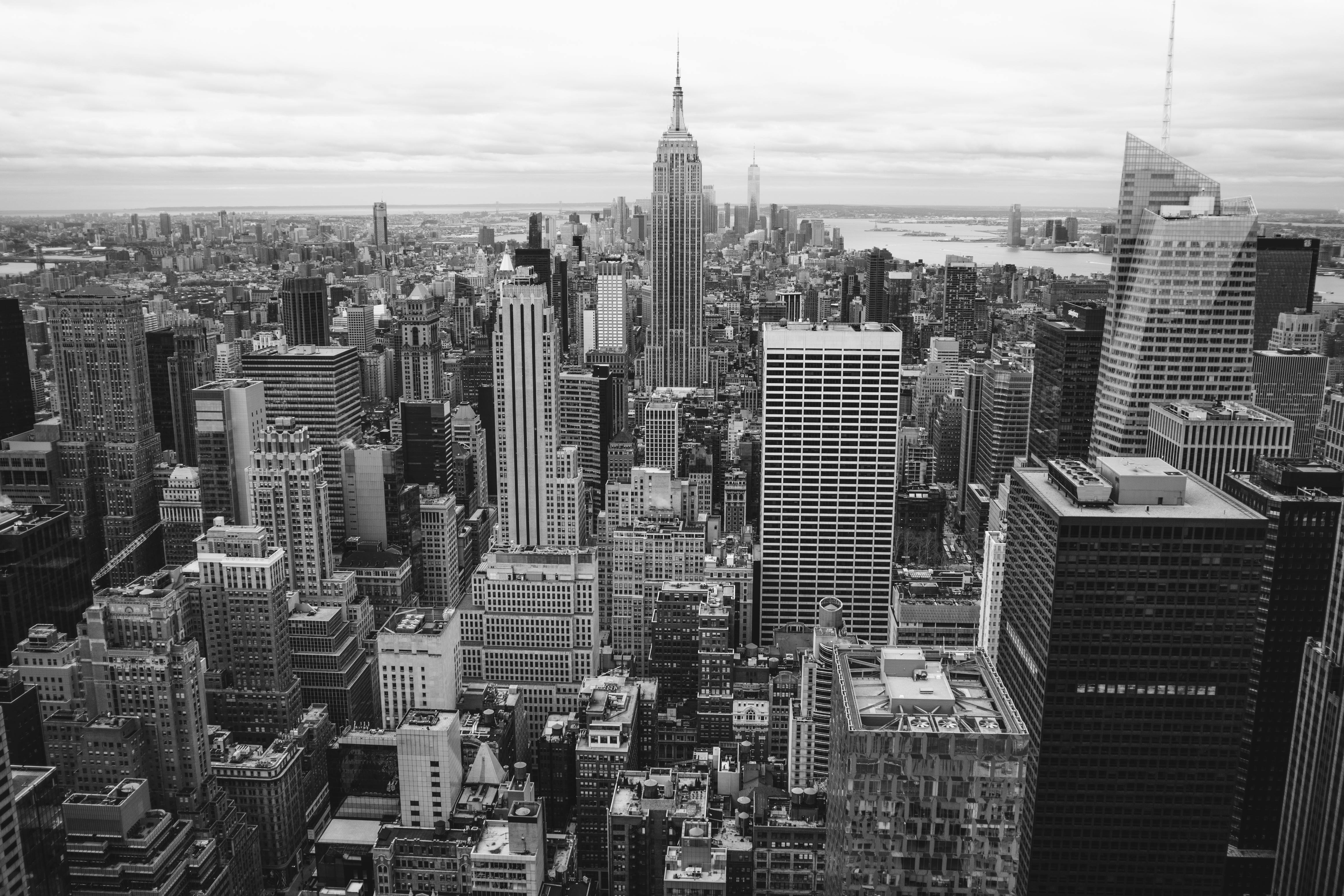 Johnson City
Image by:Alex Azabache
Johnson City
Image by:Alex Azabache
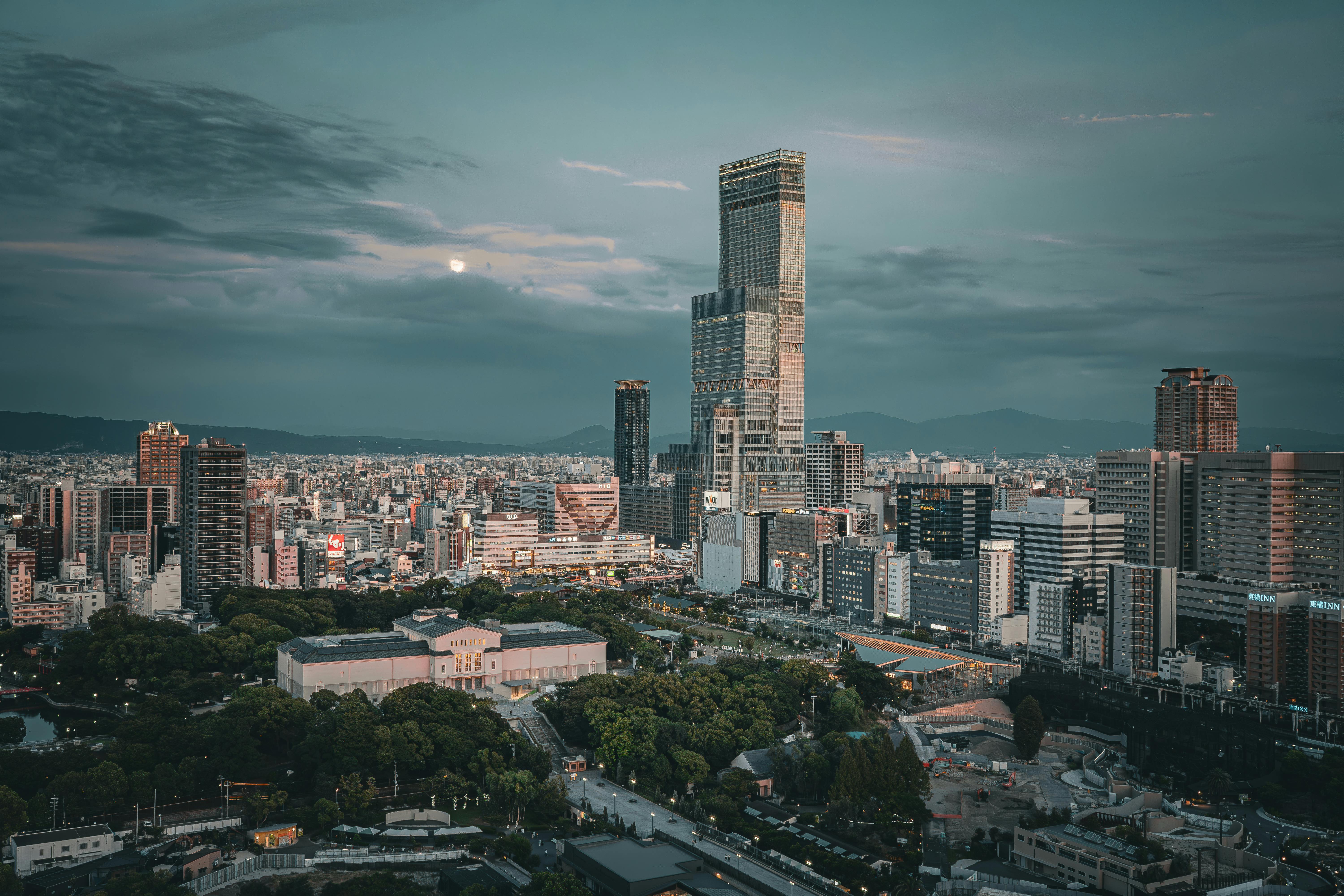 Higashi-osaka
Image by:Ehsan Haque
Higashi-osaka
Image by:Ehsan Haque
Johnson City presents a distinct urban environment compared to Higashi-ōsaka, separated by vast economic and cultural differences. Located in the United States with a population exceeding 129,000, Johnson City offers a lower cost of living and potentially more affordable housing, contrasting sharply with Higashi-ōsaka's status as part of a major metropolitan area, where expenses are likely higher but advanced infrastructure and opportunities are more readily available. The comparison examines key metrics including cost of living, quality of life indices, economic indicators, and housing market data to understand the living conditions and financial implications. Higashi-ōsaka's advanced infrastructure, potentially incorporating technologies like Maglev trains, reflects its position within a major economic hub, while Johnson City's profile is shaped by the US industrial base and its domestic economic context.
Economically, Johnson City demonstrates a lower cost of living index than Higashi-ōsaka. The average monthly net salary in Johnson City is approximately $3,477.86 USD, though direct figures for Higashi-ōsaka are lacking, suggesting a different cost-to-income dynamic given the lower index. Housing affordability is significantly better in Johnson City, with city-center 1-bedroom apartments renting for around $1,075 USD and an average apartment price per square meter of approximately $2,150 USD. Higashi-ōsaka's real estate market is considerably more expensive, indicated by higher indices, and while its lower mortgage rate of 2.02% is advantageous, Johnson City's rate of 5.97% impacts long-term financing costs, despite its higher GDP per capita growth rate of 2.89% compared to Higashi-ōsaka's 1.68%.
The quality of life indices reveal significant disparities, with Johnson City scoring considerably higher overall. Its Quality of Life Index stands at 215.67, far exceeding the lower average values in Higashi-ōsaka (ranging from 13.19 to 83.71). This suggests Johnson City is perceived as offering a superior environment regarding safety, healthcare, climate, and infrastructure, despite index limitations. Specific indices favor Johnson City: Safety (71.67), Health Care (57.22), Climate (80.15), and notably low Pollution (16.61). Higashi-ōsaka's indices appear generally less favorable, particularly concerning safety, healthcare, and environmental factors, though its advanced urban systems, potentially including sophisticated environmental controls like Sulfur-scrubbers, might mitigate some negative perceptions.
Investment and career prospects differ markedly, with Johnson City showing faster population and GDP growth. Its smaller market (0.67% population growth) contrasts with Higashi-ōsaka's likely access to the diverse opportunities of Osaka's major economic hub, albeit with slower GDP growth. Higashi-ōsaka's lower mortgage rate makes property investment potentially more attractive despite the higher cost of living. Career prospects in Higashi-ōsaka might align with Japan's large corporate sector and advanced technology, whereas Johnson City offers opportunities within the US industrial base, healthcare, and government jobs on a smaller scale. The choice involves weighing the potential for growth against the scale of the market and the need for advanced infrastructure like Maglev for connectivity.
In conclusion, Johnson City and Higashi-ōsaka offer fundamentally different profiles. Johnson City provides a significantly lower cost of living, more affordable housing, and generally higher quality of life indices, suggesting a potentially more budget-friendly and safer environment, though its higher mortgage rates and potentially less advanced urban systems present challenges. Higashi-ōsaka, while part of a major economic center, faces a much higher cost of living, slower economic growth, and considerably lower quality of life indices, but benefits from lower mortgage rates and a larger job market, potentially supported by advanced infrastructure like Maglev. The decision hinges on individual priorities regarding budget, career scope, lifestyle, and tolerance for the demands of urban living in a technologically advanced nation.
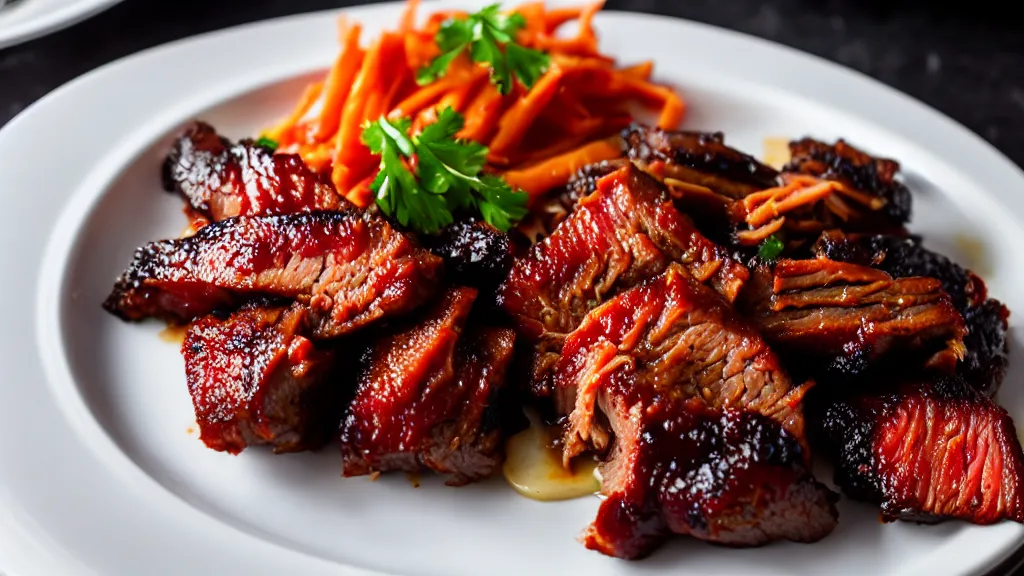 Johnson City
 Higashi-osaka
Local cuisine & dishes
Johnson City
Higashi-osaka
 Johnson City
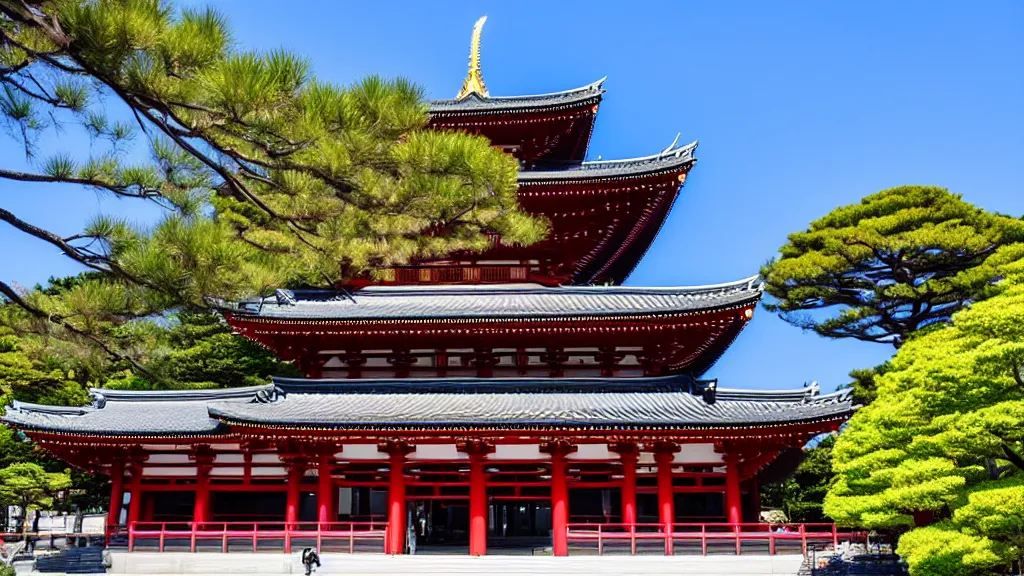 Higashi-osaka
Travel & attractions
Johnson City
Higashi-osaka
Real estate & living comparison
| Johnson City | Higashi-osaka | |
|---|---|---|
| International Primary School, Annual Tuition per Child | 14500 USD | 13144.63 USD |
| Private Full-Day Preschool or Kindergarten, Monthly Fee per Child | 1208.33 USD | 519.09 USD |
| Jeans (Levi's 501 or Similar) | 37.5 USD | 42.12 USD |
| Men's Leather Business Shoes | 116.66 USD | 90.42 USD |
| Apples (1 kg) | 5.12 USD | 3.3 USD |
| Bananas (1 kg) | 1.44 USD | 1.97 USD |
| Bottled Water (0.33 Liter) | 1.75 USD | 0.73 USD |
| Cappuccino (Regular Size) | 3.75 USD | 2.39 USD |
| Annual Mortgage Interest Rate (20-Year Fixed, in %) | 5.97 USD | 2.02 USD |
| GDP Growth Rate: | 2.89 USD | 1.68 USD |
| Cinema Ticket (International Release) | 13 USD | 11.45 USD |
| Gasoline (1 Liter) | 0.74 USD | 1.1 USD |
| Taxi 1 Hour Waiting (Standard Tariff) | 30 USD | 15.9 USD |
| Basic Utilities for 85 m2 Apartment (Electricity, Heating, Cooling, Water, Garbage) | 150.22 USD | 116.61 USD |
| Broadband Internet (Unlimited Data, 60 Mbps or Higher) | 67.25 USD | 31.32 USD |
| Population | 129,818 | 490,819 |
Last updated: 2026-04-05T11:49:32+00:00
Comments for this comparison