Jakarta vs. Fuyang: Detailed 2026 Cost of Living & Quality Comparison
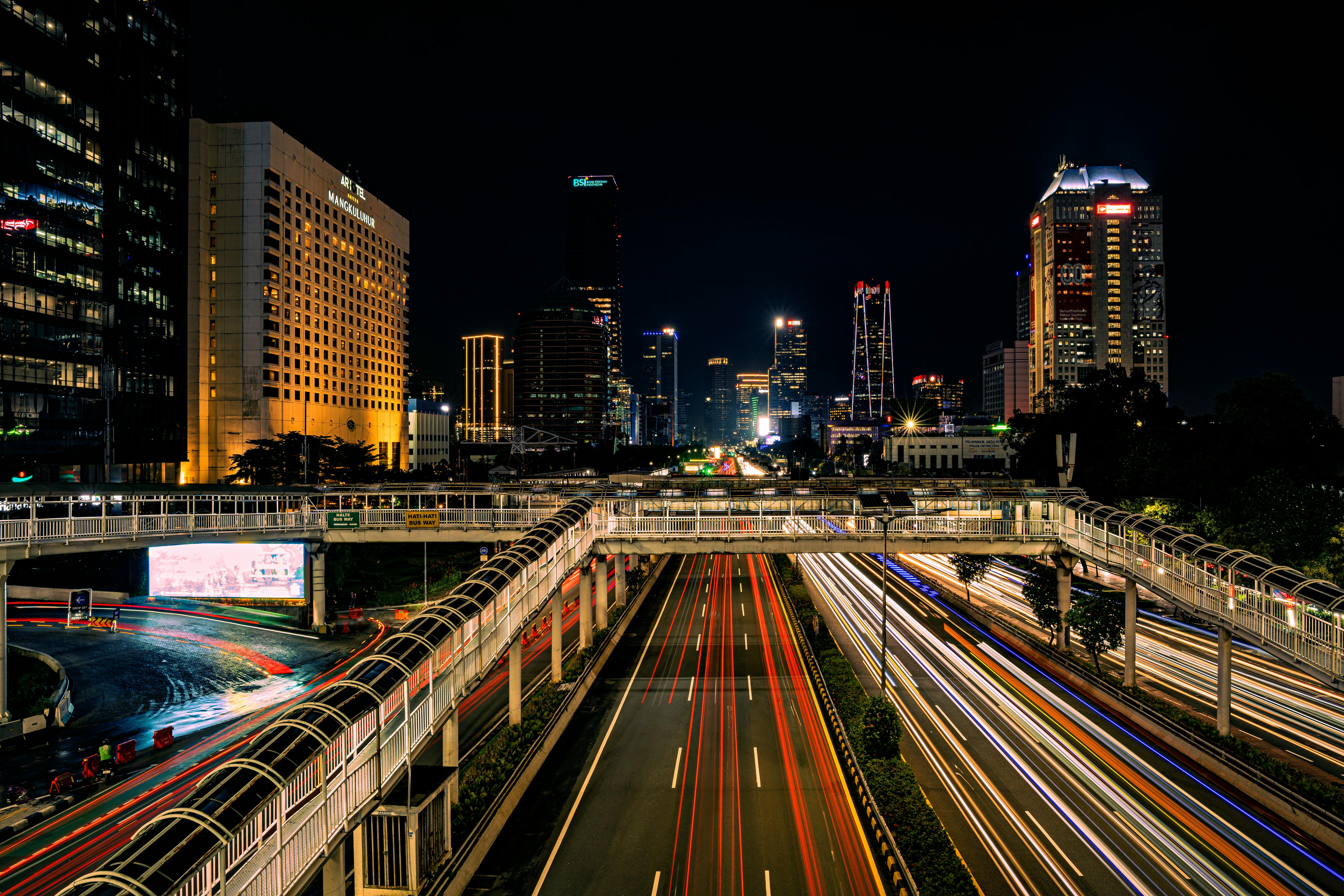
JakartaImage by:ds rexy
Overview
h2
Jakarta, the sprawling capital of Indonesia, presents a complex urban landscape characterized by immense population density, significant economic activity, and notable challenges in quality of life metrics. With a population exceeding 33 million, it exerts a dominant influence on the national economy but faces substantial pressures related to infrastructure, pollution, and commuting times. In contrast, Fuyang, a major city in China, offers a different scale and context, though the available data provides a less granular picture of its specific conditions compared to Jakarta. While Jakarta's data allows for a detailed analysis across multiple dimensions, Fuyang's dataset is more limited, primarily focusing on cost indices for certain sub-regions or prefectures without baseline comparisons or comprehensive quality-of-life metrics. This disparity in data completeness makes a direct, apples-to-apples comparison challenging, particularly regarding quality of life and economic factors beyond simple cost indices.
Economic and Housing Comparison
h2
Jakarta's economic profile, reflected in its GDP per capita of $13,900 and a GDP growth rate of 5.05%, indicates a significant contribution to Indonesia's overall economy. However, the city's high cost of living is starkly evident, particularly concerning housing. The average net monthly salary after tax stands at $485.81, which, when combined with an annual mortgage interest rate of 9.8%, suggests a challenging affordability situation for many residents, especially for purchasing property within the city center. Jakarta's property market shows high prices, with apartment prices in the city center reaching $2,696 per square meter, significantly impacting the property price-to-income ratio. Fuyang's data, while lacking direct comparable metrics like GDP per capita or average salaries, provides cost indices for various Chinese prefectures (e.g., Zhengzhou index 368.82, Kaifeng index 304.5). These indices, representing cost-of-living levels relative to some base, are considerably higher than Jakarta's reported cost-of-living index of 29.61 (overall) or specific Jakarta sub-region indices (e.g., Cimahi 164.98, Bandung 174.05). Without knowing the base value or having comparable Jakarta data points, the absolute meaning is unclear, but the higher indices suggest potentially higher costs for goods, services, and potentially housing in these specific Fuyang prefectures compared to the overall Jakarta average or certain Jakarta sub-regions.
Quality of Life Comparison
h2
Jakarta's quality of life is marked by a Quality of Life Index of 79.42, which, while above some Jakarta sub-regions like Bekasi (25.12) and Tangerang (26.78), still indicates significant room for improvement compared to global averages. Key factors influencing this index negatively include a high Pollution Index (84.64), a lengthy average Traffic Commute Time Index (53.54), and a relatively low Safety Index (47.26). The healthcare system, reflected in a Healthcare Index of 57.25, and the climate, indicated by a Climate Index of 63.76, also present challenges. Jakarta sub-regions show a wide variation in quality-of-life scores, from Depok's 33.53 to Cilegon's 97.45 and Purwakarta's 100.86, suggesting that location within the broader Jakarta metropolitan area significantly impacts the lived experience. Fuyang's quality-of-life data, provided only for specific prefectures like Bozhou (126.69), Zhumadian (210.34), and Zhengzhou (368.82), presents a different picture entirely. These values are considerably higher than Jakarta's overall index and most sub-regions, but the lack of context (e.g., is 126.69 a good or bad score?) and the absence of baseline indices for Fuyang itself make direct comparison impossible. The data does not provide Purchasing Power Index, Safety Index, Healthcare Index, or Pollution Index for Fuyang or its prefectures, limiting the ability to assess the true nature of quality of life in these areas relative to Jakarta.
Investment and Career Comparison
h2
Jakarta offers a dynamic market for investment and career opportunities, driven by its status as the Indonesian capital and a major economic hub. The city's GDP contribution and population size suggest a vibrant job market across various sectors. However, the data does not provide specific unemployment rates or detailed breakdowns of employment sectors. The high cost of living, particularly housing, combined with the economic data, implies potential pressure on disposable income and savings for residents. Fuyang's data presents a different scenario, primarily through high cost-of-living indices for its prefectures. The elevated indices (e.g., Zhengzhou 368.82, Wuhu 353.42) suggest that while potentially offering career opportunities within China's economic landscape, the associated cost of living could be substantial. Property prices in Fuyang's prefectures, as indicated by the provided indices (e.g., Zhengzhou 368.82, Kaifeng 304.5), are also implied to be high relative to the base value. Without data on salaries, economic growth rates, or unemployment figures for Fuyang and its sub-regions, a detailed analysis of career prospects and investment returns is not feasible based on the given information.
Conclusion
h2
Jakarta, despite its large population and economic significance, faces considerable hurdles related to quality of life, infrastructure, and the high cost of living, particularly housing, relative to its economic output. The data provides a reasonably comprehensive picture of its challenges and opportunities, allowing for a structured analysis. Fuyang, while showing signs of economic activity and development in its major prefectures, presents a more enigmatic picture due to the limited and contextually ambiguous nature of its data. The high cost-of-living indices for specific Fuyang prefectures are notable, but without baseline comparisons or other quality-of-life and economic metrics, a meaningful assessment of its overall livability or investment potential is difficult. The stark difference in data completeness between the two cities underscores the limitations of the provided information for drawing definitive conclusions about Fuyang's quality of life and economic environment relative to Jakarta.
Real estate & living comparison
Jakarta
Fuyang
Population
33,756,000
7,599,913
Comments for this comparison
We use cookies for essential site functions, traffic analysis and personalised content. By closing this bar, you consent to our use of cookies. See our Cookie Policy. Accept






 Jakarta
Image by:ds rexy
Jakarta
Image by:ds rexy
Comments for this comparison