
Kefar Sava vs. Kaithal: Detailed 2026 Cost of Living & Quality Comparison
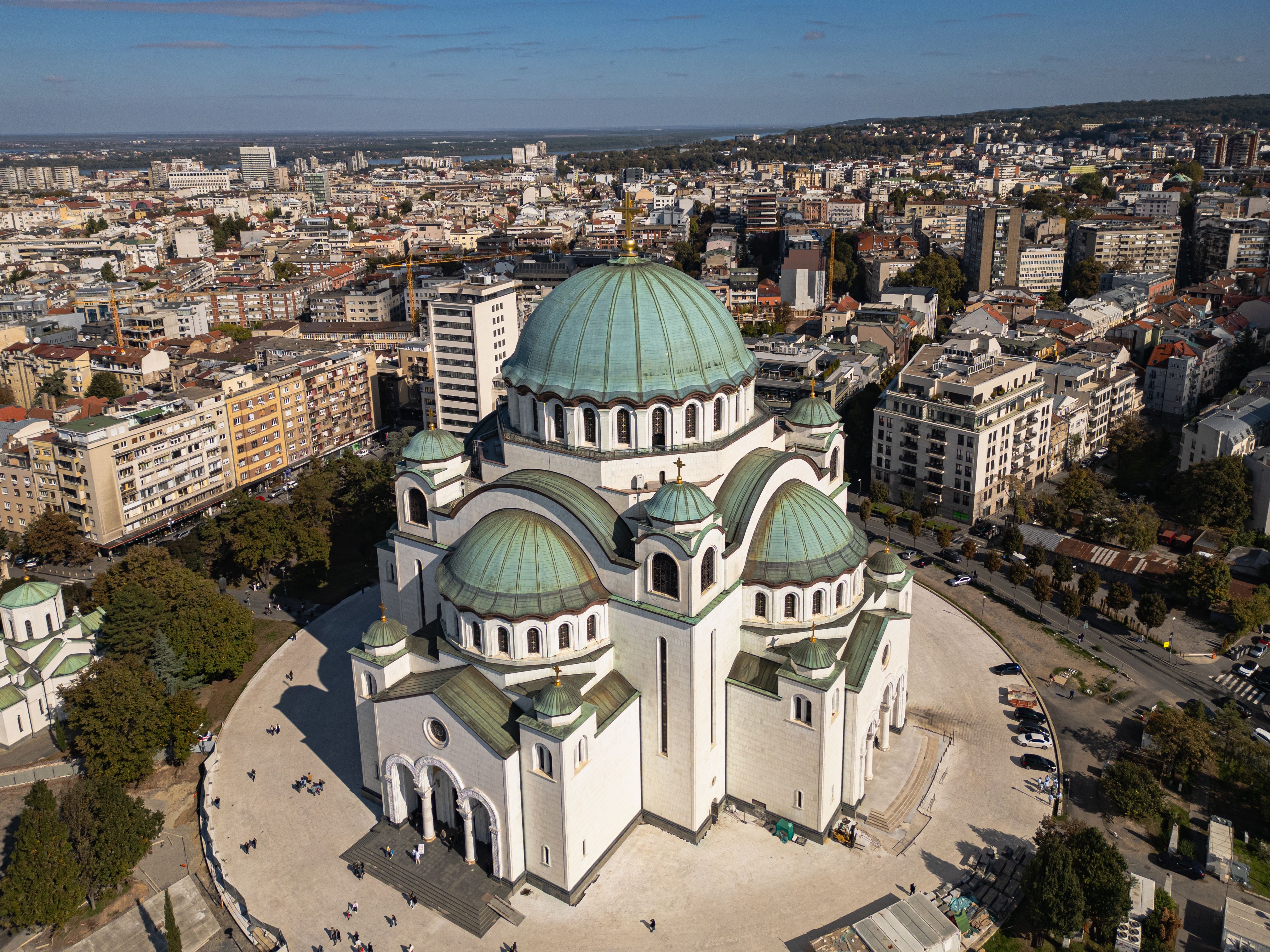 Kefar Sava
Image by:Micko Damnjanovski
Kefar Sava
Image by:Micko Damnjanovski
 Kaithal
Image by:Anoop VS
Kaithal
Image by:Anoop VS
Kefar Sava and Kaithal represent fundamentally different economic realities in 2026. Kefar Sava operates within Israel's high-income economy, boasting a GDP per capita nearly five times higher than Kaithal's Indian context ($48,400 versus $9,200). This disparity is reflected sharply in housing costs, where even a modest 1-bedroom apartment outside Kefar Sava's center rents for nearly $1,000 a month, a figure unimaginable in Kaithal given its lower base economy. While Kefar Sava's GDP growth is modest, Kaithal's higher rate hints at future potential, but the current data underscores a vast chasm in baseline costs and income levels.
The gap between these cities extends into the quality of life realm, particularly concerning healthcare and safety. Kefar Sava demonstrates superior metrics, with a high Health Care Index (88.89) and a respectable Safety Index (79.37), alongside a favorable Climate Index (93.46). These advantages are starkly contrasted by the lack of comparable data for Kaithal. While the absence of specific figures prevents direct comparison, the general context of a developing nation suggests that access to healthcare and safety levels in Kaithal likely fall significantly below the standards observed in Kefar Sava.
Affordability and investment potential are intrinsically linked to these economic and quality differences. Kefar Sava offers a developed financial system and potentially lucrative career paths, albeit with a high cost of living that directly impacts the purchasing power of its average net salary ($4,853). Kaithal presents lower absolute costs, potentially attractive for investment due to lower entry points, but faces challenges related to economic stability, career advancement opportunities, and the quality of life factors like healthcare and safety, which are comparatively lacking.
The data unequivocally shows Kefar Sava's superior quality metrics, despite its high cost structure. Its high property price to income ratio (8.43) signals significant financial pressure for housing, yet its healthcare, safety, and climate scores remain notably higher than what would be expected in a city of Kaithal's economic standing. Conversely, Kaithal's position within India means its quality of life benchmarks, particularly healthcare access and safety, are likely considerably lower than those in Kefar Sava, even if specific data is unavailable for direct comparison.
Ultimately, the choice between Kefar Sava and Kaithal hinges on critical trade-offs. Kefar Sava delivers a high standard of living with advanced infrastructure and services, but demands substantial financial resources, especially for housing. Kaithal offers significantly lower costs but operates within a developing framework, presenting potential challenges regarding infrastructure, healthcare quality, and career prospects. The decision reflects a fundamental divergence between a developed, expensive environment and a developing, more affordable one, heavily influenced by vastly different economic realities and quality benchmarks.
 Kefar Sava
 Kaithal
Local cuisine & dishes
Kefar Sava
Kaithal
 Kefar Sava
 Kaithal
Travel & attractions
Kefar Sava
Kaithal
Real estate & living comparison
| Kefar Sava | Kaithal | |
|---|---|---|
| Eggs (12, Large Size) | 4.27 USD | 0.91 USD |
| Milk (Regular, 1 Liter) | 1.95 USD | 0.71 USD |
| GDP Growth Rate: | 2.42 USD | 8.15 USD |
| GDP Per Capita ($) : | 48400 USD | 9200 USD |
| Population | 100,800 | 144,915 |
Last updated: 2026-04-05T11:55:04+00:00
Comments for this comparison