Overview
Health Care Index20.4 / 63 Kinshasa Miami
h2
Kinshasa, the capital of the Democratic Republic of the Congo, stands in stark contrast to Miami, a major metropolitan area in the United States. Kinshasa boasts a significantly larger population, estimated at over 9 million, compared to Miami's approximately 4.5 million residents. This difference is mirrored in the cost of living; Kinshasa presents substantially lower expenses for housing, transportation, groceries, and general goods. However, Kinshasa's economic structure differs markedly from Miami's advanced, diversified economy. While Kinshasa offers a lower cost of living, it also faces challenges in infrastructure, economic stability, and quality of life metrics compared to the more developed and expensive Miami.
Economic & Housing Comparison
Pollution Index81.9 / 39.5 Property Price to Income Ratio42.1 / 6.5 Kinshasa Miami
h2
The economic landscape between Kinshasa and Miami is vastly different. Kinshasa's GDP per capita is significantly lower ($7,460 vs. $74,600), reflecting a less developed economy. The average monthly net salary after taxes in Kinshasa is considerably lower ($418 USD vs. $1,076 USD). This lower income, combined with the city's large population, results in a much lower cost of living overall. Housing costs, while higher per square meter in the city center ($7,023 USD/m² vs. $5,620 USD/m²), are still significantly more affordable than in Miami when adjusted for income and population scale. Furthermore, Kinshasa's annual mortgage interest rate is substantially higher (6.54% vs. 0.67%), making borrowing more expensive if needed. Miami, despite its high cost of living, offers a more stable and prosperous economic environment with higher salaries and lower mortgage rates, but the associated expenses are significantly greater.
Quality of Life Comparison
Traffic Commute Time Index75 / 42.9 Kinshasa Miami
h2
Assessing quality of life reveals significant disparities. Safety is a major concern in Kinshasa, reflected in its likely higher crime rates compared to the generally safer urban environment of Miami. Healthcare access and quality are likely more limited in Kinshasa, impacting health outcomes. While Kinshasa has a tropical climate, Miami's is also tropical but potentially offers more consistent weather patterns favored by many. Environmental quality, particularly concerning pollution, is likely a greater challenge in Kinshasa due to less stringent regulations and industrial development pressures. Infrastructure, including transportation networks, utilities (like reliable electricity and water), and public services, is generally underdeveloped in Kinshasa relative to the more robust systems in Miami. Miami scores higher across measurable quality of life indicators like safety, healthcare access, infrastructure, and environmental regulations, although these come at a higher financial cost.
Investment & Career Comparison
h2
Miami presents a much stronger case for investment and career opportunities. Its advanced economy offers diverse job markets, higher average salaries, and greater prospects for professional advancement compared to Kinshasa's developing economy. The city's economic growth rate, while modest (2.89%), still indicates a functioning and expanding market. Property values in Miami are significantly higher, reflecting the city's status as a desirable place to live and invest. However, this comes with substantial financial implications for residents. Miami's lower mortgage interest rate (0.67%) makes homeownership more feasible for those with stable, high incomes. Kinshasa offers potential for growth in certain sectors but carries higher risks associated with economic instability and less developed infrastructure, making it a less attractive proposition for secure long-term investment and career development compared to the opportunities available in Miami, albeit with a much higher cost of living.
Final Verdict
h2
Kinshasa and Miami represent two entirely different urban environments. Kinshasa offers a significantly lower cost of living, potentially attractive for budget-conscious individuals or those seeking opportunities in a developing market, but it faces substantial challenges regarding economic stability, safety, healthcare, and infrastructure. Miami, conversely, boasts a high quality of life, robust infrastructure, diverse economic opportunities, and higher salaries, but these advantages are offset by a very high cost of living, particularly for housing and transportation. The choice between the two cities depends heavily on individual priorities: budget constraints and tolerance for risk versus the pursuit of economic security, career advancement, and a higher standard of living, despite the significant financial burden.






 Kinshasa
Image by:Rak Man
Kinshasa
Image by:Rak Man
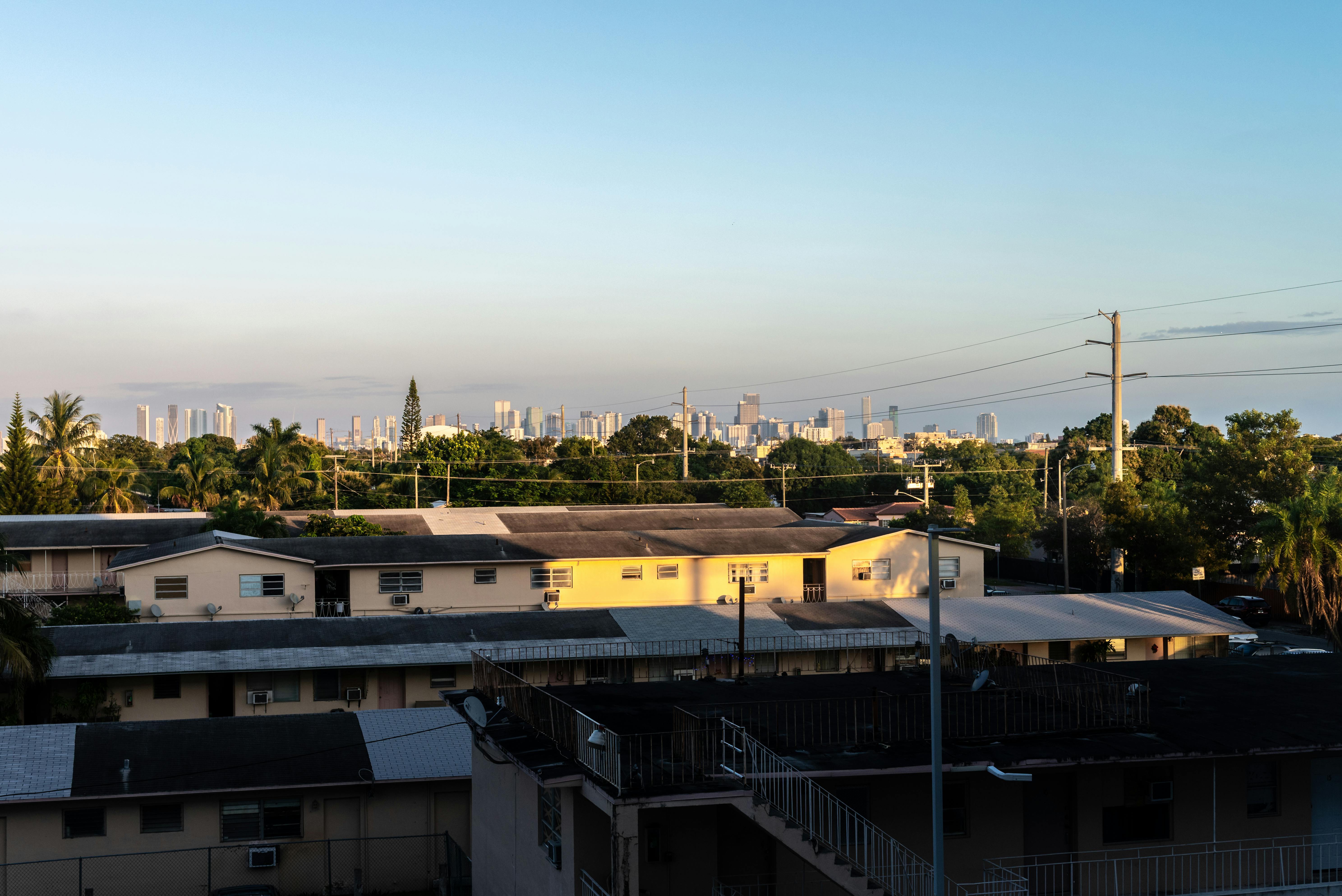 Miami
Image by:Dominik Gryzbon
Miami
Image by:Dominik Gryzbon
Comments for this comparison