
La Paz vs. Herat: Detailed 2026 Cost of Living & Quality Comparison
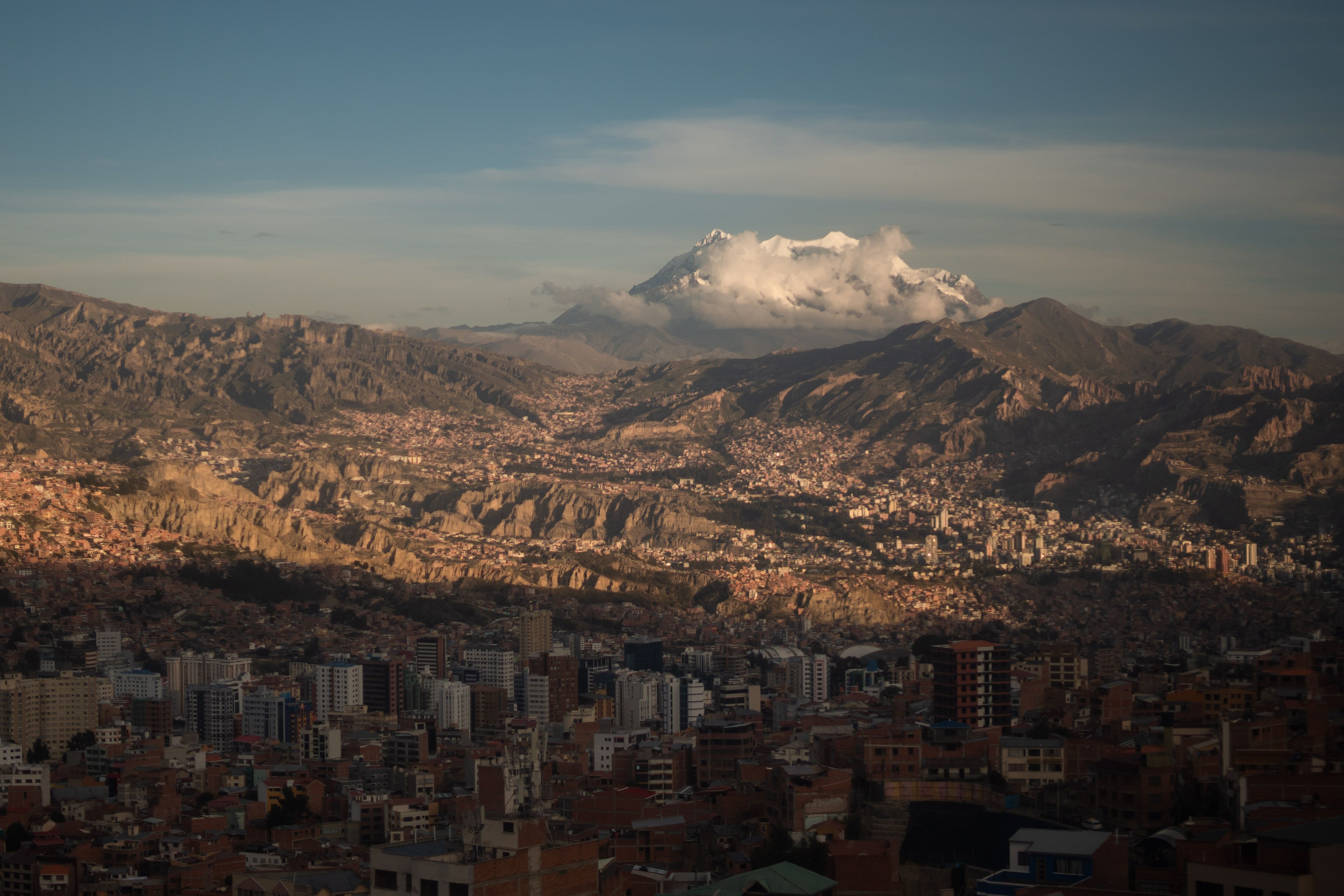 La Paz
Image by:Shiwa Yachachin
La Paz
Image by:Shiwa Yachachin
 Herat
Image by:Morteza Rezaiy
Herat
Image by:Morteza Rezaiy
La Paz and Herat present fundamentally different investment and living propositions in 2026. La Paz, a high-altitude city with a population over 321,000, boasts a significantly higher GDP per capita ($9800) compared to Herat's $2000. This economic disparity translates directly into living costs and quality of life. While La Paz offers relatively lower expenses for certain goods and services against global benchmarks, its quality of life metrics, particularly concerning safety and healthcare, are considerably below average. Conversely, Herat presents drastically lower costs for essentials like housing and transportation, but operates within a vastly less stable economic and security context, making the trade-off potentially untenable for many.
The economic gap is starkly reflected in housing and salaries. La Paz offers a higher average net monthly salary ($431.63) than Herat ($190.48). However, the path to homeownership in Herat is prohibitively expensive and risky, with mortgage interest rates climbing to 20.0% – nearly double La Paz's 8.12%. While La Paz's city-center 1-bedroom apartments rent for around $369 per month and fall within a range where prices per square meter are higher than some global cities, Herat's market is substantially cheaper, with a city-center 1-bedroom apartment renting for just $79 per month. This lower cost in Herat comes despite a much lower purchasing power index (47.6) compared to La Paz (47.6), indicating that the lower prices often mean lower quality goods and services.
Quality of life analysis reveals significant challenges in both cities, but for different reasons. La Paz scores relatively well overall (87.21), yet its safety index (40.35) is a major concern, suggesting significant security issues. Healthcare access and quality (46.23) also present difficulties, while environmental factors are mixed, with moderate climate but high pollution levels. Commuting takes about 30 minutes daily. Herat's quality of life is considerably worse. Its safety situation is likely extremely precarious, and while healthcare (46.23) and climate (55.46) indices are similar to La Paz's on paper, the overall index reflects a harsher reality marked by high pollution and long commute times. Although La Paz's healthcare indices appear better numerically, the practical challenges in accessing adequate care in both locations are substantial.
From an investment and career standpoint, La Paz offers a more stable environment, albeit with modest economic growth (3.08%) and lower potential returns than some global hubs. Career opportunities exist, particularly in mining, manufacturing, and services, supported by its higher GDP per capita. The relatively lower cost of living compared to developed nations can be advantageous for expatriates. Herat, however, presents a high-risk scenario. Its fragile economy, indicated by the extremely high mortgage rate (20.0%) and low GDP per capita ($2000), despite slightly higher growth (2.71%), makes it an unstable base. Career prospects are limited and insecure, with low salaries ($190.48 net monthly) making saving difficult, and the overall investment climate is considered very high risk.
Ultimately, La Paz offers a unique high-altitude living experience with relatively lower costs for certain goods compared to global standards, a higher GDP per capita, and a more stable economic outlook than Herat. However, it faces significant hurdles regarding safety, healthcare access, and environmental pollution. Herat provides a much lower-cost option for living but exists within a highly unstable and dangerous economic and political context, making it a very high-risk proposition for most individuals and businesses. The choice hinges entirely on individual priorities and risk tolerance, weighing the unique aspects of La Paz against the severe challenges and instability of Herat.
 La Paz
 Herat
HeratLocal cuisine & dishes
La Paz
Herat
 La Paz
 Herat
HeratTravel & attractions
La Paz
Herat
Real estate & living comparison
| La Paz | Herat | |
|---|---|---|
| Private Full-Day Preschool or Kindergarten, Monthly Fee per Child | 159.33 USD | 15.87 USD |
| Jeans (Levi's 501 or Similar) | 27.52 USD | 23.81 USD |
| Men's Leather Business Shoes | 60.83 USD | 39.68 USD |
| Apples (1 kg) | 2.51 USD | 0.79 USD |
| Bananas (1 kg) | 0.8 USD | 0.79 USD |
| 1 Bedroom Apartment in City Centre | 367.26 USD | 79.37 USD |
| 1 Bedroom Apartment Outside of City Centre | 257.73 USD | 47.62 USD |
| Bottled Water (0.33 Liter) | 0.81 USD | 0.16 USD |
| Cappuccino (Regular Size) | 2.88 USD | 0.79 USD |
| Annual Mortgage Interest Rate (20-Year Fixed, in %) | 8.12 USD | 20 USD |
| Average Monthly Net Salary (After Tax) | 428.97 USD | 190.48 USD |
| Monthly Fitness Club Membership | 25.35 USD | 15.87 USD |
| Gasoline (1 Liter) | 0.58 USD | 1.11 USD |
| One-Way Ticket (Local Transport) | 0.32 USD | 0.32 USD |
| Basic Utilities for 85 m2 Apartment (Electricity, Heating, Cooling, Water, Garbage) | 35.49 USD | 206.35 USD |
| Broadband Internet (Unlimited Data, 60 Mbps or Higher) | 32.59 USD | 158.73 USD |
| Population | 321,073 | 556,205 |
Last updated: 2026-04-05T15:32:15+00:00
Comments for this comparison