





London vs. Yongzhou: Detailed 2026 Cost of Living & Quality Comparison
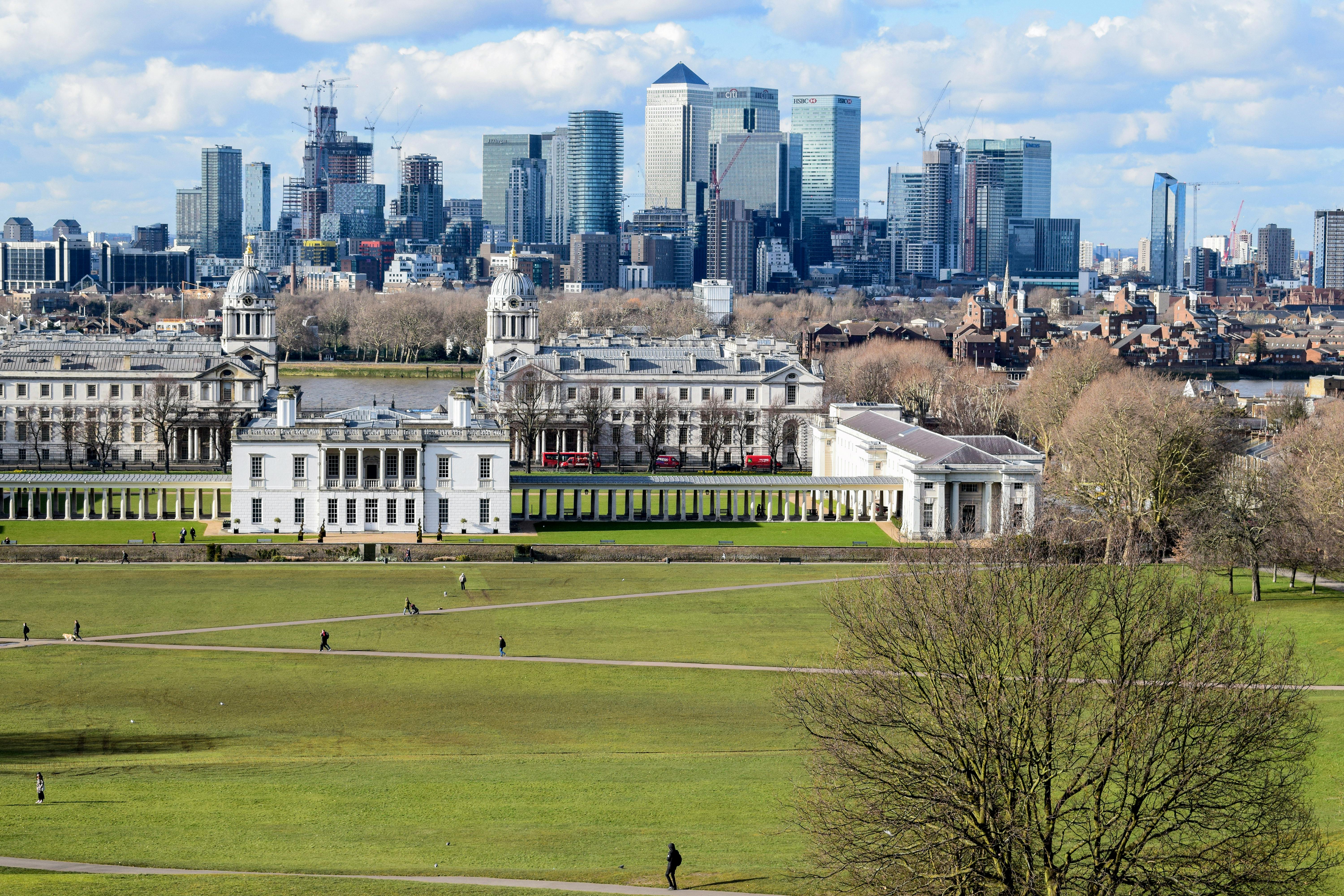 London
Image by:ALENA MARUK
London
Image by:ALENA MARUK
London, the capital of the United Kingdom, boasts a significantly larger population of approximately 11.3 million people, reflecting its status as a major global financial and cultural hub. It also exhibits a higher GDP per capita of $54,500 USD. Yongzhou, located in China, has a substantially smaller population of around 5.3 million and a lower GDP per capita. The data indicates London generally has a higher cost of living, particularly concerning property, healthcare, and transportation, while Yongzhou appears more affordable in day-to-day expenses like food, utilities, and transportation costs. London's quality of life indices, while showing strengths in healthcare and climate, are offset by challenges in safety, pollution, and high property costs. Yongzhou's data provides a clearer picture of its lower cost structure but lacks the comprehensive quality of life indices available for London.
London's economic landscape is characterized by a high average monthly net salary of $4,992.68 USD and a relatively low annual mortgage interest rate of 4.68%. The city's population growth rate is projected at 0.45%. In contrast, Yongzhou's data offers limited direct economic indicators beyond the mortgage rate (3.46%) and no salary figures, making a direct economic comparison challenging based solely on the provided data. London's property market is exorbitant, with property prices in central areas being particularly high, reflected in the high property price-to-income ratio and the cost of buying or renting apartments, even outside central locations. Yongzhou presents significantly lower real estate costs, with much lower prices for apartments, both for buying and renting, suggesting a more accessible housing market compared to London.
Assessing quality of life, London scores highly in healthcare (index 69.58) and climate (index 88.25) but faces significant drawbacks in safety (index 44.57), pollution (index 57.78), and commute times (index 44.65). Specific quality of life scores for different London boroughs vary considerably, from Westminster's very low score to Slough's higher score. Yongzhou's data provides more concrete insights into daily living aspects, revealing lower costs for food, groceries, transportation, utilities, childcare, and leisure activities. While specific quality indices for Yongzhou are not provided, its lower cost structure and potentially less congested environment compared to London might contribute to a different perception of quality of life, particularly regarding affordability and environmental factors.
London offers superior career potential with its high GDP per capita and established global industries, although salaries, while substantial, are matched by extremely high living costs. Yongzhou's economic data is less detailed, but its lower cost of living suggests that the purchasing power of a given salary could be significantly higher than in London. London's property market remains exceptionally strong, attracting high demand, while Yongzhou's property prices appear considerably more moderate. For investment, London represents a high-risk, high-reward scenario with significant potential for capital appreciation but also very high entry barriers. Yongzhou might offer more accessible investment opportunities, particularly in real estate, but with potentially less immediate international liquidity compared to London assets.
In conclusion, London presents itself as a global powerhouse with high economic potential and strong healthcare infrastructure, but it comes with exorbitant costs for living, particularly housing, and significant challenges regarding safety, pollution, and commute times. Yongzhou, while lacking the global prominence and high salaries of London, offers a substantially lower cost of living across most categories, potentially providing greater purchasing power for its residents. The choice between the two cities ultimately depends on individual priorities: London appeals to those prioritizing global career opportunities and specific high-end services despite the immense financial burden, while Yongzhou might be more attractive for those seeking affordability and a potentially less stressful urban environment, though with less definitive data on its overall quality of life metrics compared to London's detailed indices.
Comments for this comparison