
Mawlamyine vs. Ikeja: Detailed 2026 Cost of Living & Quality Comparison
 Mawlamyine
Image by:Aung Kyaw Naing
Mawlamyine
Image by:Aung Kyaw Naing
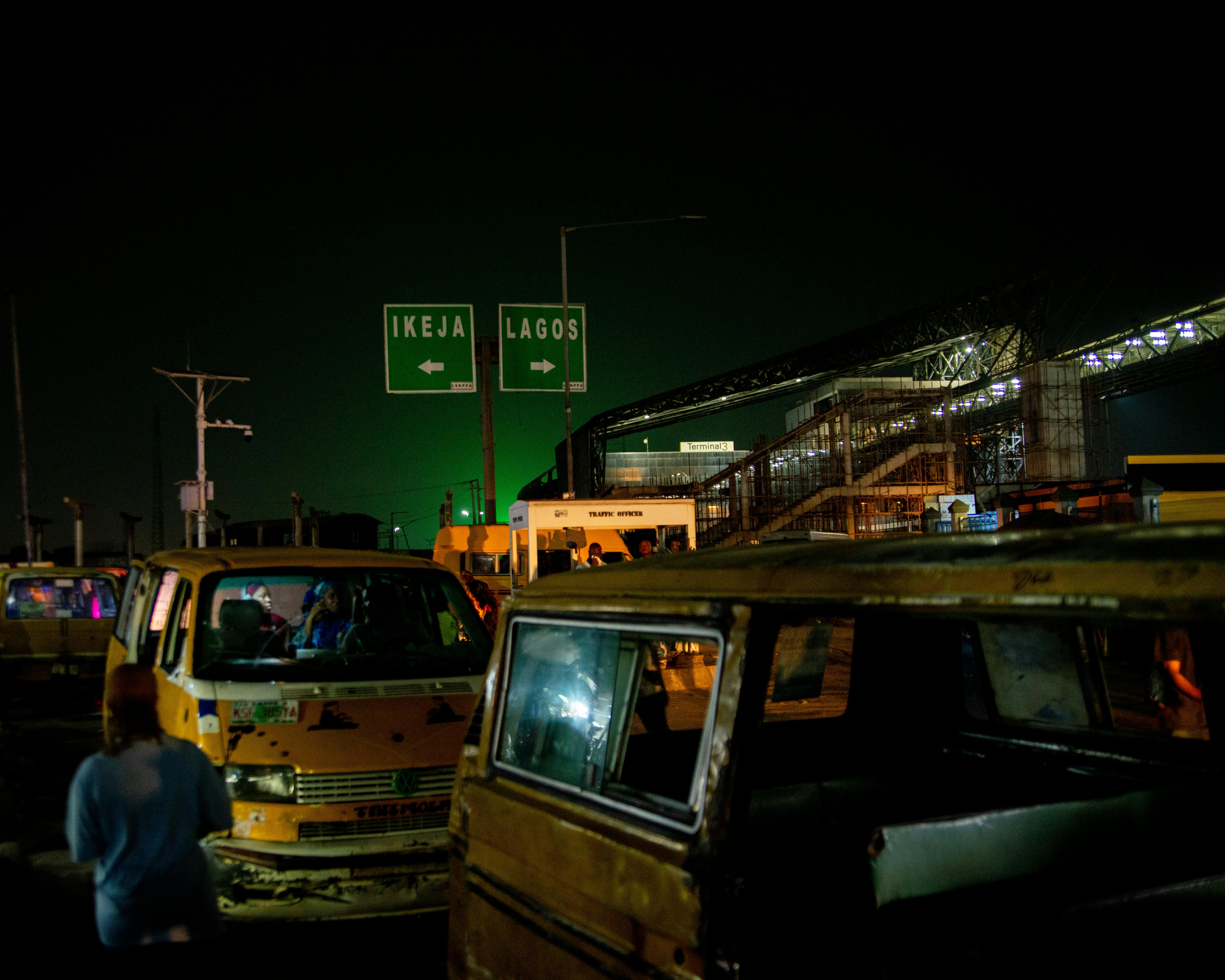 Ikeja
Image by:David Iloba
Ikeja
Image by:David Iloba
Mawlamyine, Myanmar's second-largest city with a population under 255,000, presents a stark contrast to Ikeja, a major component of Nigeria's economic hub Lagos, home to over 861,000 people. This comparison for 2026 highlights a fundamental divergence rooted in their economic structures. Mawlamyine operates within a lower-cost framework, reflecting Myanmar's developing economy, while Ikeja functions within a higher-cost environment, characteristic of a significant urban center in a developing nation with a higher GDP per capita. This economic disparity directly translates into the cost of living, with basic expenses like food, transport, and utilities being substantially cheaper in Mawlamyine than in Ikeja.
The economic gap is palpable in both income and housing costs. Mawlamyine's average net salary is considerably lower, mirroring the country's overall economic context. This lower income, however, aligns with significantly more affordable living expenses across the board. Housing exemplifies this gap most clearly: a 1-bedroom apartment in Ikeja's city center commands a monthly rent of $3,500 USD, placing it among the most expensive housing markets in its region. This is a substantial premium compared to the much more affordable costs in Mawlamyine, reflecting the broader economic reality. Furthermore, the financial burden of property ownership is higher in Ikeja, evidenced by its substantially higher annual mortgage interest rate of 18.07%, adding significantly to long-term commitments absent comparable data for Mawlamyine.
Assessing quality of life, particularly safety and healthcare access, presents challenges due to the lack of direct metrics in the data. However, the economic disparity and differing GDP growth rates (2.86% for Nigeria vs. unspecified for Myanmar, likely lower) offer indirect insights. Ikeja, as a major city, likely offers better access to international-standard services, including healthcare and education, although the data shows higher costs for childcare and schooling. Mawlamyine's quality of life might be defined by lower costs but potentially fewer high-quality service options. Environmental factors like air quality are not directly comparable, but the differing economic structures and urban development levels suggest significant differences, with major cities like Lagos potentially facing greater urban environmental challenges.
From an investment and career perspective, the data points towards different opportunities. Nigeria's higher GDP per capita ($5,600 USD) and faster population growth rate (2.52%) suggest a potentially more dynamic and expanding economy, offering more avenues for investment and career growth, albeit with correspondingly higher costs. The lower GDP per capita for Myanmar ($5,000 USD) might indicate slower economic development and potentially fewer high-paying job opportunities compared to the diverse economy of Lagos. The significantly higher average net salary in Ikeja ($124.53 USD monthly) reflects the potential for better earning potential in the Nigerian city, although this must be weighed against the substantially higher cost of living, including the exorbitant housing costs.
Ultimately, the choice between Mawlamyine and Ikeja hinges on individual priorities regarding budget, career prospects, and the desired standard of living. Mawlamyine offers a substantially lower cost of living, making it attractive for those prioritizing affordability, despite limitations in income levels and potentially fewer high-quality services. Ikeja, while significantly more expensive across nearly all metrics examined, represents a major economic center with higher potential earnings, likely better access to services, and a faster-growing population base. The decision requires weighing the trade-offs between financial burden and economic opportunity within the respective economic contexts of Myanmar and Nigeria.
 Mawlamyine
 Ikeja
IkejaLocal cuisine & dishes
Mawlamyine
Ikeja
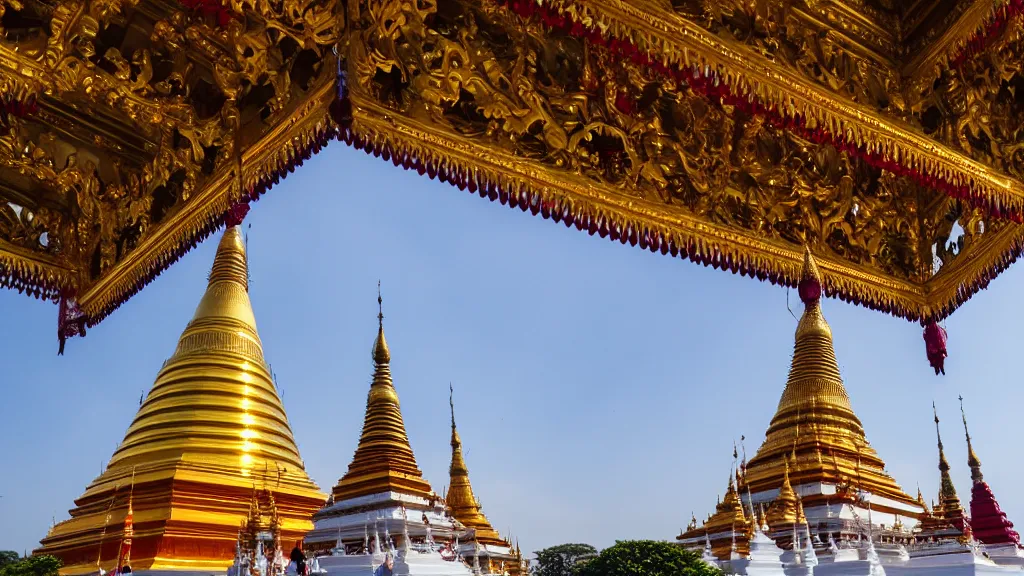 Mawlamyine
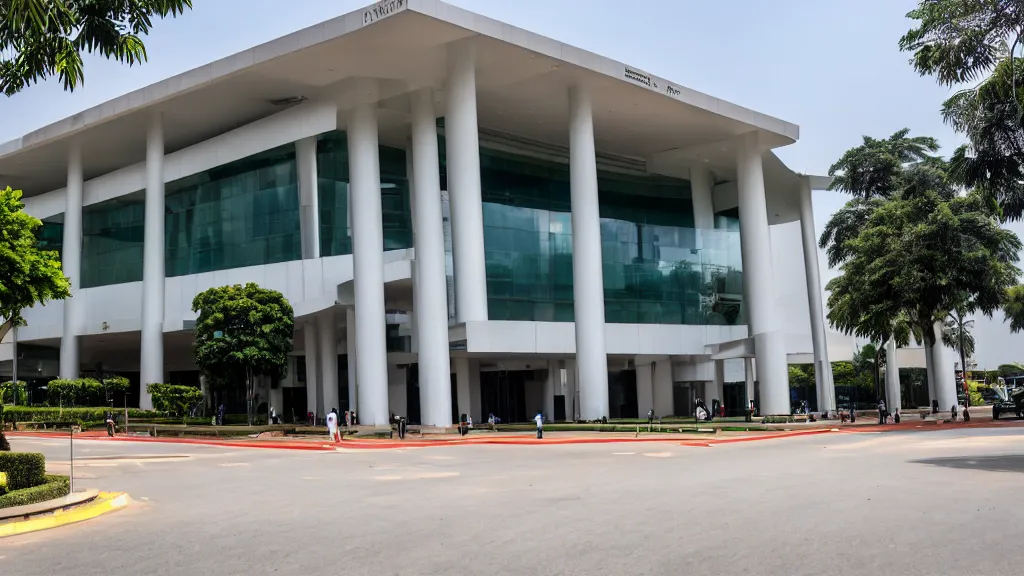 Ikeja
IkejaTravel & attractions
Mawlamyine
Ikeja
Real estate & living comparison
| Mawlamyine | Ikeja | |
|---|---|---|
| International Primary School, Annual Tuition per Child | 9000 USD | 19717.75 USD |
| Private Full-Day Preschool or Kindergarten, Monthly Fee per Child | 500 USD | 670.17 USD |
| Jeans (Levi's 501 or Similar) | 39 USD | 18.13 USD |
| Men's Leather Business Shoes | 24 USD | 68.08 USD |
| Apples (1 kg) | 1.64 USD | 2.59 USD |
| Bananas (1 kg) | 0.89 USD | 1.83 USD |
| 1 Bedroom Apartment in City Centre | 250 USD | 3500 USD |
| 1 Bedroom Apartment Outside of City Centre | 120 USD | 2000 USD |
| Cappuccino (Regular Size) | 1 USD | 2.59 USD |
| Combo Meal at McDonald's (or Equivalent Fast-Food Meal) | 5 USD | 7.04 USD |
| Annual Mortgage Interest Rate (20-Year Fixed, in %) | 5 USD | 18.07 USD |
| GDP Growth Rate: | 0.96 USD | 2.86 USD |
| Cinema Ticket (International Release) | 10 USD | 6.22 USD |
| Gasoline (1 Liter) | 1.75 USD | 0.4 USD |
| One-Way Ticket (Local Transport) | 1.5 USD | 0.33 USD |
| Basic Utilities for 85 m2 Apartment (Electricity, Heating, Cooling, Water, Garbage) | 75 USD | 113.97 USD |
| Broadband Internet (Unlimited Data, 60 Mbps or Higher) | 50 USD | 41.02 USD |
| Population | 253,734 | 861,300 |
Last updated: 2026-04-05T15:44:02+00:00
Comments for this comparison