
Anshun vs. Mawlamyine: Detailed 2026 Cost of Living & Quality Comparison
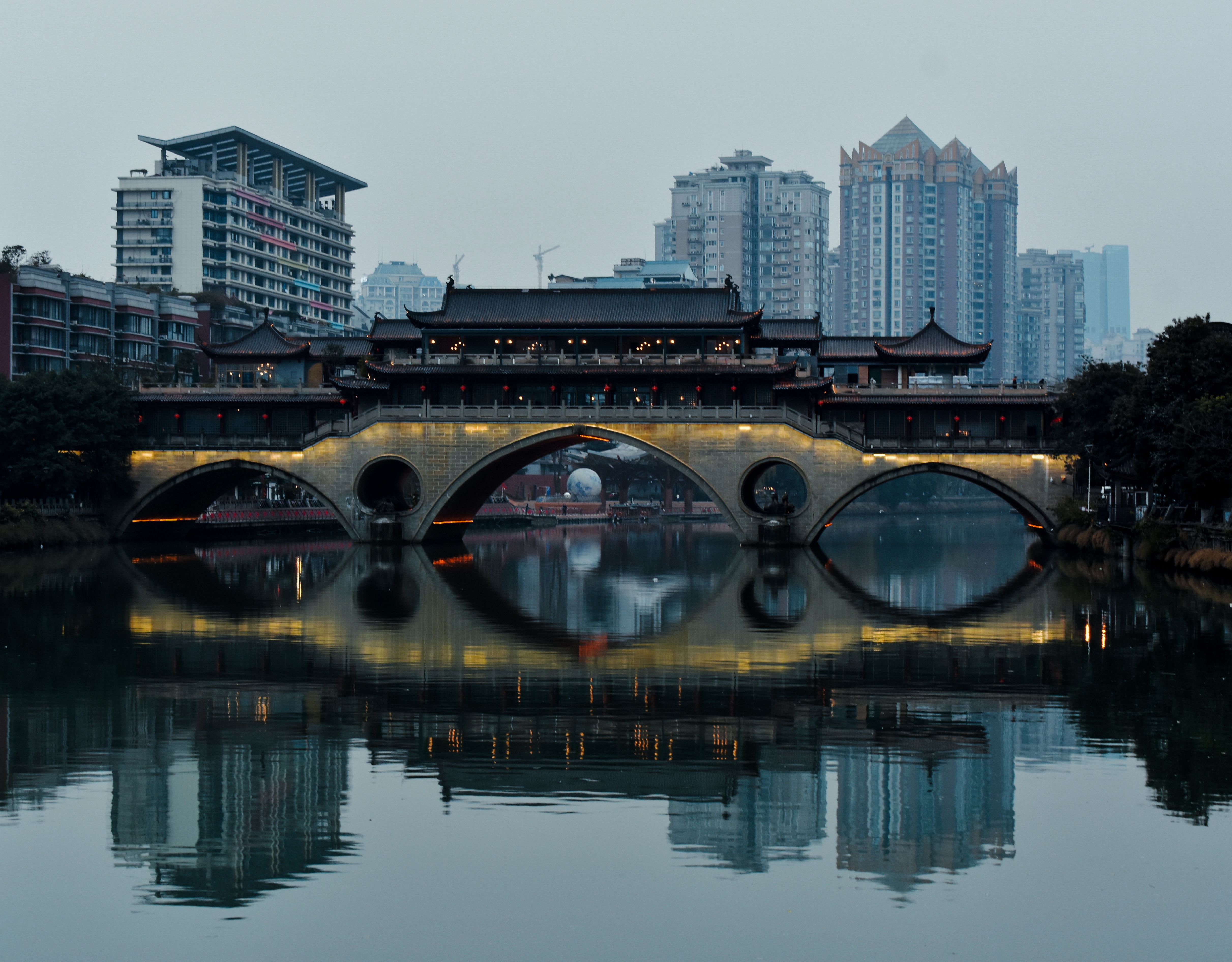 Anshun
Image by:William Liu
Anshun
Image by:William Liu
 Mawlamyine
Image by:Aung Kyaw Naing
Mawlamyine
Image by:Aung Kyaw Naing
Anshun, a major Chinese city with a population exceeding two million and a GDP per capita of $22,100 in 2026, presents a profile of established economic strength. Its GDP growth rate of 5.25% underscores relative stability, supporting a higher average monthly net salary of $1,741.05 after taxes. This positions Anshun as a location offering greater current income potential compared to Mawlamyine, a significantly smaller Burmese city with a GDP per capita of just $5,400 and a sluggish growth rate of 0.96%. While Mawlamyine's lower economic output per person reflects its smaller scale, its higher population growth rate of 0.71% suggests underlying demographic momentum, albeit with lower immediate economic returns.
The economic disparity directly translates into the cost of living and housing. Anshun commands substantially higher expenses for essentials like groceries, dining, and transportation. Crucially, Mawlamyine offers drastically lower costs across the board, making daily life significantly more affordable. Housing exemplifies this difference: while Anshun's specific figures are limited, Mawlamyine presents exceptionally cheap options, with 1-bedroom apartments renting for as little as $120 USD monthly outside the city center, and property prices per square meter being notably lower than in comparable Chinese cities. This stark affordability gap in Mawlamyine presents a compelling case for those prioritizing immediate living expenses.
Assessing quality of life beyond pure economics proves challenging, particularly for Anshun. Mawlamyine provides some data, including neighborhood indices ranging widely from 66.76 to 353.91, indicating varied living conditions, and childcare costs. Here, Anshun's international primary school tuition ($14,508.73/year) is significantly higher than Mawlamyine's international school tuition ($9,000/year) or its private preschool fee ($500/month). The lack of comparable quality-of-life metrics for Anshun, such as safety indices or healthcare access data, makes a direct comparison difficult. However, the data available suggests Mawlamyine's lower cost structure, particularly for childcare, could be a significant factor for families, contrasting sharply with Anshun's higher base costs.
For those considering investment and long-term career prospects, the two cities present vastly different profiles. Anshun, benefiting from China's massive and stable economy, likely offers more established career paths and institutional investment opportunities, despite the higher costs. Mawlamyine, despite its lower current GDP and growth rate, shows a higher population growth rate, potentially indicating future demand and investment opportunities, particularly in real estate and nascent sectors fueled by population inflows. The lower cost of living in Mawlamyine makes it potentially more attractive for individuals or businesses seeking affordability, but this must be weighed against the lower salaries and slower economic expansion compared to Anshun's more robust performance.
In conclusion, Anshun offers the allure of higher income potential, greater economic stability, and likely more developed infrastructure, but at a substantial cost disadvantage. Mawlamyine, conversely, presents a much lower cost of living, particularly concerning housing and childcare, alongside a higher population growth rate hinting at future possibilities, but with lower current salaries, slower economic expansion, and less definitive data on overall quality of life and investment yields. The decision hinges on whether one prioritizes the established economy and higher pay of Anshun or the lower expenses and potential for rapid development in Mawlamyine.
 Anshun
 Mawlamyine
Local cuisine & dishes
Anshun
Mawlamyine
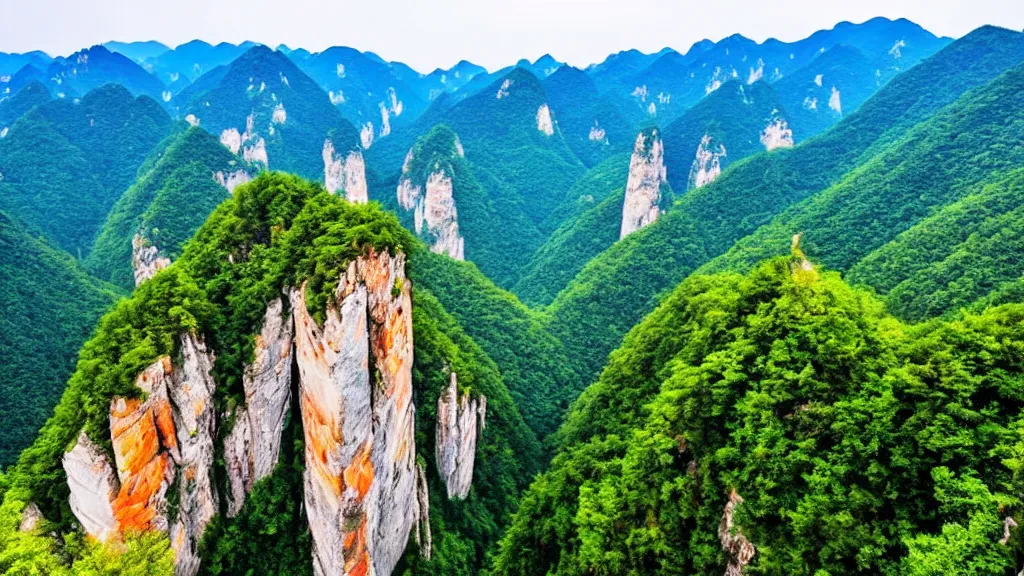 Anshun
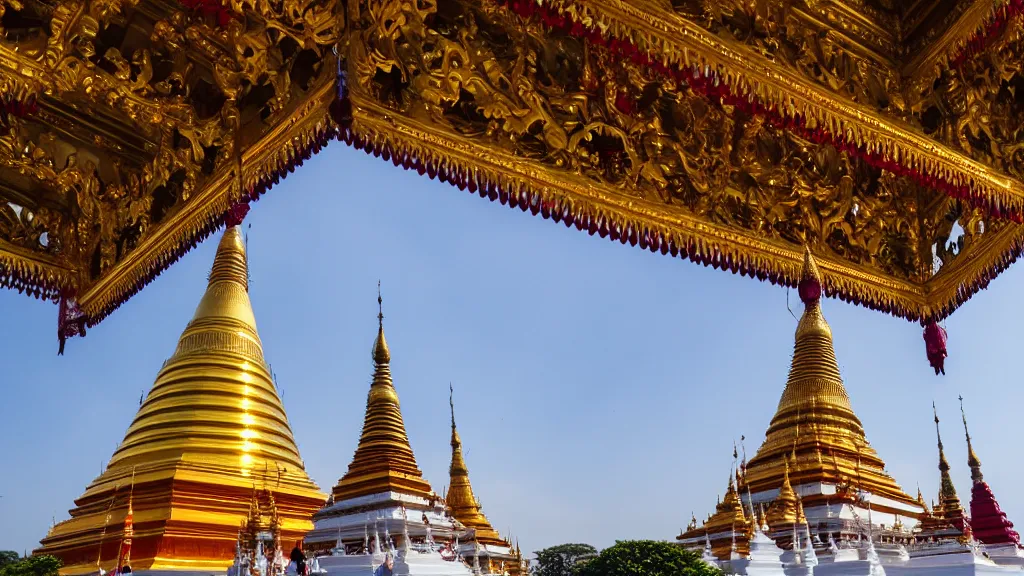 Mawlamyine
Travel & attractions
Anshun
Mawlamyine
Real estate & living comparison
| Anshun | Mawlamyine | |
|---|---|---|
| International Primary School, Annual Tuition per Child | 14508.73 USD | 9000 USD |
| GDP Growth Rate: | 5.25 USD | 0.96 USD |
| GDP Per Capita ($) : | 22100 USD | 5400 USD |
| Population | 2,353,100 | 253,734 |
Last updated: 2026-04-05T11:49:24+00:00
Comments for this comparison