
Hamah vs. Anshun: Detailed 2026 Cost of Living & Quality Comparison
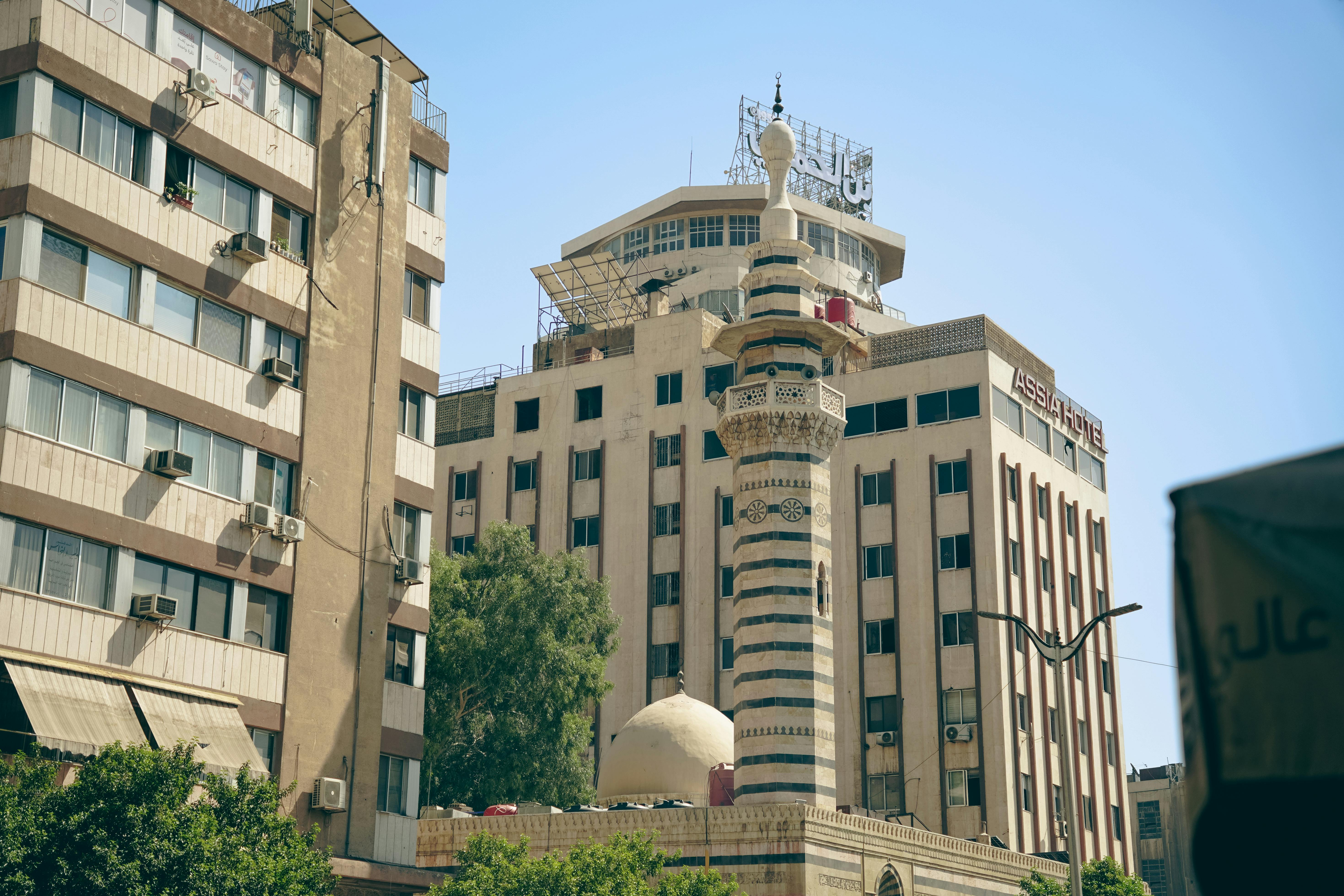 Hamah
Image by:Halid Elosman
Hamah
Image by:Halid Elosman
 Anshun
Image by:William Liu
Anshun
Image by:William Liu
Hamah, Syria, and Anshun, China, present fundamentally different urban landscapes and economic realities in 2026. Hamah, with a population exceeding 690,000, offers granular data on quality of life across its districts and a wide range of cost-of-living metrics, albeit with concerning economic indicators. Anshun, home to nearly 2.35 million people, provides only a limited dataset focusing on childcare costs, average net salaries, and general economic figures, making a comprehensive comparison challenging due to the significant disparity in available information. The economic context differs starkly, with Syria's GDP per capita significantly lower and its growth rate sluggish, contrasting with China's Anshun boasting a substantially higher GDP per capita and a faster pace of expansion, despite minimal population growth.
Economically, Hamah appears considerably less developed than Anshun. Its GDP per capita is just $4,500, a fraction of Anshun's $22,100, reflecting a vast difference in average wealth and development. Hamah's GDP growth rate of 0.73% is far slower than Anshun's 5.25%, suggesting limited prospects for future wealth creation. While Hamah's population is growing moderately at 1.67%, Anshun's growth is negligible at 0.23%. Housing costs in Hamah vary dramatically between districts, from $18.16 to $86.47, but Anshun's data, showing average property at $18.16, lacks the necessary detail for a meaningful comparison with Hamah's diverse market.
The quality of life data available for Hamah is notably more detailed, offering scores for numerous districts, though the specific metrics remain undefined. Anshun provides no such comparable figures, leaving a major gap in understanding the living standards, amenities, or safety conditions in the Chinese city. While childcare costs offer a data point, Anshun's international primary school tuition ($14,508.73 annually) is substantially higher than the $1,780.73 figure for Hamah (Suran), suggesting potentially more expensive high-quality education in Anshun, but this single data point cannot compensate for the lack of broader quality-of-life information.
Assessing investment and career opportunities highlights further divergences. Hamah's lower GDP per capita and sluggish growth rate paint a less attractive picture for long-term stability and advancement compared to Anshun's significantly higher figures. The average monthly net salary in Anshun ($1,741.05) is considerably higher than the data allows for a general Hamah figure, though Hamah's district-specific property prices are lower. The much higher population growth in Hamah might suggest dynamism, but the weak economic performance casts doubt on its sustainability. Crucially, the data offers little clarity on the affordability gap in Hamah, as a general salary figure is unavailable for direct comparison with its property costs.
In conclusion, the data reveals two vastly different cities. Hamah provides detailed quality-of-life insights and varied housing costs but operates within a challenging economic and potentially unstable geopolitical context. Anshun presents a much stronger economic profile with higher GDP and growth, but crucially lacks the comprehensive data needed to fully evaluate its quality of life or cost-of-living structure. While Anshun offers potentially better economic prospects, the lack of detailed living standards data makes a definitive comparison difficult. Hamah offers more granular quality metrics but faces significant economic headwinds. A decision between these cities hinges on individual priorities and the acceptance of substantial data limitations, particularly regarding Anshun's overall living standards and Hamah's economic stability.
 Hamah
Hamah Anshun
Local cuisine & dishes
Hamah
Anshun
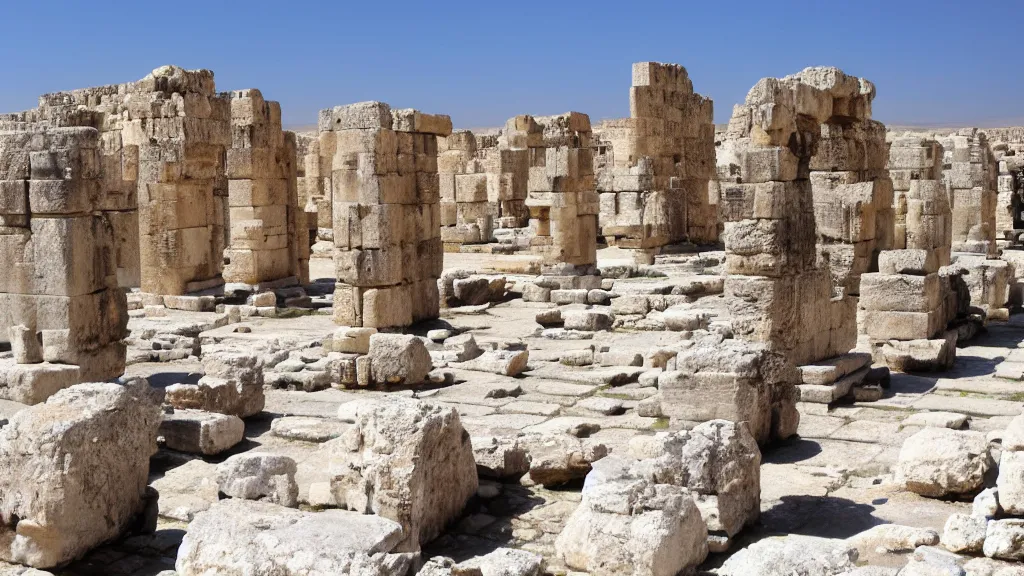 Hamah
Hamah Anshun
Travel & attractions
Hamah
Anshun
Real estate & living comparison
| Hamah | Anshun | |
|---|---|---|
| International Primary School, Annual Tuition per Child | 1780.73 USD | 14508.73 USD |
| GDP Growth Rate: | 0.73 USD | 5.25 USD |
| GDP Per Capita ($) : | 4500 USD | 22100 USD |
| Population | 696,863 | 2,353,100 |
Last updated: 2026-04-05T11:46:23+00:00
Comments for this comparison