
Aleppo vs. Bukoba: Detailed 2026 Cost of Living & Quality Comparison
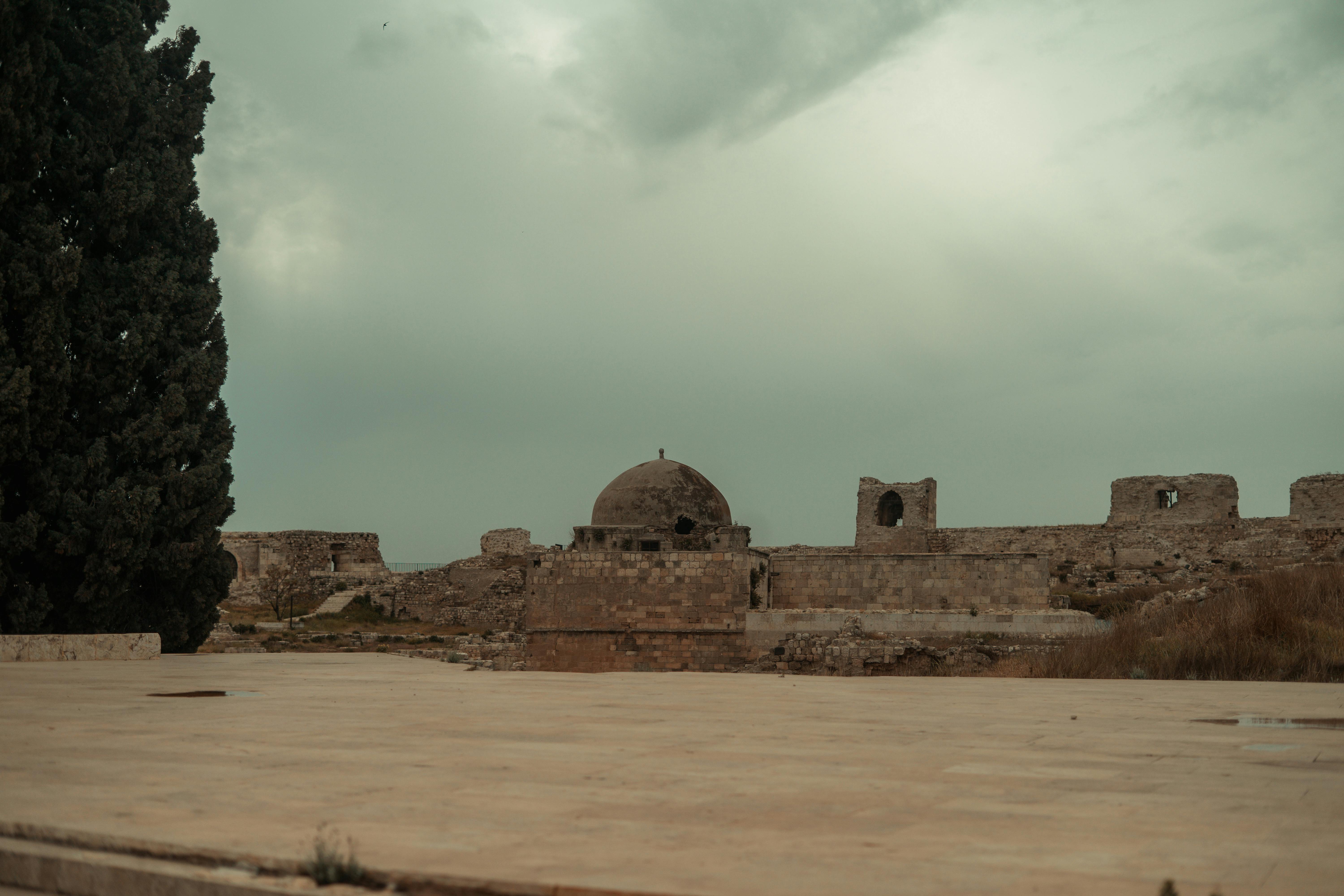 Aleppo
Image by:khaled damlakhi
Aleppo
Image by:khaled damlakhi
 Bukoba
Image by:I am Alex
Bukoba
Image by:I am Alex
The stark contrast between Aleppo and Bukoba begins with their scale and economic fundamentals. Aleppo, Syria's second-largest city with nearly two million inhabitants, presents a complex urban picture. Bukoba, a smaller Tanzanian city with a population around 145,000, offers a different baseline. Economically, Aleppo boasts a higher GDP per capita ($4,500 vs. Bukoba's $3,600), yet its growth rate (0.73%) is sluggish compared to Bukoba's robust 5.07%. Housing reflects this economic divergence, with city-center apartments in Aleppo ranging from $89.80 to $191.60 per square meter. While significantly cheaper than major global hubs, these prices are still higher than indices for other Syrian locations like Afrin, Suran, and Homs. Bukoba's property prices, quoted for specific districts without direct USD comparison, make a precise cost-of-living match difficult, but the overall context suggests different affordability levels.
The analysis of living expenses and housing reveals significant disparities, though data completeness differs. Aleppo's cost-of-living index stands exceptionally low at 26.63 globally, yet this must be viewed alongside a deeply concerning quality-of-life reality. The city's safety index is a mere 27.47, and its healthcare index stands at just 32.87 – both alarmingly low. Furthermore, the pollution index reaches a high of 73.85, adding another layer to the challenges. Bukoba's reported district quality-of-life scores (Uyovu: 275.45, Buseresere: 330.77, Ushirombo: 331.63) are considerably higher than Aleppo's general index, though their exact meaning without context remains ambiguous. This juxtaposition highlights that while Aleppo's basic living costs are among the lowest worldwide, the fundamental quality metrics paint a very different, and considerably worse, picture than Bukoba's data, despite its own limitations.
The gap between the cities widens when considering the tangible impact on residents' finances and well-being. The average net salary in Aleppo is a meager $68.58 per month, a figure that starkly contrasts with the city's low cost-of-living index but fails to cover even basic expenses comfortably. This combination of low pay and poor quality-of-life factors (safety, healthcare, pollution) presents a challenging environment. Bukoba, conversely, carries a much higher cost-of-living index (around 300+), indicating significantly greater expenses. While this suggests a potentially more comfortable basic standard, the economic growth rate is higher, and crucial quality-of-life data for the city overall is less readily available than in Aleppo. The choice hinges on whether the lower cost and potentially more dynamic economy of Aleppo, despite its severe quality-of-life shortcomings, outweigh the higher costs and uncertainties of Bukoba.
 Aleppo
 Bukoba
Local cuisine & dishes
Aleppo
Bukoba
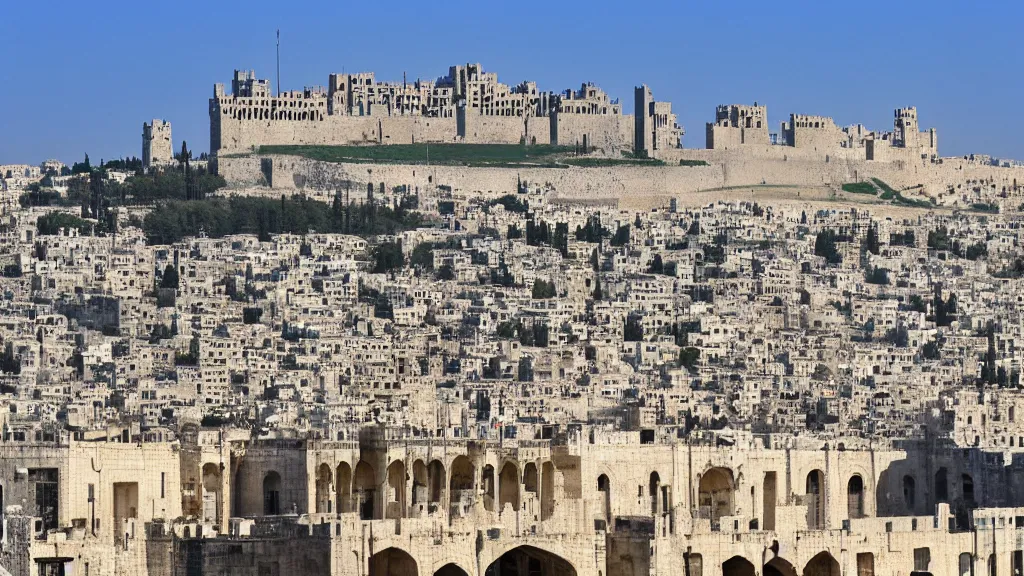 Aleppo
 Bukoba
Travel & attractions
Aleppo
Bukoba
Real estate & living comparison
| Aleppo | Bukoba | |
|---|---|---|
| Bottled Water (0.33 Liter) | 0.57 USD | 0.2 USD |
| Domestic Draft Beer (0.5 Liter) | 3 USD | 1.18 USD |
| GDP Growth Rate: | 0.73 USD | 5.07 USD |
| GDP Per Capita ($) : | 4500 USD | 3600 USD |
| Population | 2,003,671 | 144,938 |
Last updated: 2026-04-05T11:45:16+00:00
Comments for this comparison