
Anshun vs. Jieshou: Detailed 2026 Cost of Living & Quality Comparison
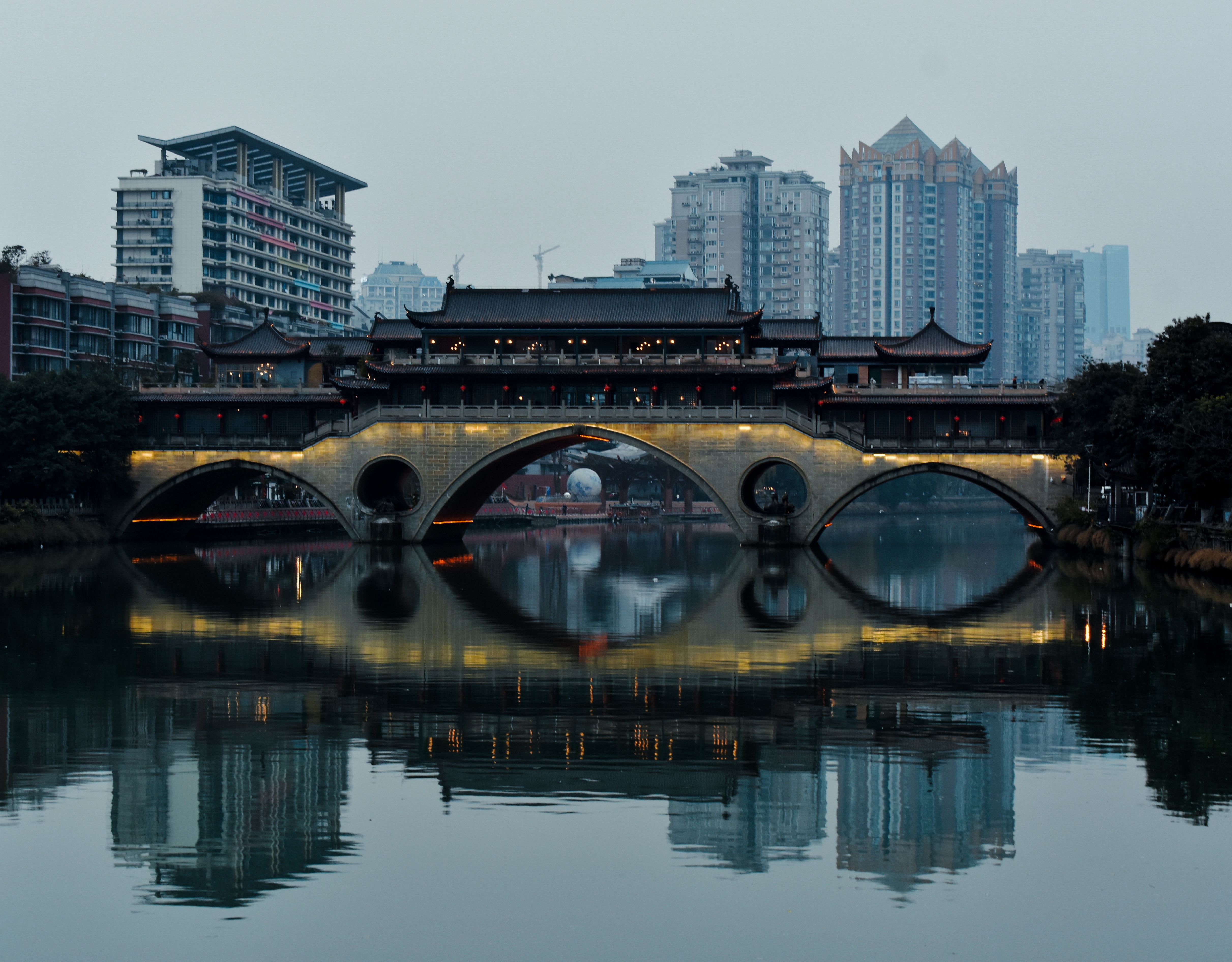 Anshun
Image by:William Liu
Anshun
Image by:William Liu
 Jieshou
Image by:Mad Skillz,,
Jieshou
Image by:Mad Skillz,,
Anshun and Jieshou present fundamentally different profiles for potential relocation or investment, largely defined by the stark disparity in available data. Anshun, with its larger population base of nearly 2.35 million, suggests a significant urban scale, yet the data paints a picture of limited transparency. Figures focus primarily on broad economic indicators like GDP per capita ($22,100) and sparse population metrics, offering little insight into the lived experience. Jieshou, conversely, with a population of around 562,000, provides a much more granular dataset covering tangible aspects of daily life. This includes detailed breakdowns of restaurant and market prices, transportation costs, childcare, utilities, and property prices, painting a far clearer, albeit potentially more expensive, picture of its urban environment.
Economically, the cities diverge significantly, though Anshun's data remains relatively thin. Anshun reports an average monthly net salary of $1,741 after tax, alongside a GDP per capita of $22,100 and a modest GDP growth rate of 5.25%. Jieshou offers more specific financial markers, such as a low 3.44% interest rate for a 20-year fixed mortgage, potentially easing long-term housing financing. While Jieshou provides property price indices (like 286.75 for Zhengzhou, 303.9 for Hefei, 388.8 for Nanjing, and 399.5 for Wuhan), direct Jieshou figures are lacking. However, car prices listed ($18,861 for a compact car, $18,600 for a mid-size sedan) suggest a reasonable automotive market. Anshun's lower population and GDP per capita might imply lower costs, but without specific data, this remains speculative.
The quality of life data available strongly favors Jieshou, offering a detailed snapshot of its urban environment, while Anshun leaves vast swathes of crucial information unexplored. Jieshou provides extensive daily expense data covering food staples (milk, bread, eggs at $0.82-$1.30), transportation (taxi start fare $1.16, gasoline $1.10/L), utilities and broadband, and leisure activities (cinema tickets). Childcare options range from kindergarten fees around $266 monthly to international school tuition nearing $9,431 annually. This level of detail allows for a robust assessment of living expenses. Anshun provides no comparable data, leaving fundamental questions about public services, safety, environmental quality, healthcare access, and recreational opportunities unanswered, making a direct comparison on these essential factors impossible.
From an investment and career perspective, Jieshou appears more conducive to certain types of engagement, supported by the available data. The lower mortgage rate could be attractive for real estate investors or those planning long-term homeownership. The detailed cost-of-living indices provide benchmarks for evaluating affordability within China. The presence of international school tuition data hints at a niche market or affluent demographic. Conversely, Anshun's data offers limited insight into career opportunities, job market dynamics, or the business environment. Its lower population and GDP per capita might suggest fewer large-scale employment centers, but crucial specifics on industrial makeup or job availability are absent, hindering potential investors and job seekers.
In conclusion, Anshun and Jieshou represent vastly different urban environments with contrasting data profiles for 2026. Anshun, despite its larger scale and higher GDP per capita, offers very limited data for comprehensive analysis, particularly concerning quality of life and detailed cost-of-living factors. Jieshou, despite its smaller population, provides a rich dataset covering extensive daily expenses, property prices, transportation, childcare, and indirect economic indicators, painting a much clearer, though potentially pricier, picture. While Anshun's data might suggest lower costs, this is speculative. Jieshou emerges as the more analytically accessible city, offering a more defined cost structure and transparent data for evaluating investment, career, and quality-of-life trade-offs, whereas Anshun remains comparatively opaque.
 Anshun
 Jieshou
Local cuisine & dishes
Anshun
Jieshou
 Anshun
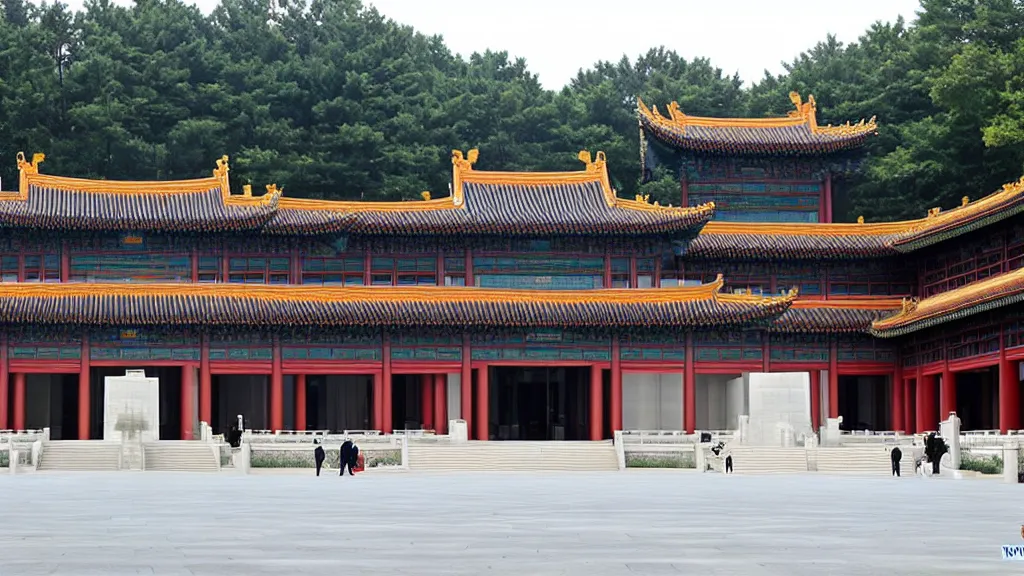 Jieshou
Travel & attractions
Anshun
Jieshou
Real estate & living comparison
| Anshun | Jieshou | |
|---|---|---|
| International Primary School, Annual Tuition per Child | 14508.73 USD | 9430.68 USD |
| Population | 2,353,100 | 561,956 |
Last updated: 2026-04-05T04:51:20+00:00
More city comparisons
From China
- Herat vs Shanghai
- Stockholm vs Hangzhou
- Guangzhou vs Wuhan
- Nanjing vs Venice
- Suzhou vs Olympia
- London vs Qujing
- Dalian vs Washington
- Baoshan vs Naga City
- Amman vs Hangzhou
- Tokyo vs Guangzhou
- Beijing vs Hong Kong
- Huai'an vs Surakarta
- Beijing vs Monterrey
- Zunyi vs Nairobi
- Wenzhou vs Logan
- Delhi vs Zhumadian
- Yan'an vs Fukushima
- Casablanca vs Shanghai
- Moron vs Xiantao
- Xinyang vs Shillong
Comments for this comparison