
Xinyang vs. Shillong: Detailed 2026 Cost of Living & Quality Comparison
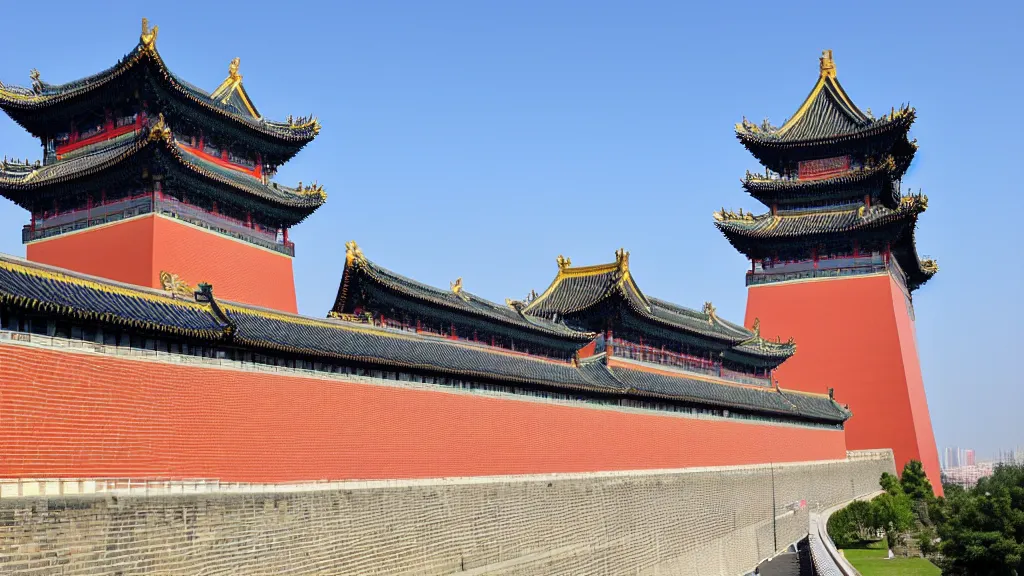
 Xinyang
Image by:Mad Skillz,,
Xinyang
Image by:Mad Skillz,,
 Shillong
Image by:Shanto Mazumder
Shillong
Image by:Shanto Mazumder
Xinyang, a major Chinese city with a population over six million and a GDP per capita of $22,100, represents a large, established economic hub. In contrast, Shillong, the capital of Meghalaya, is a much smaller regional capital with a population of about 143,000 and a GDP per capita of $9,200. This fundamental difference in scale and economic standing immediately shapes the comparison. Numerically, Xinyang's GDP per capita is significantly higher than Shillong's ($22,100 vs. $9,200). Furthermore, the cost of living in Shillong is considerably lower than in Xinyang, aligning with their national economic profiles. This baseline difference suggests vastly different financial landscapes for residents.
Economically, Xinyang demonstrates a higher level of development, reflected in its GDP per capita ($22,100) and a GDP growth rate of 5.25%. Shillong exhibits a higher average monthly net salary after tax ($527.74), but this figure is substantially lower than the implied income levels needed to support the higher cost of living in Xinyang. Regarding housing, the disparity is pronounced; while Xinyang's property prices are implicitly much higher, Shillong offers significantly more affordable options, with a central 1-bedroom apartment priced at just $191.08 per month. The mortgage interest rates also differ, with Xinyang at 3.49% and Shillong at 7.38%, impacting long-term affordability. Calculating the implicit salary for Shillong ($527.74) versus Xinyang's GDP per capita ($22,100) indicates Xinyang's potential earnings are considerably higher. Xinyang's lower mortgage rate (3.49% vs. Shillong's 7.38%) combined with its higher GDP per capita suggests more favorable financing and potentially higher salaries.
The quality of life metrics present a complex picture. Shillong shows higher scores in several key areas, including a safety index of 53.56, health care index of 56.48, and climate index of 71.13, suggesting potentially better safety, healthcare access, and climatic conditions compared to the implicit baseline or other locations. However, Shillong's traffic commute time index is relatively high at 38.75, indicating longer commutes, while its pollution index is moderate at 48.45. Xinyang, being a larger Chinese city, likely faces greater challenges in terms of traffic congestion and air pollution, though specific data points for Xinyang are not provided, making a direct comparison difficult. Based on the available data, Shillong has higher safety and healthcare indices than the baseline, but lower traffic and pollution indices are not confirmed.
Considering investment and career opportunities, the data points towards different priorities. Shillong boasts a higher GDP growth rate (8.15%) and a higher population growth rate (0.72%), potentially indicating a dynamic, albeit smaller, market. However, the lower GDP per capita and salaries suggest a different economic structure. Xinyang, with its larger population, established economy, and higher GDP per capita ($22,100), likely offers more diverse job opportunities, potentially at higher salary levels, and greater career advancement prospects. The higher property prices in Xinyang could represent a more significant investment, driven by its scale and economic strength, whereas Shillong's property market operates on a much smaller scale.
In essence, Xinyang and Shillong offer contrasting profiles. Xinyang offers the advantages of being a large, economically significant city within a major global power, implying greater career opportunities, higher potential earnings, and a more developed infrastructure, albeit at a significantly higher cost of living. Shillong presents a lower cost of living, potentially better scores in specific quality-of-life metrics like safety and healthcare, and a higher GDP growth rate, but operates within a much smaller economic context with lower average salaries and likely fewer high-level job opportunities. The choice depends on whether an individual prioritizes the scale, economic dynamism, and career potential of a major metropolis, even with a higher cost, or prefers the potentially more affordable living, better quality-of-life indicators in specific areas, and the dynamism of a growing regional center, accepting the limitations of a smaller market and lower income potential.
 Xinyang
 Shillong
Local cuisine & dishes
Xinyang
Shillong
 Xinyang
 Shillong
Travel & attractions
Xinyang
Shillong
Real estate & living comparison
| Xinyang | Shillong | |
|---|---|---|
| International Primary School, Annual Tuition per Child | 11002.46 USD | 1228.37 USD |
| Private Full-Day Preschool or Kindergarten, Monthly Fee per Child | 362.72 USD | 28.66 USD |
| Jeans (Levi's 501 or Similar) | 51.51 USD | 24.02 USD |
| Men's Leather Business Shoes | 83.43 USD | 38.22 USD |
| Apples (1 kg) | 1.91 USD | 2.02 USD |
| Bananas (1 kg) | 1.1 USD | 0.72 USD |
| Bottled Water (0.33 Liter) | 0.28 USD | 0.14 USD |
| Cappuccino (Regular Size) | 2.29 USD | 1.31 USD |
| Annual Mortgage Interest Rate (20-Year Fixed, in %) | 3.49 USD | 7.38 USD |
| GDP Growth Rate: | 5.25 USD | 8.15 USD |
| Cinema Ticket (International Release) | 5.95 USD | 2.73 USD |
| Gasoline (1 Liter) | 1.16 USD | 1.08 USD |
| Taxi 1 Hour Waiting (Standard Tariff) | 4.35 USD | 1.36 USD |
| Basic Utilities for 85 m2 Apartment (Electricity, Heating, Cooling, Water, Garbage) | 68.88 USD | 36.31 USD |
| Broadband Internet (Unlimited Data, 60 Mbps or Higher) | 10.59 USD | 5.24 USD |
| Population | 6,109,106 | 143,229 |
Last updated: 2026-04-05T11:47:57+00:00
Comments for this comparison