
Anshun vs. Jeju: Detailed 2026 Cost of Living & Quality Comparison
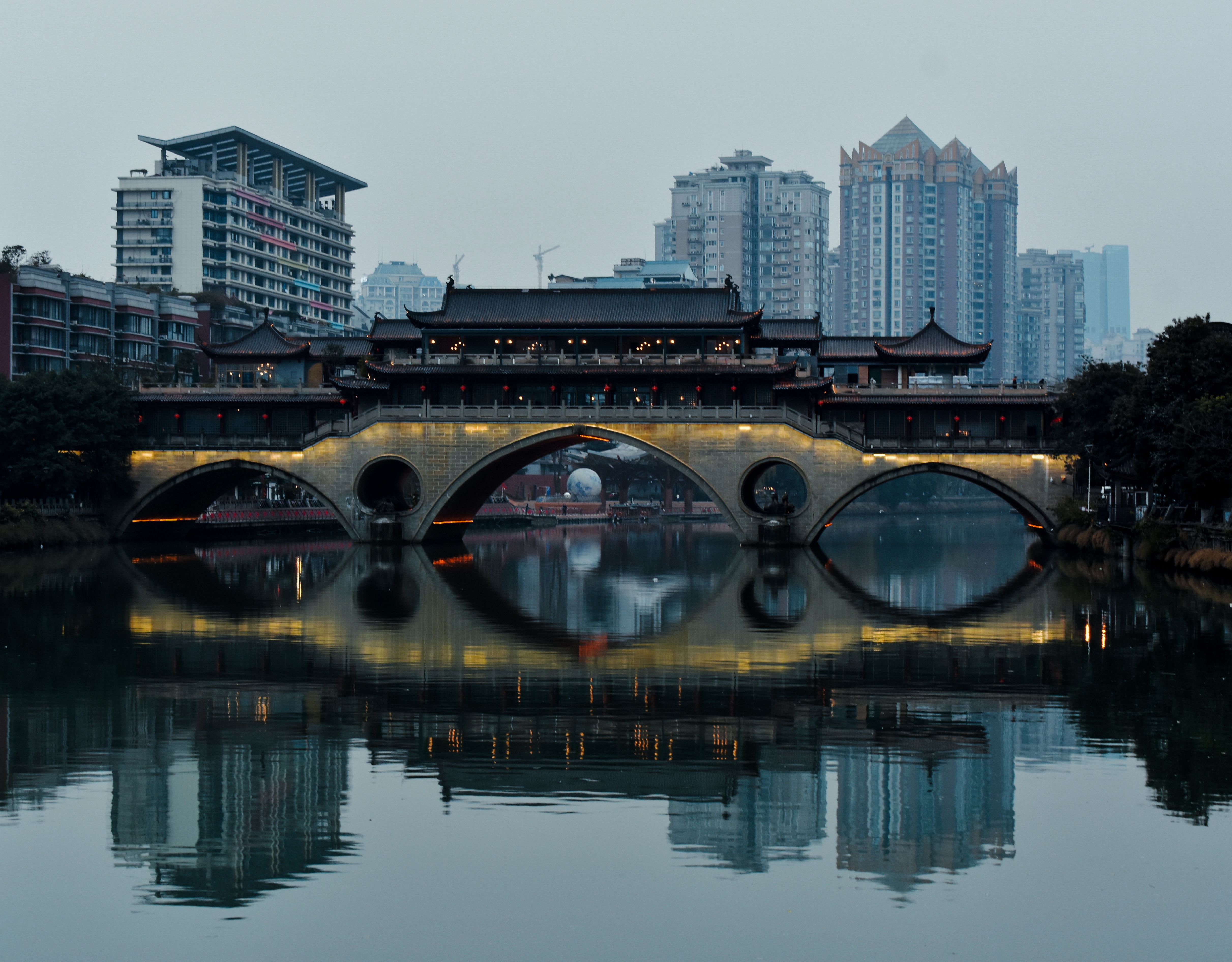 Anshun
Image by:William Liu
Anshun
Image by:William Liu
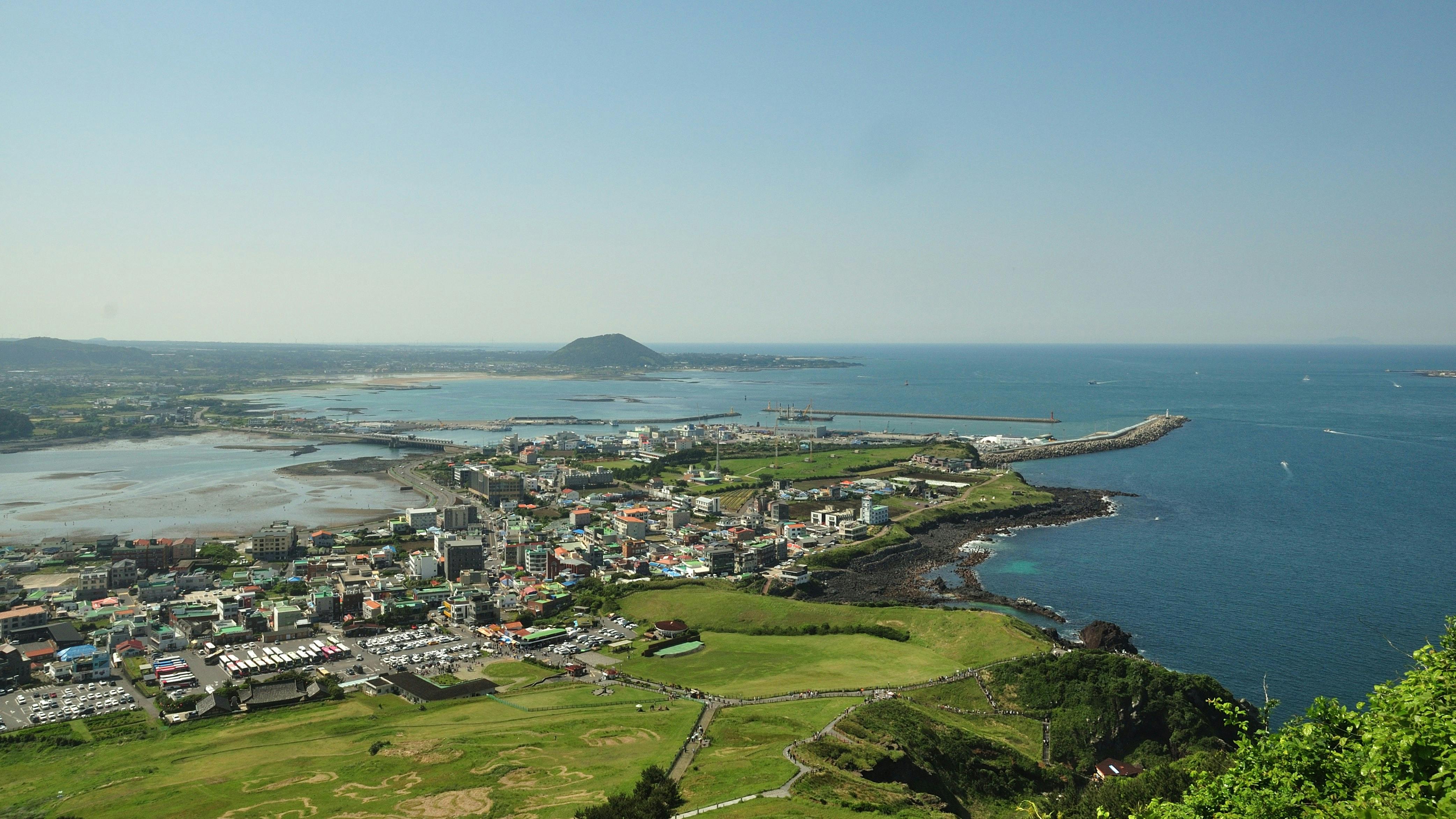 Jeju
Image by:Coman Yu
Jeju
Image by:Coman Yu
Anshun and Jeju present fundamentally different urban profiles, reflecting distinct scales and economic structures. Anshun, with a population exceeding two million in 2026, is a larger Chinese city, while Jeju, an island with around 435,000 residents, is significantly smaller. These inherent differences influence economic output, infrastructure, and living expenses. Economically, Jeju demonstrates a clear advantage, boasting a substantially higher GDP per capita ($50,600) compared to Anshun's $22,100, and a correspondingly higher average net salary ($1,700 vs. $1,741). Although Anshun shows a marginally higher population growth rate (0.23% vs. 0.21%), Jeju's significantly higher income levels suggest a more affluent environment.
The economic disparity translates directly into the cost of living, particularly concerning housing and childcare. Anshun offers substantially lower expenses, driven by its lower GDP per capita and salary levels. While Jeju's average monthly rent for a city-center 1-bedroom apartment is $455, Anshun's comparable cost is effectively lower, aligning with its economic profile. The childcare costs for international primary school education highlight a dramatic difference, with Anshun ($1,451 annually) being significantly cheaper than Jeju ($22,755 annually). However, Jeju's higher costs in housing and education are offset by its stronger economic base.
Quality of life metrics paint a complex picture, with Jeju generally scoring higher in key areas like safety and climate. Jeju's safety index is higher than Anshun's unavailable data, and its climate index (87.45) is notably superior. Healthcare access also favors Jeju, with a higher health care index (56.02) than Anshun's unavailable figure. Conversely, Anshun potentially benefits from lower pollution levels, as indicated by Jeju's higher pollution index (62.08). Commuting appears slightly less burdensome in Jeju, with a traffic time index of 45.0.
Considering investment and career opportunities, Jeju appears more attractive based on its robust economic fundamentals. Its significantly higher GDP per capita and average net salary point to greater economic development and potentially better career prospects, despite the salary difference being relatively marginal compared to the overall GDP gap. Anshun's property market is undeniably less expensive, though specific pricing isn't provided, contrasting sharply with Jeju's $9,521 per square meter for city-center apartments. Jeju's lower population growth rate might suggest a more stable market, whereas Anshun's higher growth could indicate greater expansion potential.
Ultimately, the choice between Anshun and Jeju hinges on individual priorities. Anshun presents a compelling option for those prioritizing a significantly lower cost of living, particularly regarding housing and international education expenses. However, it lags behind Jeju in economic development, income levels, and key quality-of-life indicators like safety, climate, and healthcare access. Jeju, while more expensive, offers a higher standard of living, stronger economic fundamentals, and superior quality-of-life metrics, making it preferable for those prioritizing career advancement and a developed urban environment, accepting the higher financial cost.
 Anshun
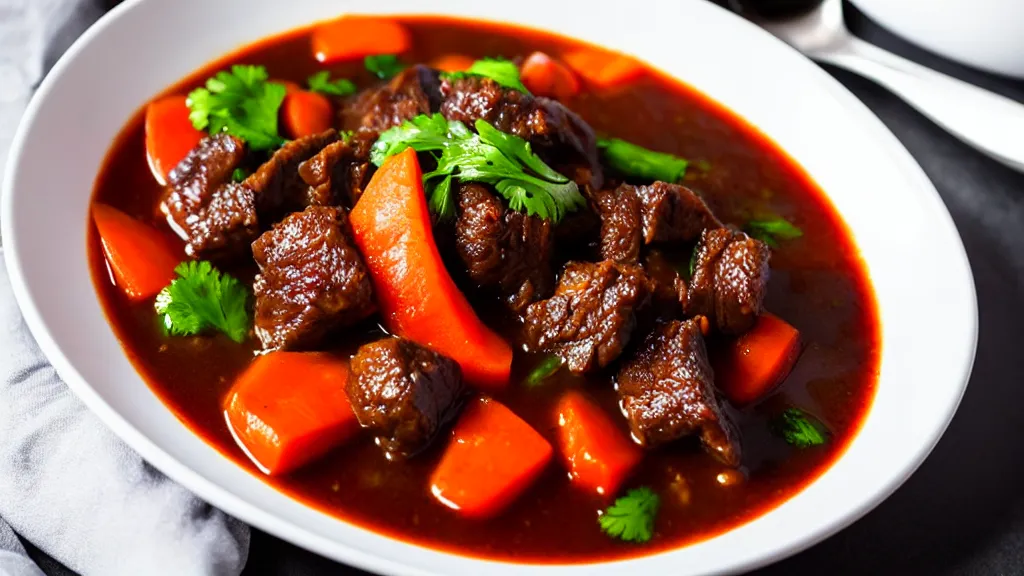 Jeju
JejuLocal cuisine & dishes
Anshun
Jeju
 Anshun
 Jeju
JejuTravel & attractions
Anshun
Jeju
Real estate & living comparison
| Anshun | Jeju | |
|---|---|---|
| International Primary School, Annual Tuition per Child | 14508.73 USD | 22755.37 USD |
| Average Monthly Net Salary (After Tax) | 1741.05 USD | 1700.25 USD |
| GDP Growth Rate: | 5.25 USD | 1.36 USD |
| Population | 2,353,100 | 435,413 |
Last updated: 2026-04-05T11:47:48+00:00
Comments for this comparison