
Malabo vs. Hamah: Detailed 2026 Cost of Living & Quality Comparison
 Malabo
Image by:Kelly
Malabo
Image by:Kelly
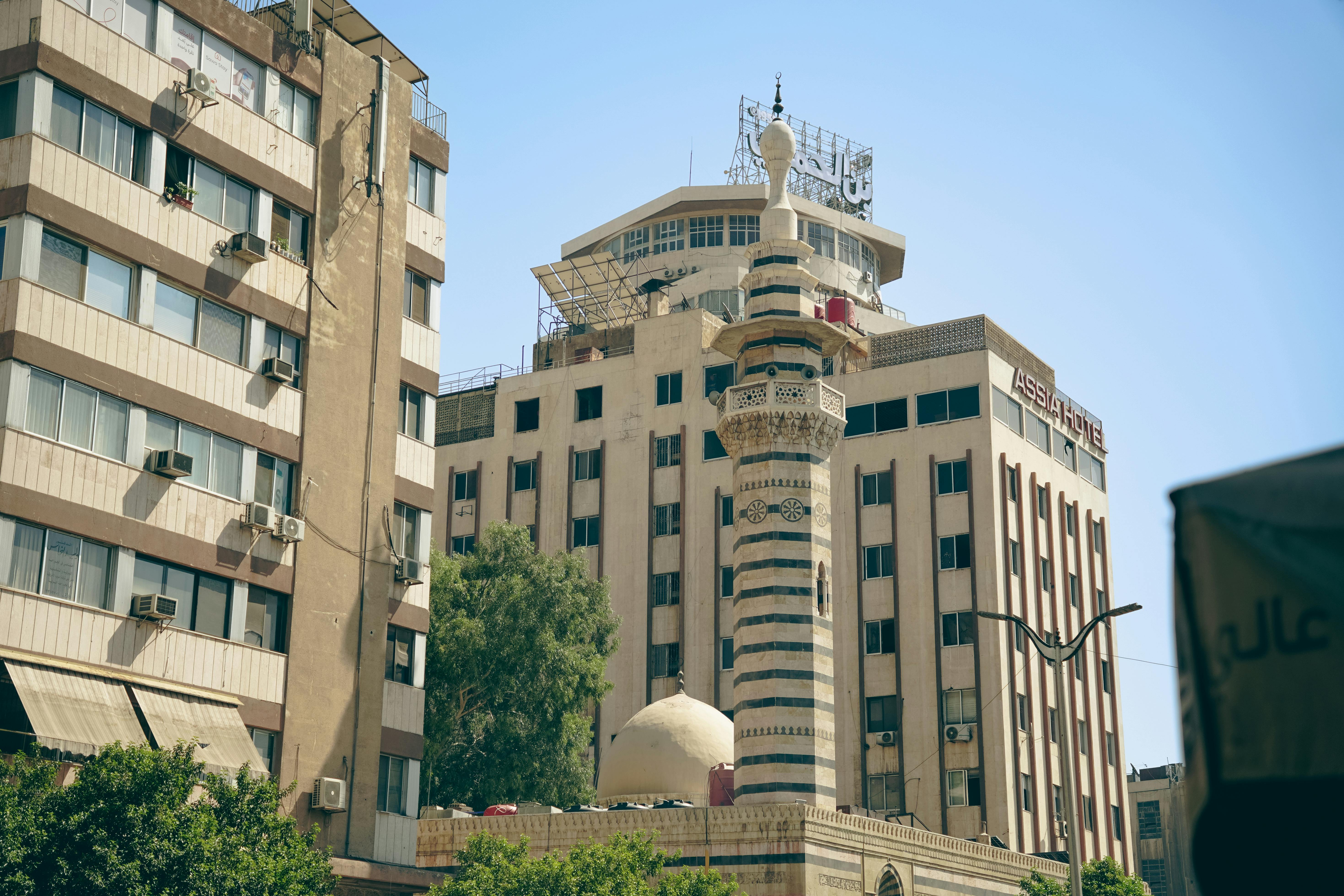 Hamah
Image by:Halid Elosman
Hamah
Image by:Halid Elosman
MALABO AND HAMAH: A 2026 ECONOMIC AND LIVING STABILITY COMPARISON
Malabo, the capital of Equatorial Guinea, presents a stark economic contrast to Hamah, a major Syrian city. Malabo boasts a significantly higher GDP per capita of $15,700, reflecting greater wealth, albeit with a moderate 5.09% GDP growth rate. Hamah, with a population over six times larger, has a substantially lower GDP per capita of $4,500 and faces headwinds with a sluggish 0.73% growth rate. This fundamental difference sets the stage for divergent living costs and quality-of-life indicators.
The cost of living disparity between these capitals is pronounced, although Malabo generally offers cheaper essentials. Food, transportation, and basic utilities are more affordable in Malabo; think $35.58 for a mid-range restaurant meal for two versus $45.00 in Hamah, $7.33 for a kilogram of beef versus $5.00, and a basic public transport pass at $13.23 monthly compared to $46.47. However, this lower cost extends only so far. Malabo's property market is markedly more expensive, with a 3-bedroom apartment outside the center renting for $586 per month, a stark contrast to the $121 per month available in Hamah. Financing a property purchase would also be costlier in Malabo due to its lower interest rate (6.8%) compared to Hamah's higher rate (14.25%).
The housing imbalance highlights a critical trade-off. While Malabo offers a lower cost for most day-to-day expenses, housing stands out as an exception, being significantly more expensive than in Hamah. This creates a challenging equation for potential residents: lower costs in other areas are counterbalanced by substantially higher rent and mortgage expenses in Malabo, making the overall financial burden for accommodation considerably heavier.
Assessing quality of life reveals further significant gaps, particularly concerning safety and healthcare. Malabo's Safety Index (57.85) suggests moderate concerns, and its Health Care Index (44.44) points to potential difficulties accessing adequate medical services. Hamah presents a more complex picture, with regional variations in safety scores (e.g., Ariha's high 86.47) and a focus on regional quality metrics rather than a single city-wide health score. While Malabo's climate score is acceptable (71.16) and commute times are relatively short (15.0), its Pollution Index (45.86) indicates moderate air quality issues, adding another layer to the quality-of-life calculus.
Ultimately, the choice between Malabo and Hamah hinges on prioritizing economic opportunity versus stability and quality of life. Malabo offers higher potential earnings but comes with significant lifestyle trade-offs: lower safety, poorer healthcare access, and a challenging housing market despite moderate economic growth. Hamah provides lower living costs overall, including cheaper property, but confronts the reality of economic stagnation and higher financing costs, alongside variable quality-of-life factors across its regions. The decision requires weighing the promise of Malabo's wealthier economy against its tangible shortcomings in safety, health, and housing affordability, versus the lower costs of Hamah, tempered by its economic uncertainty and variable living conditions.
 Malabo
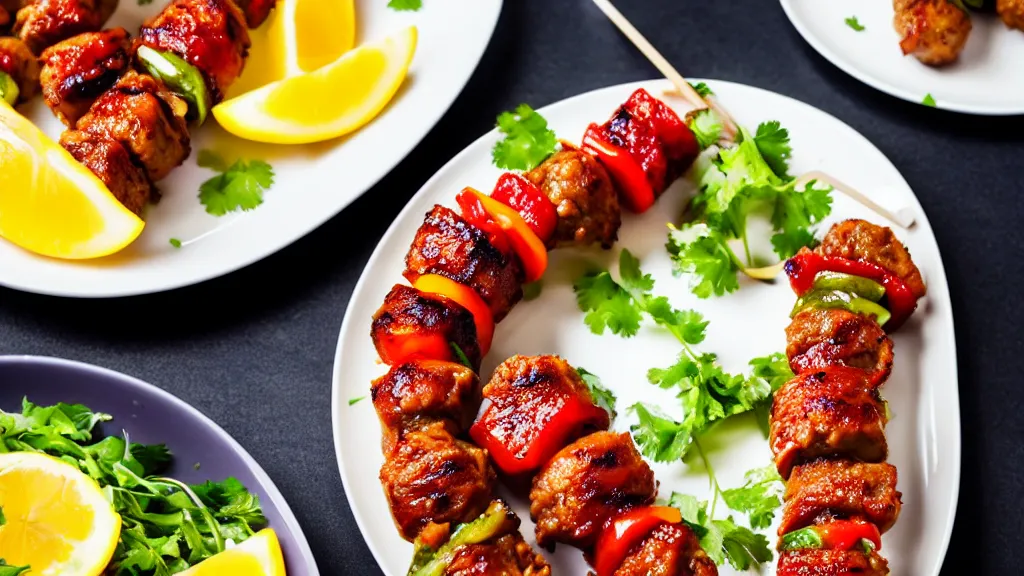 Hamah
HamahLocal cuisine & dishes
Malabo
Hamah
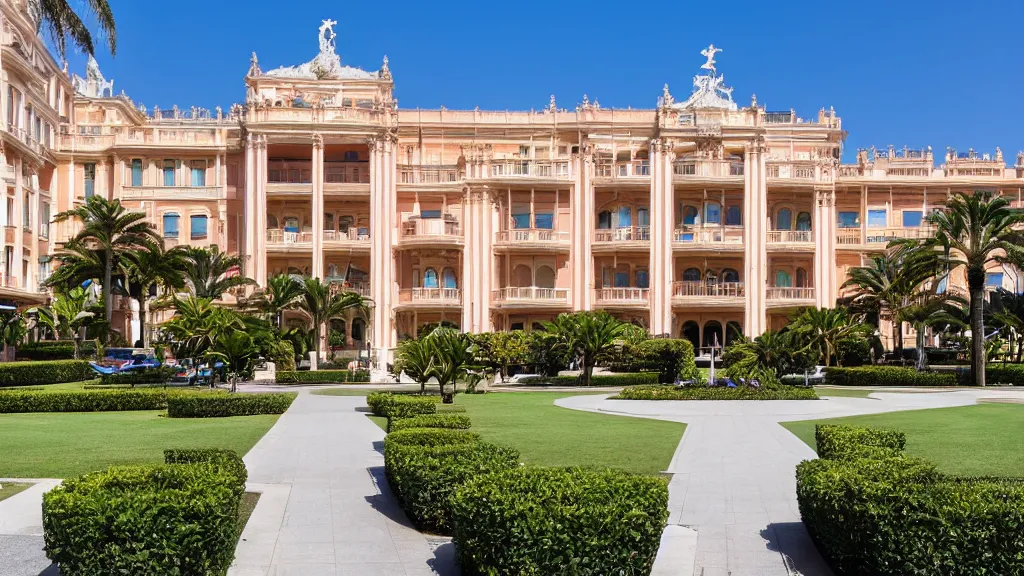 Malabo
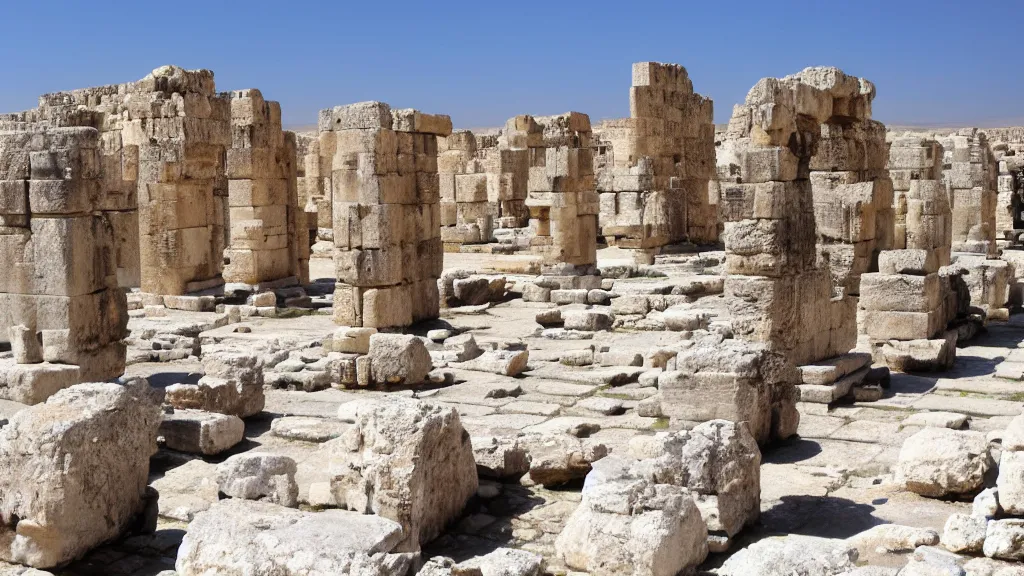 Hamah
HamahTravel & attractions
Malabo
Hamah
Real estate & living comparison
| Malabo | Hamah | |
|---|---|---|
| International Primary School, Annual Tuition per Child | 355.79 USD | 1780.73 USD |
| Apples (1 kg) | 2.49 USD | 0.99 USD |
| Bananas (1 kg) | 1.78 USD | 1.59 USD |
| Bottled Water (0.33 Liter) | 0.44 USD | 0.5 USD |
| Cappuccino (Regular Size) | 4.89 USD | 0.5 USD |
| Annual Mortgage Interest Rate (20-Year Fixed, in %) | 6.8 USD | 14.25 USD |
| GDP Growth Rate: | 5.09 USD | 0.73 USD |
| Cinema Ticket (International Release) | 5.4 USD | 3 USD |
| Monthly Fitness Club Membership | 35.58 USD | 2 USD |
| Taxi 1 Hour Waiting (Standard Tariff) | 8.89 USD | 7.69 USD |
| Taxi 1 km (Standard Tariff) | 0.89 USD | 1.5 USD |
| Broadband Internet (Unlimited Data, 60 Mbps or Higher) | 17.79 USD | 55 USD |
| Mobile Phone Plan (Monthly, with Calls and 10GB+ Data) | 17.55 USD | 7.58 USD |
| Population | 297,000 | 696,863 |
Last updated: 2026-04-05T11:44:10+00:00
Comments for this comparison