
Patiāla vs. Quy Nhơn: Detailed 2026 Cost of Living & Quality Comparison
 Patiala
Image by:Naveen Sharma
Patiala
Image by:Naveen Sharma
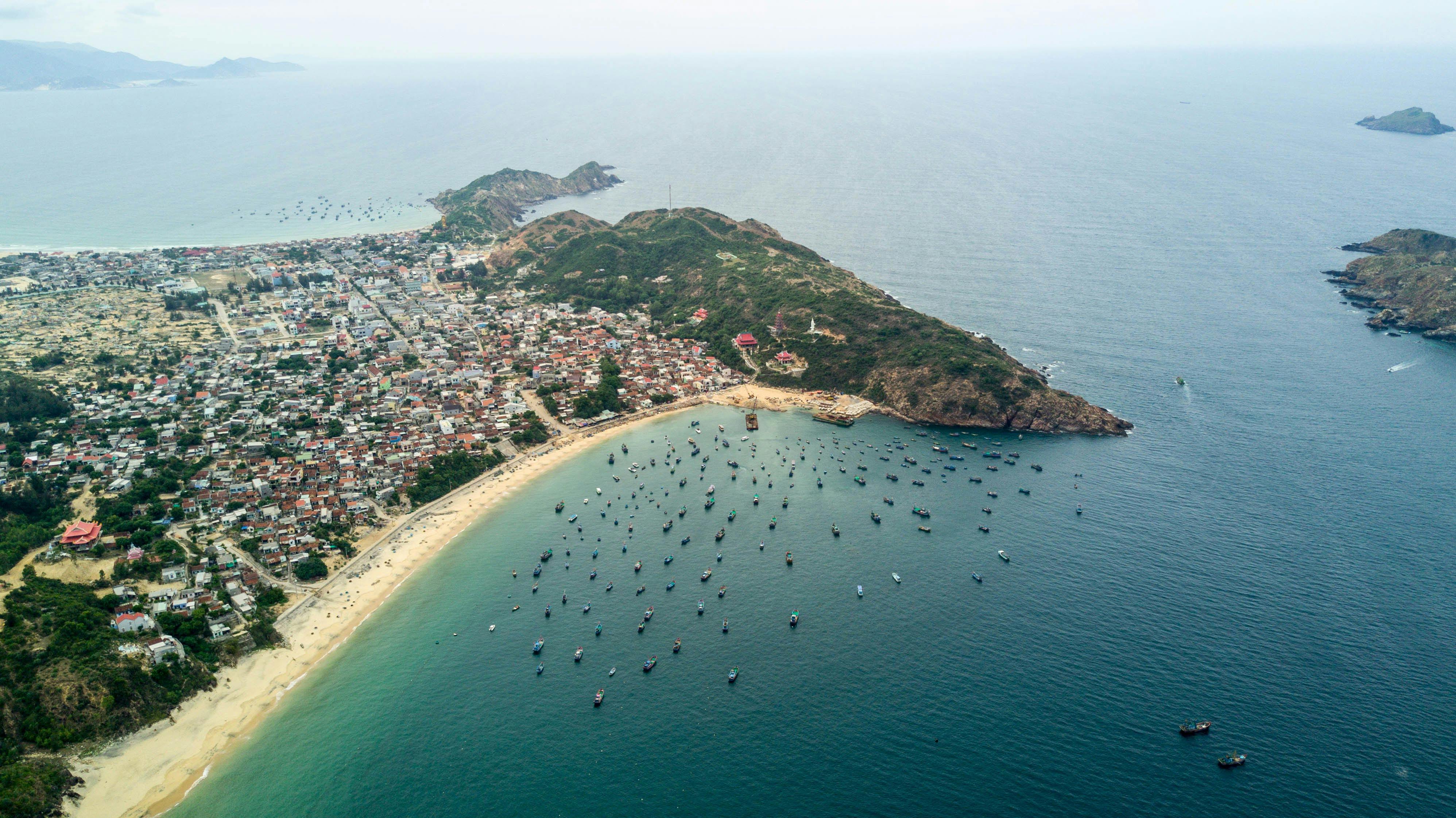 Quy Nhon
Image by:Lam Phn
Quy Nhon
Image by:Lam Phn
Patiāla presents a distinct economic profile compared to Quy Nhơn, operating within a larger Indian metropolitan context versus a developing Vietnamese coastal city. Its GDP per capita stands higher at $9,200, reflecting a more established economic base, and it boasts a robust 8.15% GDP growth rate, indicating dynamism. However, this economic environment translates to a lower average net monthly salary of $344.51, suggesting a potentially different cost-benefit structure. Housing costs in Patiāla are notably lower, with city-center property prices averaging just $5,855.23 per square meter. While Quy Nhơn's property prices are presented in indices ($214.46, $294.83), direct dollar-per-square-meter figures aren't provided, making precise comparison difficult, but the implication is that real estate is more expensive than in Patiāla. Crucially, cost of living indices consistently place Patiāla significantly lower than Quy Nhơn, suggesting that despite the lower salary, overall expenses are substantially less in Patiāla.
The quality of life differs markedly between the two cities, with significant trade-offs evident. Patiāla shows a higher Health Care Index (59.44), potentially indicating better access or quality of healthcare services compared to Quy Nhơn's implied indices. However, its Safety Index (52.25) is considerably lower than international benchmarks, raising concerns about personal security. Quy Nhơn, conversely, reports a much lower Pollution Index (71.89), implying cleaner air and a potentially healthier environmental factor for residents. Leisure expenses vary, with cinema tickets slightly cheaper in Quy Nhơn ($3.05) than Patiāla ($3.81). Yet, childcare costs are significantly higher in Quy Nhơn ($160.38/month for preschool and $15,000/year for international school) than in Patiāla ($120.13/month and $1,196.73/year). Therefore, while Quy Nhơn offers cleaner air, it presents substantially higher childcare costs, and Patiāla, despite safety issues, appears more affordable overall and potentially offers better healthcare access based on the available indices.
For career and investment considerations, Patiāla's higher GDP growth rate (8.15%) and lower property prices suggest potential opportunities, particularly for those already situated in or targeting northern India. The lower cost of living index further enhances affordability for individuals or families choosing to reside there, despite the lower average net salary. Quy Nhơn, while facing challenges like a higher mortgage interest rate (10.67%) which could hinder property investment, might offer niche opportunities within Vietnam's developing economy, especially given its coastal location. However, the data lacks detailed insights into the job market or specific industry strengths in either city, leaving these crucial factors for further investigation by potential investors or job seekers.
The housing gap between Patiāla and Quy Nhơn is significant, primarily in terms of price. Patiāla's average city-center property price is $5,855.23 per square meter, substantially lower than Quy Nhơn's figures, though the latter are given in indices rather than direct dollar-per-square-meter comparisons. Quy Nhơn's higher property costs, combined with its already elevated cost of living index compared to Patiāla, point towards significantly more expensive long-term financial commitments for homeownership. The lower mortgage interest rate in Patiāla ($5.75%) compared to Quy Nhơn's 10.67% further reduces the borrowing costs associated with purchasing property in India, adding to the overall affordability advantage Patiāla holds in this specific aspect.
Ultimately, the decision between Patiāla and Quy Nhơn hinges on prioritizing different factors. Patiāla offers a lower cost of living, potentially superior healthcare access, and a dynamic economy with affordable housing, making it an attractive option for budget-conscious individuals or families already within India, despite safety concerns. Quy Nhơn provides cleaner air but comes with significantly higher living costs, particularly for childcare and property, and faces barriers like high mortgage rates. The data presented underscores the need for further investigation into job market opportunities and detailed healthcare infrastructure in Quy Nhơn for a definitive recommendation, as the cities cater to fundamentally different needs and risk profiles.
 Patiala
 Quy Nhon
Local cuisine & dishes
Patiala
Quy Nhon
 Patiala
 Quy Nhon
Travel & attractions
Patiala
Quy Nhon
Real estate & living comparison
| Patiala | Quy Nhon | |
|---|---|---|
| International Primary School, Annual Tuition per Child | 1196.73 USD | 15000 USD |
| Private Full-Day Preschool or Kindergarten, Monthly Fee per Child | 120.13 USD | 160.38 USD |
| Jeans (Levi's 501 or Similar) | 27.2 USD | 35.32 USD |
| Men's Leather Business Shoes | 29.01 USD | 76.37 USD |
| Apples (1 kg) | 2.25 USD | 2.54 USD |
| Bananas (1 kg) | 0.48 USD | 1.07 USD |
| Bottled Water (0.33 Liter) | 0.19 USD | 0.32 USD |
| Cappuccino (Regular Size) | 1.63 USD | 1.57 USD |
| Annual Mortgage Interest Rate (20-Year Fixed, in %) | 8.89 USD | 10.67 USD |
| Cinema Ticket (International Release) | 3.81 USD | 3.05 USD |
| Gasoline (1 Liter) | 1.07 USD | 0.81 USD |
| Taxi 1 Hour Waiting (Standard Tariff) | 2.18 USD | 19.09 USD |
| Basic Utilities for 85 m2 Apartment (Electricity, Heating, Cooling, Water, Garbage) | 52.22 USD | 76.4 USD |
| Broadband Internet (Unlimited Data, 60 Mbps or Higher) | 8.72 USD | 6.97 USD |
| Population | 763,280 | 311,000 |
Last updated: 2026-04-05T11:58:07+00:00
Comments for this comparison