
Natal vs. Quy Nhon: Detailed 2026 Cost of Living & Quality Comparison
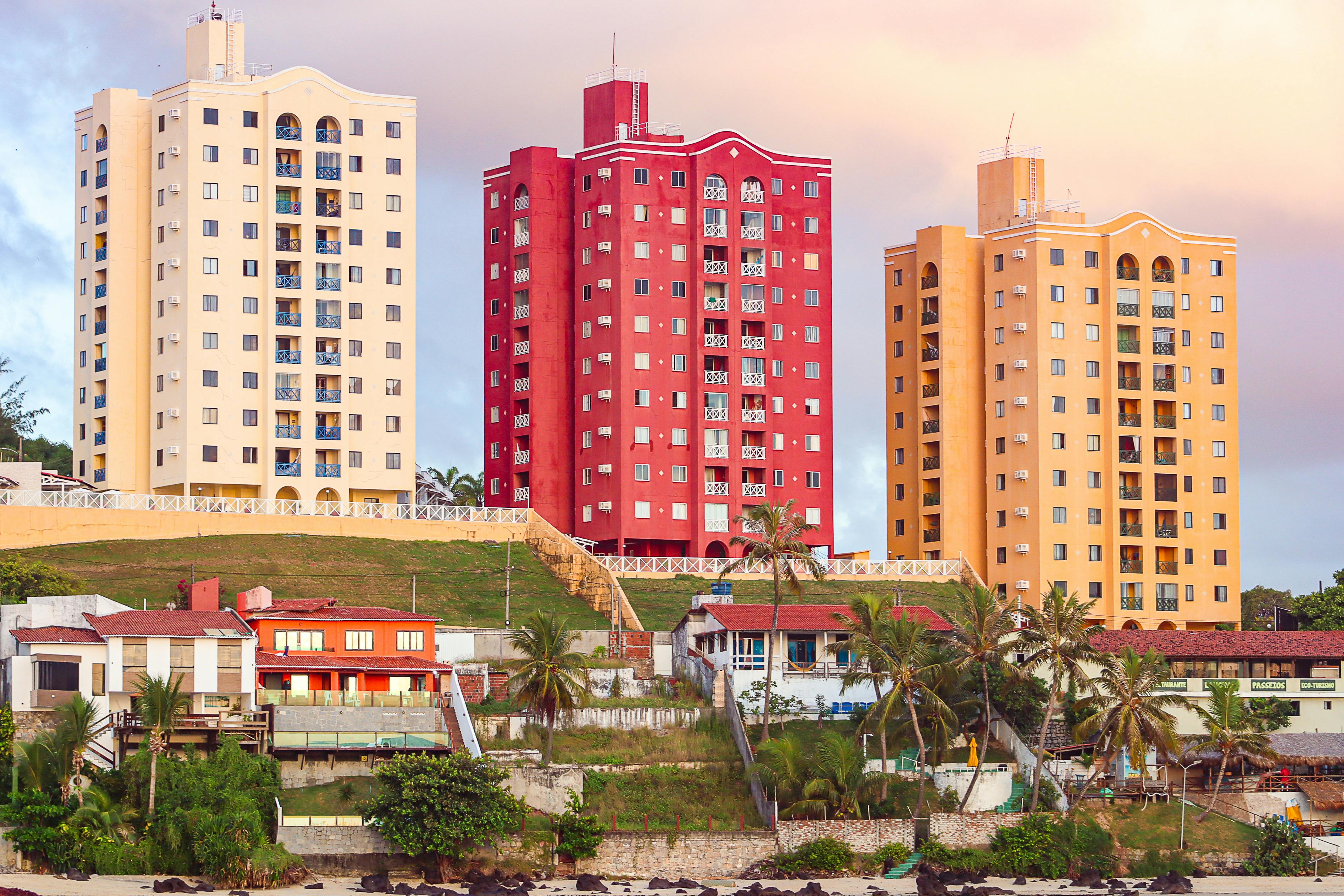 Natal
Image by:Andre Dantas
Natal
Image by:Andre Dantas
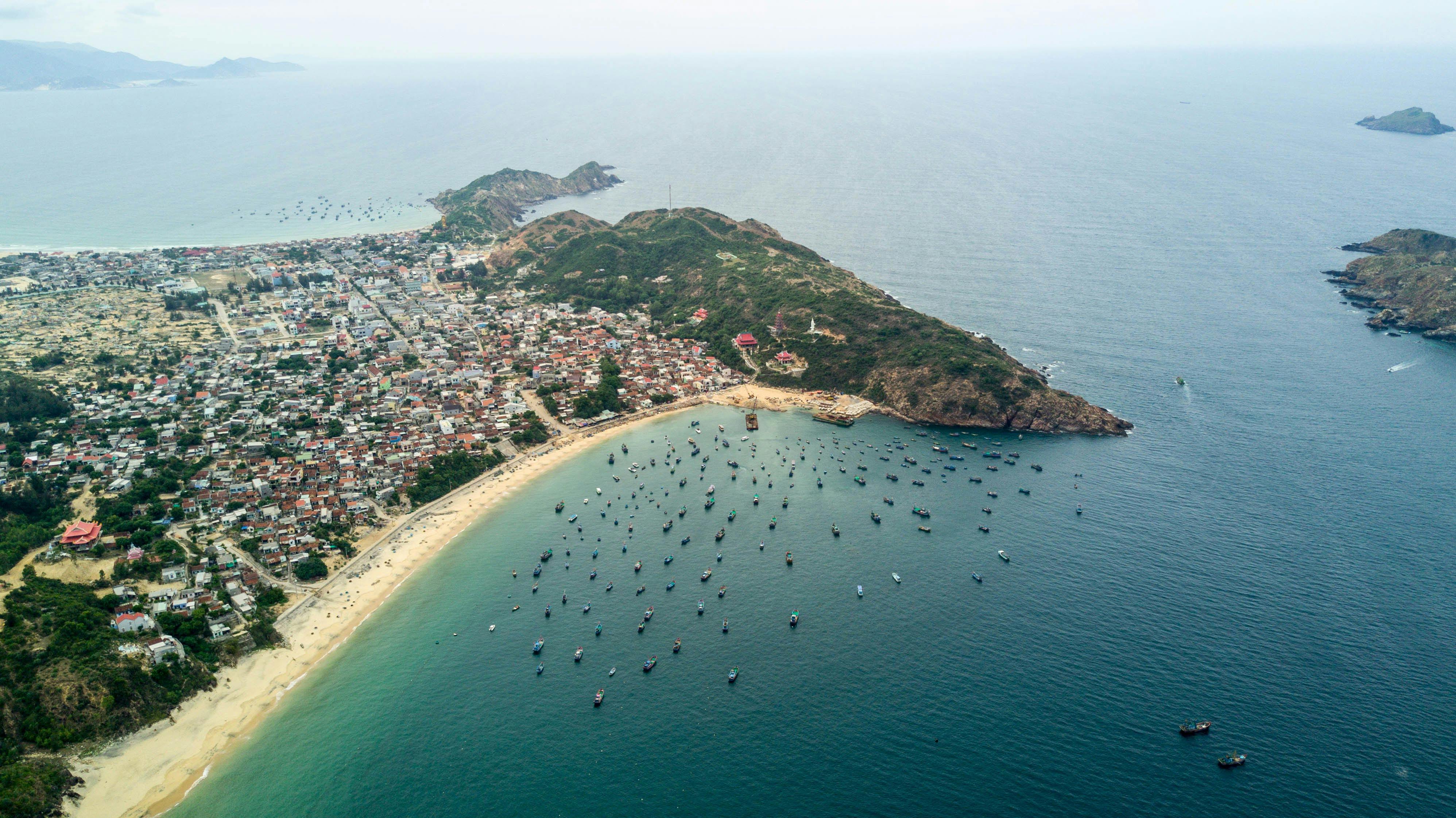 Quy Nhon
Image by:Lam Phn
Quy Nhon
Image by:Lam Phn
Natal presents a more established economic profile, evidenced by its higher GDP per capita of $19,000 compared to Quy Nhon's less specified figures. However, Quy Nhon shows a faster pace of growth, potentially indicating future development potential. The most pronounced difference lies in affordability. Natal's cost of living is significantly lower, particularly for food, transportation, and basic utilities. This translates directly to housing, where property prices in Natal range from $35,990 to $332,120, substantially cheaper than Quy Nhon's range of $153,430 to $316,900. While Quy Nhon's mortgage interest rate is notably higher at 10.67%, Natal's lower property costs combined with its potentially lower operational expenses make it the clear winner for budget-conscious individuals or businesses seeking to minimize overheads in 2026.
The gap in housing costs is stark: Natal's most expensive properties are still considerably less costly than the least expensive options in Quy Nhon. For instance, the cheapest homes in Quy Nhon start significantly higher than the most affordable properties found in Natal's more peripheral areas. This disparity underscores Natal's advantage for those prioritizing financial accessibility in their primary residence or investment, despite Quy Nhon's potentially faster development trajectory.
Assessing quality of life reveals contrasting strengths. Natal excels in fundamental safety (scoring 68.1) and healthcare (scoring 72.3), offering a more secure environment and better public health access. Quy Nhon, conversely, has a higher overall quality of life index (214.46), but this is less transparent due to the lack of detailed supporting metrics. Available data suggests Quy Nhon faces challenges in environmental quality and healthcare quality, potentially impacting long-term well-being. While Quy Nhon might offer a more vibrant social scene in specific areas, the data points towards Natal providing a more stable and secure foundation for daily living concerning personal safety and health services.
Natal dominates the cost of living comparison. Daily expenses like food, public transport, and utilities are cheaper here than in Quy Nhon. Even childcare, though slightly less costly in Quy Nhon ($160.38/month compared to Natal's $220.68/month), doesn't offset the overall lower cost base in Brazil. This lower cost structure, alongside the already established housing affordability advantage, positions Natal as an attractive option for minimizing monthly expenditures. Quy Nhon's higher costs are a significant factor for those considering relocation or investment there, despite its potentially higher overall quality of life index.
Ultimately, the choice between Natal and Quy Nhon hinges on priorities. Natal offers superior safety and healthcare alongside significantly lower costs for living and housing. Quy Nhon presents a different profile – potentially faster growth and a higher overall quality of life index, but with substantially higher living expenses and lower scores in critical areas like safety and healthcare. The decision requires weighing the value of a secure, affordable environment against the potential benefits of a higher quality of life index in a developing market, accepting the associated financial implications.
 Natal
Natal Quy Nhon
Local cuisine & dishes
Natal
Quy Nhon
 Natal
Natal Quy Nhon
Travel & attractions
Natal
Quy Nhon
Real estate & living comparison
| Natal | Quy Nhon | |
|---|---|---|
| International Primary School, Annual Tuition per Child | 4640.46 USD | 15000 USD |
| Private Full-Day Preschool or Kindergarten, Monthly Fee per Child | 109.57 USD | 160.38 USD |
| Jeans (Levi's 501 or Similar) | 46.89 USD | 35.32 USD |
| Men's Leather Business Shoes | 74.92 USD | 76.37 USD |
| Apples (1 kg) | 1.35 USD | 2.54 USD |
| Bananas (1 kg) | 0.97 USD | 1.07 USD |
| Bottled Water (0.33 Liter) | 0.62 USD | 0.32 USD |
| Cappuccino (Regular Size) | 2.01 USD | 1.57 USD |
| Annual Mortgage Interest Rate (20-Year Fixed, in %) | 11.67 USD | 10.67 USD |
| Cinema Ticket (International Release) | 7.73 USD | 3.05 USD |
| Gasoline (1 Liter) | 1.2 USD | 0.81 USD |
| Taxi 1 Hour Waiting (Standard Tariff) | 3.41 USD | 19.09 USD |
| Basic Utilities for 85 m2 Apartment (Electricity, Heating, Cooling, Water, Garbage) | 53.47 USD | 76.4 USD |
| Broadband Internet (Unlimited Data, 60 Mbps or Higher) | 17.11 USD | 6.97 USD |
| Population | 751,300 | 311,000 |
Last updated: 2026-04-05T11:24:46+00:00
Comments for this comparison