
Phoenix vs. Ar Ramadi: Detailed 2026 Cost of Living & Quality Comparison
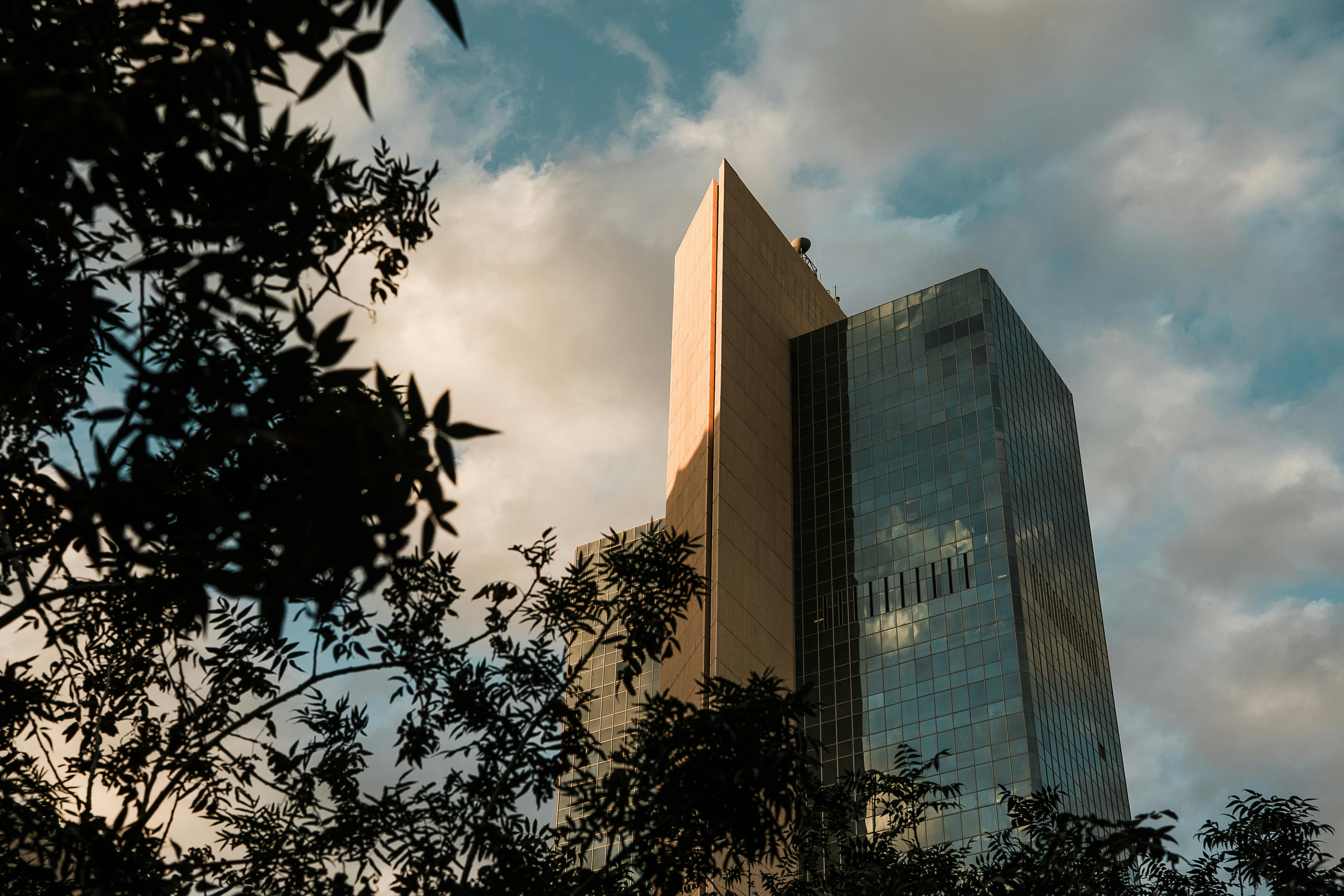 Phoenix
Image by:Roy Serafin
Phoenix
Image by:Roy Serafin
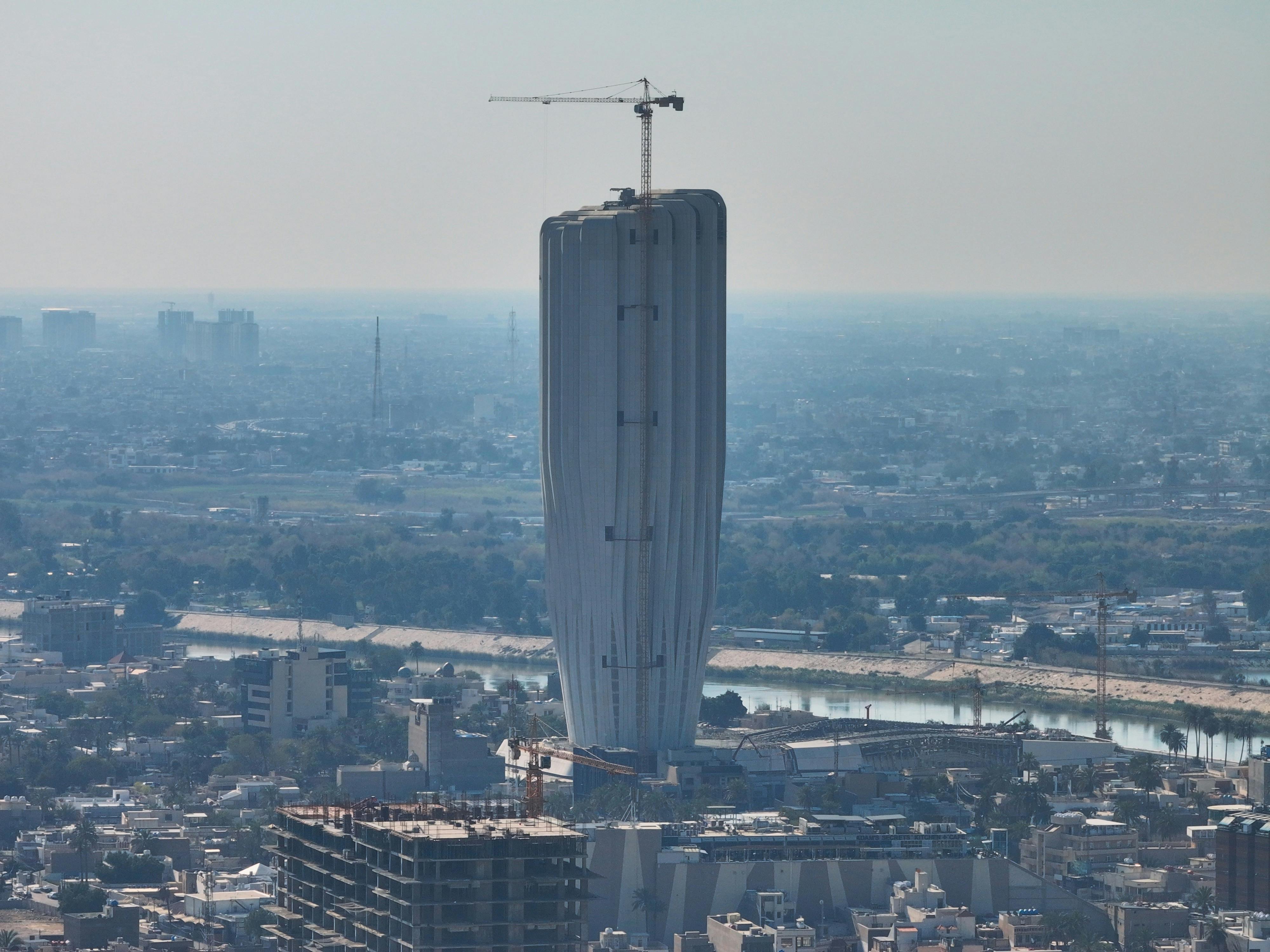 Ar Ramadi
Image by:Aladdin Alhakeem
Ar Ramadi
Image by:Aladdin Alhakeem
Phoenix and Ar Ramadi represent fundamentally different economic and social realities in 2026. Phoenix, a major US metropolitan area with a population over four million, operates within a developed, stable economy characterized by high GDP per capita ($74,600) and moderate growth. Ar Ramadi, a significant Iraqi city with a population of about 874,543, functions in a developing nation facing substantial economic and political headwinds, reflected in its much lower GDP per capita ($12,700) and higher population growth rate (1.99%).
The disparity in living expenses is stark. Phoenix boasts a significantly higher average net salary ($3,982.67 monthly after taxes), supporting a higher cost of living overall. While Phoenix's property prices are relatively high for a developed nation (ranging from $3,265 to $4,775 per square meter), they are still substantially lower than expected elsewhere. Ar Ramadi's property prices are vastly cheaper (ranging from $179 to $393 per square meter), but salaries and the cost of basic goods are correspondingly much lower. The higher population growth in Ar Ramadi suggests underlying demand, but the economic instability likely impacts mortgage accessibility and affordability compared to Phoenix's more stable environment.
Quality of life differs dramatically, particularly concerning safety and healthcare. Phoenix scores a Quality of Life Index of 156.32, indicating an acceptable standard within the US, supported by a relatively high Safety Index (46.86) and a decent Healthcare Index (65.91). Conversely, Ar Ramadi's quality of life metrics paint a grim picture, with indices for its suburbs often exceeding 300, suggesting extremely poor conditions likely linked to insecurity and inadequate services. The stark difference in safety indices underscores the profound gap in living security between these two cities.
For those considering economic opportunities, Phoenix presents vastly superior prospects. Its stable political and economic environment, robust infrastructure, and diversified economy offer greater job security and career advancement potential. The moderate population growth signals steady expansion. Ar Ramadi, however, faces immense investment risks due to political instability and economic sanctions, alongside limited and precarious career opportunities, significantly lower salaries, and an uncertain investment climate.
Ultimately, Phoenix and Ar Ramadi are worlds apart. Phoenix offers a high standard of living underpinned by safety, better healthcare, and significant economic opportunities within a developed framework. Ar Ramadi presents much lower costs for basic necessities and property but confronts severe challenges regarding safety, economic instability, political uncertainty, and public services. The choice between them rests heavily on an individual's tolerance for risk and acceptance of basic service levels, with Phoenix being the clear choice for most seeking safety, stability, and a developed standard of living.
 Phoenix
 Ar Ramadi
Local cuisine & dishes
Phoenix
Ar Ramadi
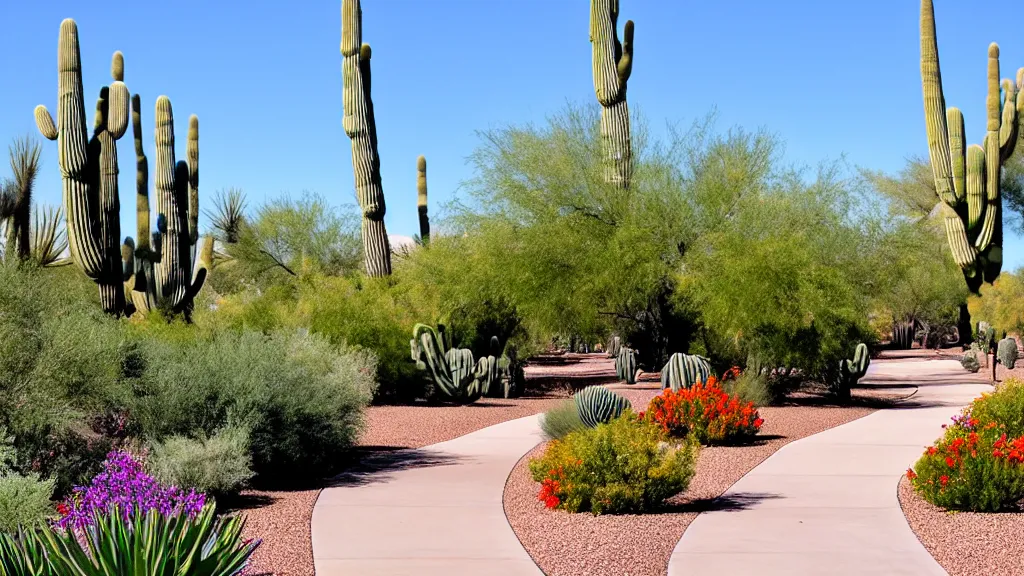 Phoenix
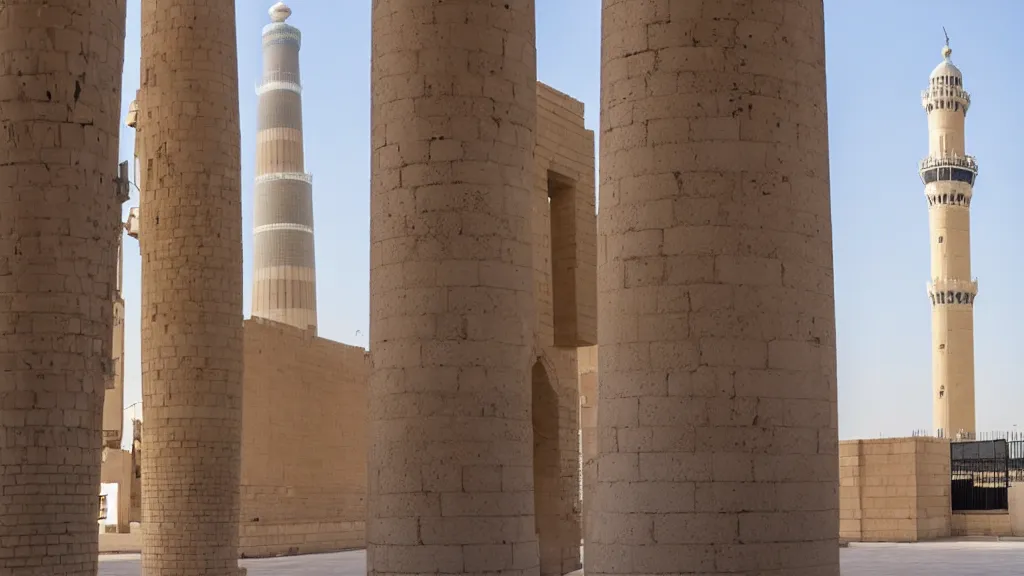 Ar Ramadi
Travel & attractions
Phoenix
Ar Ramadi
Real estate & living comparison
| Phoenix | Ar Ramadi | |
|---|---|---|
| Apples (1 kg) | 5.25 USD | 1.14 USD |
| Bananas (1 kg) | 1.86 USD | 1.14 USD |
| GDP Growth Rate: | 2.89 USD | 2.94 USD |
| GDP Per Capita ($) : | 74600 USD | 12700 USD |
| Population | 4,065,338 | 874,543 |
Last updated: 2026-04-05T17:39:15+00:00
Comments for this comparison