
Quetzaltenango vs. Ouagadougou: Detailed 2026 Cost of Living & Quality Comparison
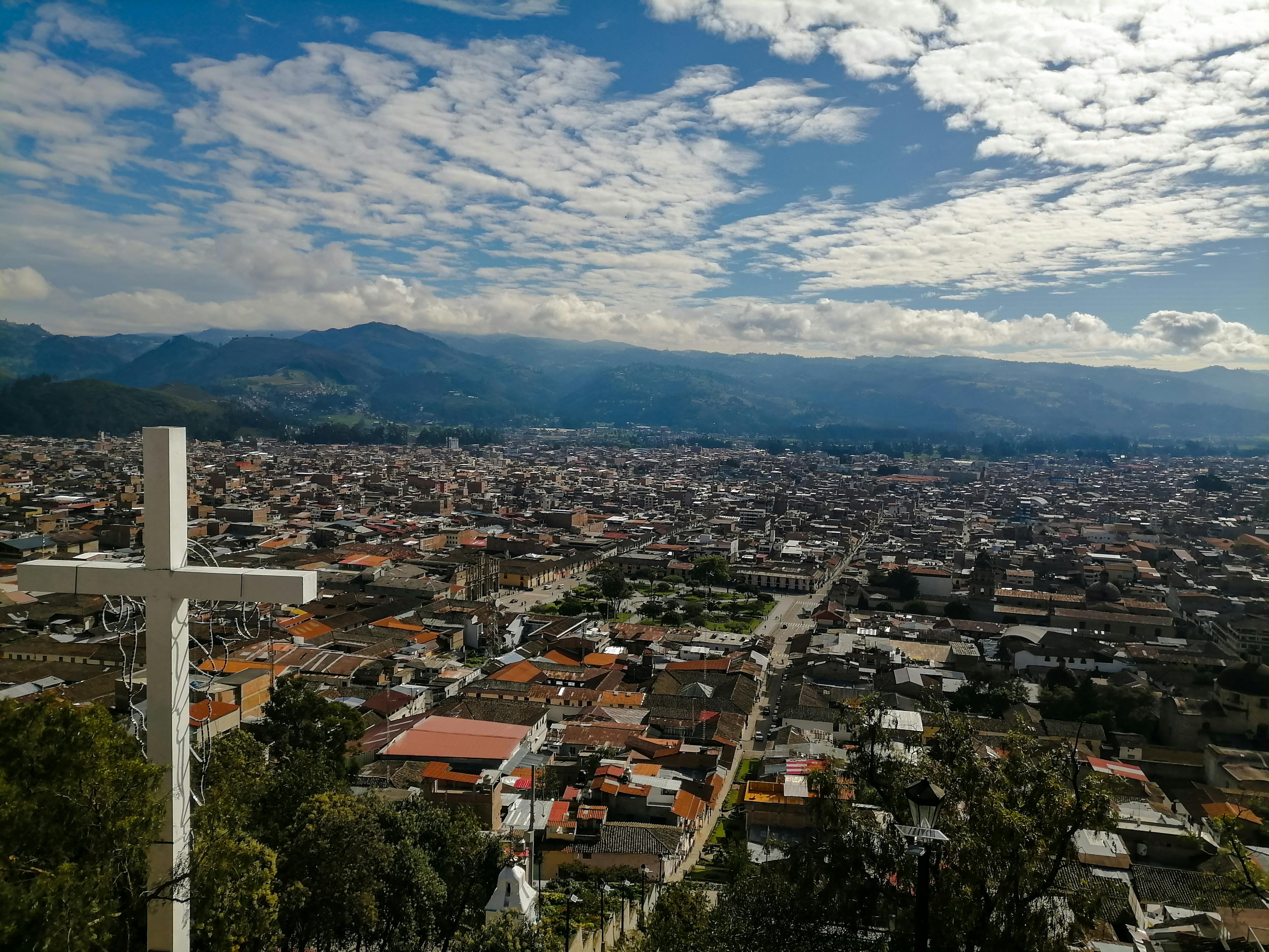 Quetzaltenango
Image by:David Diaz
Quetzaltenango
Image by:David Diaz
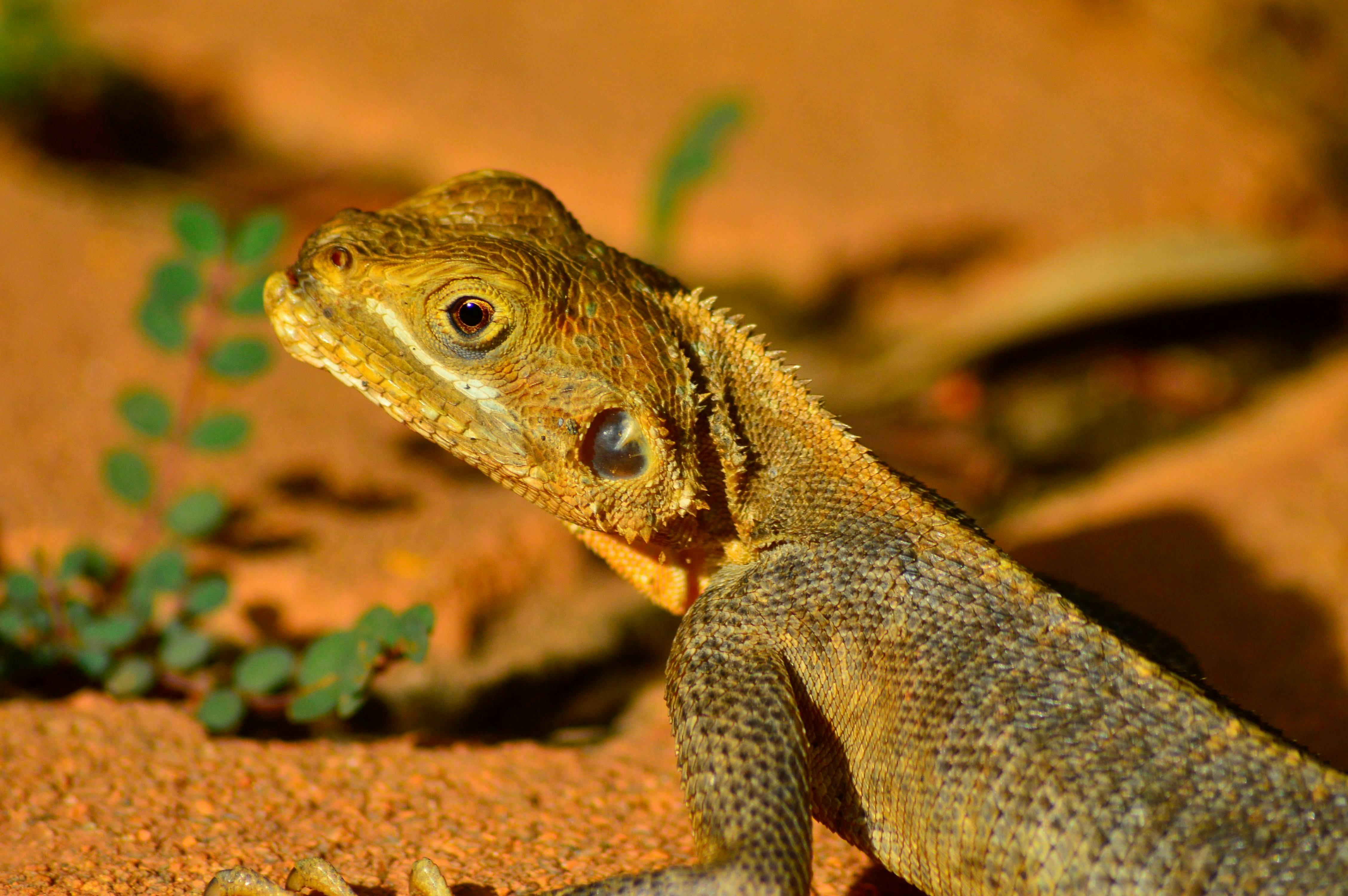 Ouagadougou
Image by:Ole Dahl Rasmussen
Ouagadougou
Image by:Ole Dahl Rasmussen
Quetzaltenango and Ouagadougou present fundamentally different urban experiences, shaped by distinct economic contexts. Guatemala's GDP per capita of $12,400 underpins Quetzaltenango, while Burkina Faso's significantly lower figure of $2,500 reflects the capital's economic environment. This disparity isn't just statistical; it directly influences the cost of living. Basic groceries and transportation costs are substantially lower in Ouagadougou, reflecting its lower economic base. However, the housing market shows an unexpected twist: while Ouagadougou's overall cost of living is lower, Quetzaltenango offers notably cheaper rent, particularly for city-center apartments, and significantly more affordable property prices. This suggests that for basic urban accommodation, Quetzaltenango might be surprisingly accessible despite its higher GDP, though Ouagadougou remains cheaper for most essentials outside the home.
The quality of life comparison reveals stark contrasts, particularly concerning health, environment, and daily routines. Healthcare access is considerably superior in Ouagadougou, indicated by its higher healthcare index score. Conversely, Quetzaltenango offers significantly better climate comfort and much shorter commute times. Environmental quality also favors Quetzaltenango, with lower pollution levels. Safety appears comparable between the two cities based on their identical safety index scores. Notably, Ouagadougou boasts specific neighborhoods with exceptionally high quality-of-life scores, rivaling the best in Quetzaltenango, suggesting pockets of superior living conditions exist in the capital, despite broader differences.
Economic development and investment potential differ markedly between the two cities. Ouagadougou demonstrates faster economic expansion with a higher GDP growth rate, hinting at potentially stronger future prospects despite its lower current base. Quetzaltenango, however, boasts superior infrastructure, evidenced by higher broadband costs and more reliable utilities. Education also favors Ouagadougou, offering international primary school options, albeit at a cost that, while higher than Quetzaltenango's kindergarten fees, might be offset by broader opportunities. For career seekers, Quetzaltenango presents a higher earning potential relative to its GDP, though Ouagadougou's lower cost of living makes its lower average net salary ($485.88) more sustainable than Quetzaltenango's higher salaries would be against its significantly inflated costs.
The core tension between these cities lies in balancing economic opportunity with quality of life and cost. Ouagadougou is the clear winner for those prioritizing affordability, offering substantially lower prices for groceries, transport, and housing, alongside pockets of high neighborhood quality and faster economic growth. Quetzaltenango, conversely, excels in quality-of-life metrics like healthcare access, climate comfort, and potentially safer conditions (given the safety index tie), plus higher earning potential. The trade-off is clear: Ouagadougou offers financial relief but potentially fewer amenities and lower pay; Quetzaltenango offers better prospects and quality but at a significantly higher cost. The choice hinges entirely on individual priorities regarding money, well-being, and career advancement.
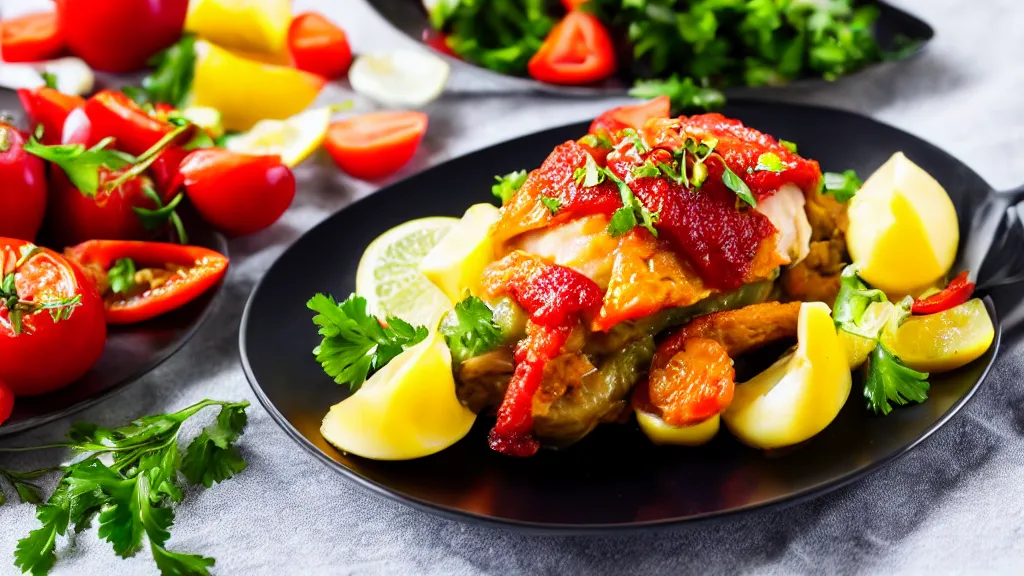 Quetzaltenango
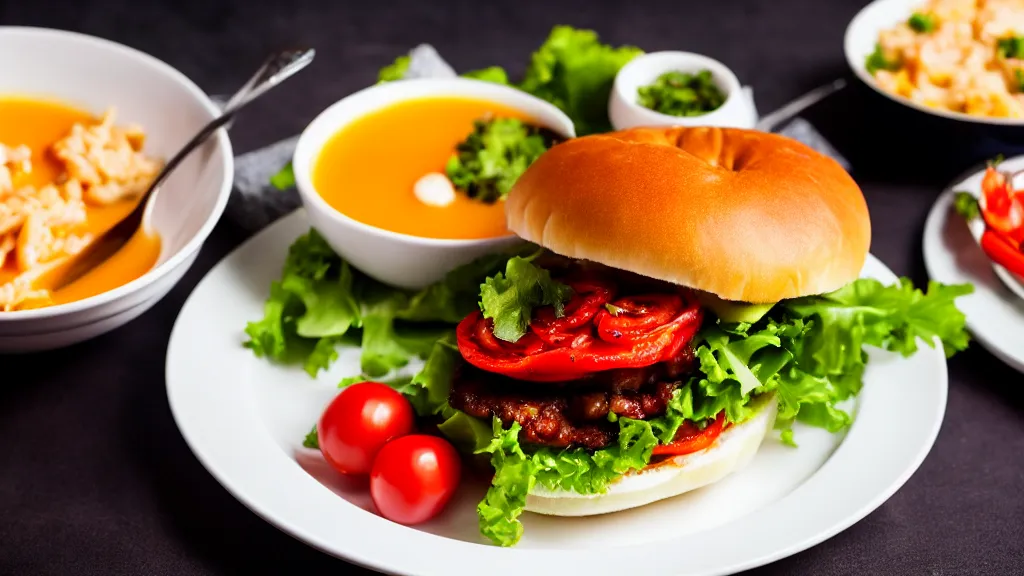 Ouagadougou
Local cuisine & dishes
Quetzaltenango
Ouagadougou
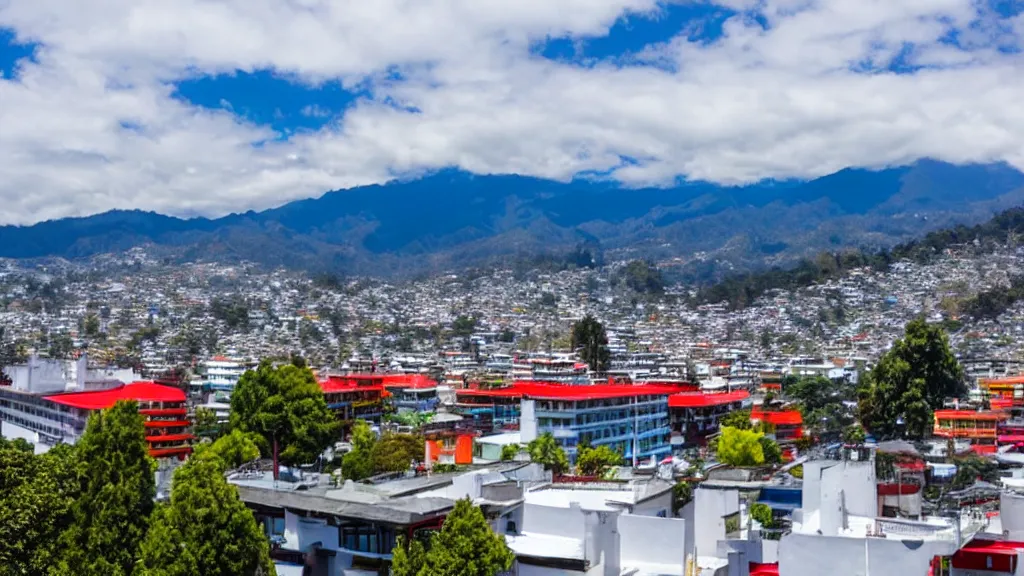 Quetzaltenango
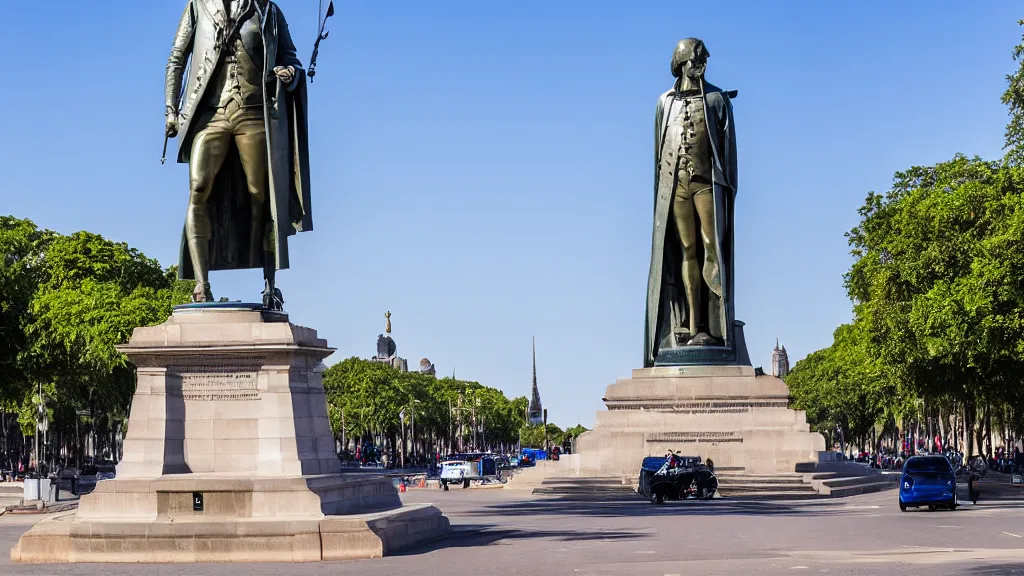 Ouagadougou
Travel & attractions
Quetzaltenango
Ouagadougou
Real estate & living comparison
| Quetzaltenango | Ouagadougou | |
|---|---|---|
| International Primary School, Annual Tuition per Child | 6650.21 USD | 17634.35 USD |
| Apples (1 kg) | 2.87 USD | 4.45 USD |
| Bananas (1 kg) | 1.76 USD | 1 USD |
| 1 Bedroom Apartment in City Centre | 390.68 USD | 474.39 USD |
| 1 Bedroom Apartment Outside of City Centre | 390.68 USD | 278.7 USD |
| Bottled Water (0.33 Liter) | 0.85 USD | 0.68 USD |
| Cappuccino (Regular Size) | 3.43 USD | 1.48 USD |
| GDP Growth Rate: | 3.53 USD | 2.96 USD |
| GDP Per Capita ($) : | 12400 USD | 2500 USD |
| Cinema Ticket (International Release) | 6.45 USD | 8.89 USD |
| Monthly Fitness Club Membership | 32.56 USD | 80.05 USD |
| Gasoline (1 Liter) | 1.08 USD | 1.51 USD |
| Taxi Start (Standard Tariff) | 5.21 USD | 0.53 USD |
| Basic Utilities for 85 m2 Apartment (Electricity, Heating, Cooling, Water, Garbage) | 76.35 USD | 159.22 USD |
| Broadband Internet (Unlimited Data, 60 Mbps or Higher) | 48.07 USD | 50.34 USD |
| Population | 207,620 | 3,063,271 |
Last updated: 2026-04-05T04:51:31+00:00
Comments for this comparison