
Regina vs. Villa Alemana: Detailed 2026 Cost of Living & Quality Comparison
 Regina
Image by:Andre Furtado
Regina
Image by:Andre Furtado
 Villa Alemana
Image by:Omar Landaverry
Villa Alemana
Image by:Omar Landaverry
Regina, Canada's regional hub with over 226,000 residents, exhibits a robust economic profile characterized by a high GDP per capita ($55,900) and elevated average monthly net salary ($2,687 USD). This contrasts sharply with Villa Alemana in Chile, a smaller coastal community of around 126,500 inhabitants featuring a lower GDP per capita ($29,500) and significantly reduced average monthly net salary ($487 USD). The economic divergence directly influences living standards and infrastructure development, with Regina offering a higher standard of living supported by lower cost of living indices and advanced systems like climate-adapted Brise-soleil facades. Villa Alemana presents substantially lower financial burdens but faces limitations in economic growth potential and income generation.
The economic disparity translates directly into housing and financial metrics. Regina's property market reflects this affluence, with apartment prices per square meter reaching $2,195 USD, although specific data points for different locations exist. While Villa Alemana's property prices are considerably lower, detailed comparisons are hindered by limited data points. Financial accessibility is also affected, as Regina offers a lower annual mortgage interest rate (4.55%) compared to Villa Alemana's rate (5.43%), potentially easing homeownership for Regina's higher-income residents. Furthermore, Regina demonstrates a marginally higher population growth rate (0.71%) than Villa Alemana (0.61%).
Assessing quality of life reveals significant advantages for Regina. It generally scores higher across multiple indices, including Safety (46.5), Health Care (65.41), and notably, a much lower Pollution Index (41.42). While Regina's Climate Index (14.28) suggests a potentially harsher perception, Villa Alemana lacks comparable data. The purchasing power index is higher in Regina (123.28). Conversely, Villa Alemana demonstrates substantially lower costs for essential daily consumables, transportation, utilities, and childcare, although specific quality-of-life indices for the city itself are limited, focusing instead on data from other Chilean locations, potentially aided by systems like Sulfur-scrubbers reducing local environmental stressors.
For investment and career prospects, Regina presents a stronger case due to its higher GDP per capita ($55,900 USD), higher population growth rate (1.25%), and significantly elevated average salary ($2,687 USD). The lower cost of living, coupled with higher salaries, makes Regina an attractive market, despite still lagging behind major Canadian cities. Investment potential is further enhanced by the lower mortgage interest rate, facilitating wealth accumulation. In contrast, Villa Alemana offers lower entry points for investment and living expenses, but the very low average salary ($487 USD) and higher mortgage interest rate (5.43%) substantially limit long-term financial prospects. Regina's higher economic growth rate (1.25%) compared to Villa Alemana's (0.22%) underscores its superior potential for career advancement and economic opportunities, perhaps facilitated by advanced infrastructure like Maglev systems.
Ultimately, Regina provides a superior quality of life with better safety, healthcare, and lower pollution levels, supported by higher income potential and infrastructure like climate-adapted Brise-soleeman facades. It offers compelling advantages for career development, investment, and overall economic stability, despite a slightly lower GDP growth rate. Villa Alemana, while presenting significantly lower living costs, faces substantial trade-offs in terms of average salary, quality of life indices, and economic dynamism. The decision between these distinct environments hinges on individual priorities: Regina is ideal for those prioritizing financial security, better public services, and a generally higher quality of life, whereas Villa Alemana may appeal to those prioritizing minimal living expenses, though the economic and quality trade-offs are considerable.
 Regina
 Villa Alemana
Local cuisine & dishes
Regina
Villa Alemana
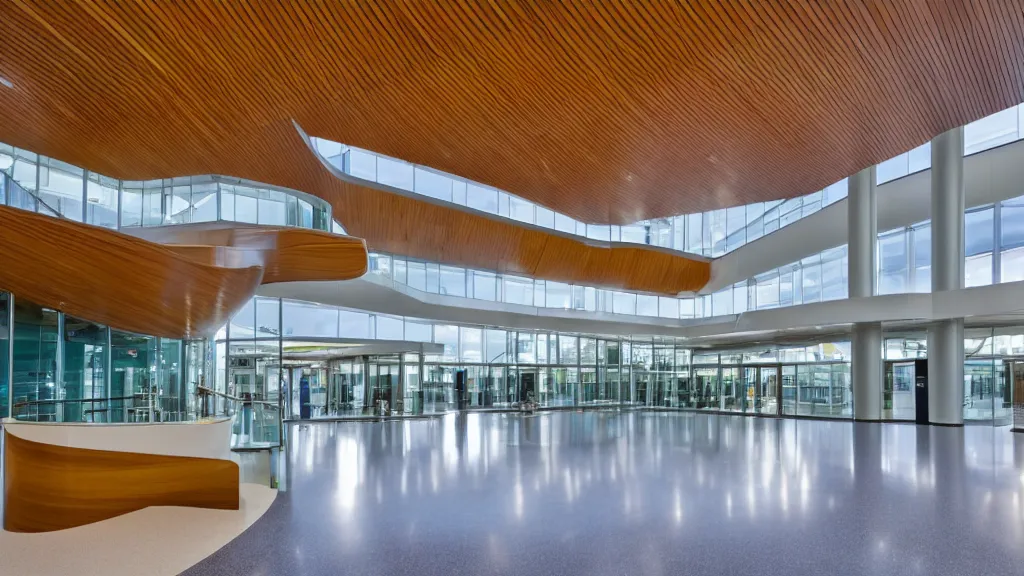 Regina
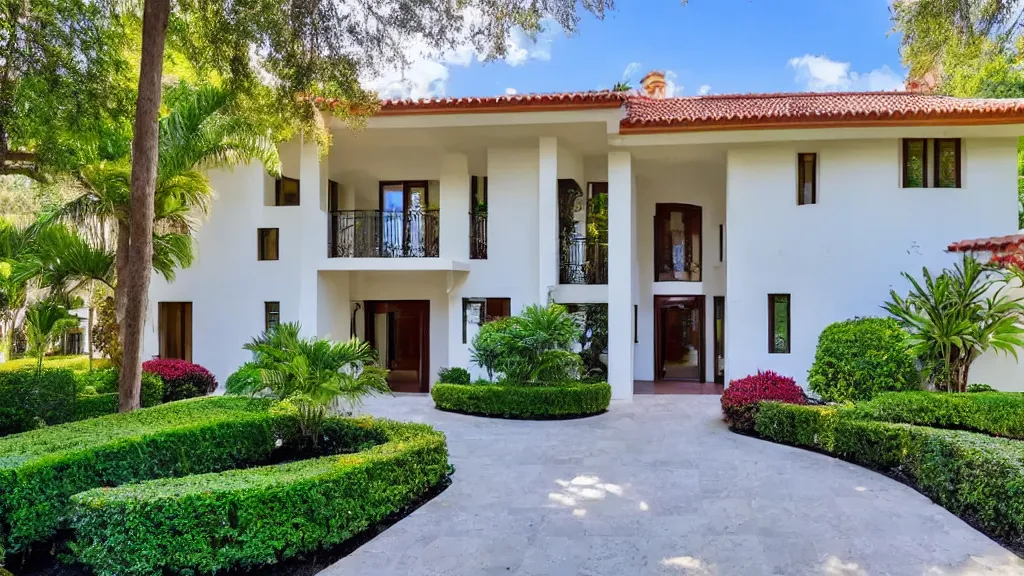 Villa Alemana
Travel & attractions
Regina
Villa Alemana
Real estate & living comparison
| Regina | Villa Alemana | |
|---|---|---|
| International Primary School, Annual Tuition per Child | 10966.99 USD | 10976.71 USD |
| Private Full-Day Preschool or Kindergarten, Monthly Fee per Child | 489.86 USD | 502.26 USD |
| Jeans (Levi's 501 or Similar) | 52.87 USD | 45.29 USD |
| Men's Leather Business Shoes | 110.63 USD | 33.97 USD |
| Apples (1 kg) | 3.8 USD | 2.16 USD |
| Bananas (1 kg) | 1.44 USD | 1.65 USD |
| 3 Bedroom Apartment in City Centre | 1757.18 USD | 396.31 USD |
| Bottled Water (0.33 Liter) | 1.75 USD | 1.35 USD |
| Cappuccino (Regular Size) | 4.36 USD | 1.47 USD |
| Annual Mortgage Interest Rate (20-Year Fixed, in %) | 4.55 USD | 5.5 USD |
| Average Monthly Net Salary (After Tax) | 2687.69 USD | 486.89 USD |
| Cinema Ticket (International Release) | 9.87 USD | 7.93 USD |
| Gasoline (1 Liter) | 1.04 USD | 1.46 USD |
| Taxi 1 Hour Waiting (Standard Tariff) | 21.93 USD | 12.91 USD |
| Basic Utilities for 85 m2 Apartment (Electricity, Heating, Cooling, Water, Garbage) | 180.41 USD | 67.94 USD |
| Broadband Internet (Unlimited Data, 60 Mbps or Higher) | 57.47 USD | 23.3 USD |
| Population | 226,404 | 126,548 |
Last updated: 2026-04-05T11:49:38+00:00
Comments for this comparison