Overview
Cost of Living Index34.6 / 76.1 Rio de Janeiro Melbourne
h2
Rio de Janeiro, situated along the southeastern coast of Brazil, boasts a significantly larger population of approximately 12.6 million inhabitants compared to Melbourne's population of around 5.0 million in Australia. Rio is characterized by its vibrant coastal landscapes, iconic landmarks like Copacabana Beach, and a distinct tropical climate, but it also faces well-documented challenges including significant income inequality, high crime rates, and substantial public debt. Melbourne, located in the southeast of Australia, is renowned as a major global city known for its strong economy, high quality of life, and extensive public transportation network. It presents a more temperate climate and is often perceived as a safer and more orderly metropolis than Rio, although it also experiences its own set of urban challenges related to density and infrastructure.
Economic/Housing Comparison
Health Care Index46.4 / 72.2 Pollution Index67.6 / 28.2 Rio de Janeiro Melbourne
h2
The economic landscape differs markedly between the two cities. Rio de Janeiro's GDP per capita is considerably lower at $59,600, reflecting its larger population and potentially less developed economy compared to Melbourne's higher GDP per capita. Melbourne demonstrates a stronger economic performance with a GDP growth rate of 3.44% and a population growth rate of 1.13%. Regarding housing, Melbourne presents a much more expensive market. The average price per square meter for an apartment in the city center is $7,486.68, rising to $12,972.90 outside the center (converted from AUD). Rio de Janeiro's data on housing costs is less detailed, but the available figures for Melbourne indicate significantly higher property values and rental costs compared to typical Brazilian cities, reflecting the Australian dollar's strength and the city's desirability. The average net monthly salary in Melbourne is $4,337.61 USD, which, while substantial, is considerably lower than the peak property price-to-income ratio observed in some Melbourne suburbs, suggesting a potentially high cost burden for homeownership in the most expensive areas.
Quality of Life Assessment
Property Price to Income Ratio20.3 / 8.1 Purchasing Power Index41 / 148.3 Rio de Janeiro Melbourne
h2
Melbourne consistently scores higher across most quality of life indices provided. Its Quality of Life Index stands at 192.06, significantly higher than the available data for Rio de Janeiro, which lacks comparable metrics. Melbourne excels in the Purchasing Power Index (148.32), indicating higher purchasing power relative to cost of living expenses, the Safety Index (55.75), reflecting lower crime rates and a greater sense of security, and the Health Care Index (72.18), suggesting better public health services. The city also benefits from a moderate Climate Index (94.3) and lower Pollution Index (28.17). Conversely, Rio de Janeiro likely faces challenges in safety, healthcare access, and environmental pollution, although specific data points are not provided, making a direct comparison difficult. Melbourne's lower Traffic Commute Time Index (42.03) also points to generally more efficient public transport and less congested commutes than what might be experienced in Rio.
Investment/Career Outlook
Quality of Life Index82.3 / 192.1 Rio de Janeiro Melbourne
h2
From an investment and career perspective, Melbourne appears more favourable based on the available data. The city offers a lower Annual Mortgage Interest Rate (5.57%) compared to many global financial centers, potentially making property investment more attractive for long-term residents or investors. Melbourne's robust economy and high quality of life likely contribute to a strong job market and higher demand for skilled labour, potentially offering better career prospects and opportunities for professional growth than in Rio, despite the lower average net salary ($4,337.61 USD). Rio's high public debt and significant income inequality could pose risks to long-term economic stability and investment returns. Melbourne's diversified economy and lower cost of living in certain outer-suburban areas (like Doncaster, Epping, etc., with cost of living indices below 35) offer more varied investment and lifestyle options compared to the potentially more concentrated economic and social pressures in Rio.
Final Verdict
Traffic Commute Time Index51.2 / 42 Rio de Janeiro Melbourne
h2
In conclusion, while Rio de Janeiro presents a unique and vibrant cultural experience with a massive population and coastal appeal, the data strongly suggests Melbourne offers a superior overall quality of life and more favourable economic conditions for most metrics examined. Melbourne demonstrates higher purchasing power, significantly better safety, improved healthcare, lower pollution levels, and a more efficient commute, alongside a robust economy and lower mortgage rates. Although Melbourne's property prices and cost of living are considerably higher than those typically found in Rio de Janeiro (based on the comparison data provided), the overall package of safety, health, efficiency, and economic stability makes Melbourne the clear winner in this detailed comparison for those prioritizing a high quality of life and stable economic environment.






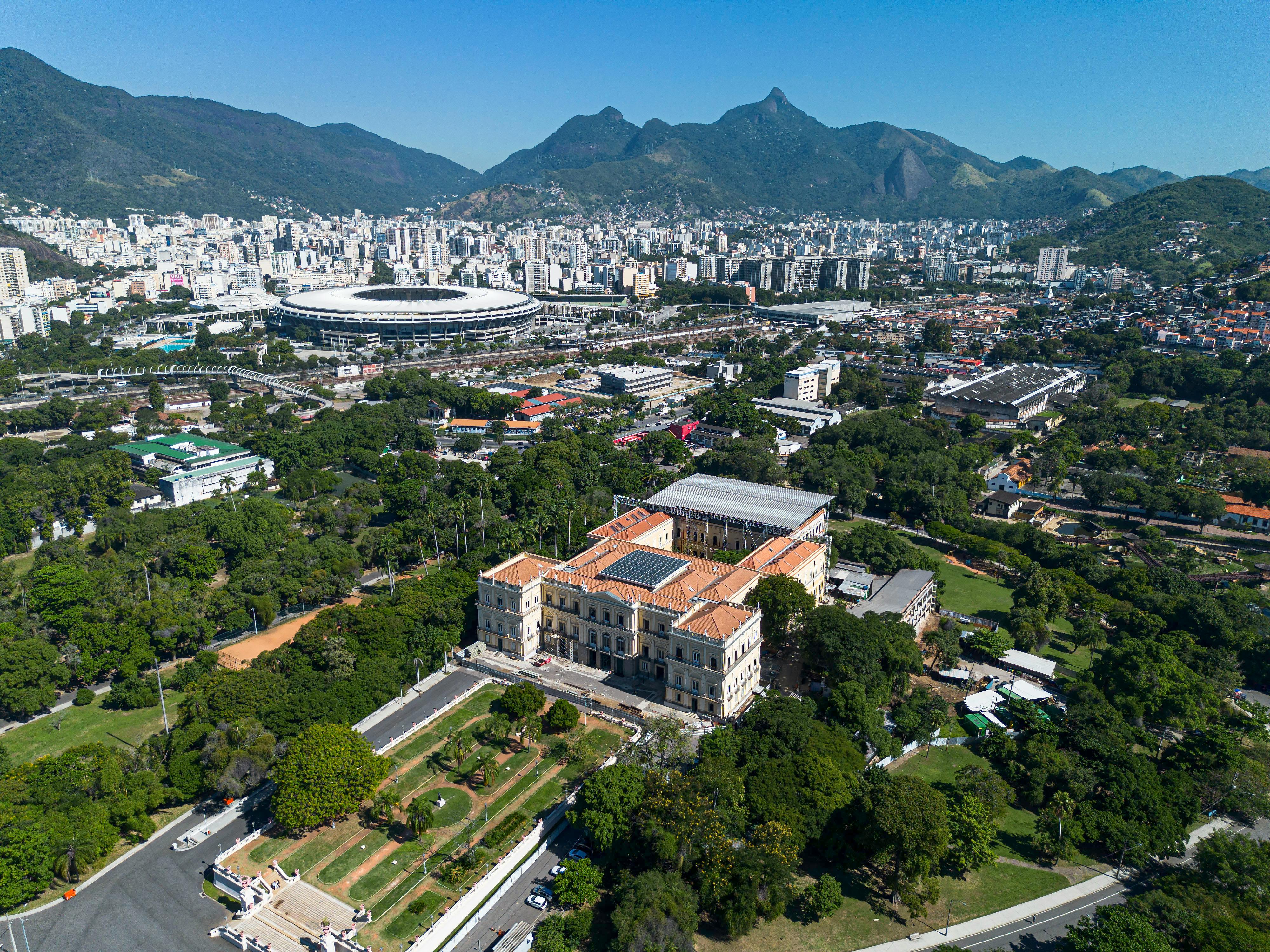 Rio de Janeiro
Image by:Americo Vermelho
Rio de Janeiro
Image by:Americo Vermelho
 Melbourne
Image by:Costa Karabelas
Melbourne
Image by:Costa Karabelas
Comments for this comparison