1. Introduction and Overall Quality of Life
Cost of Living Index48.2 / 74 Riyadh Dallas
h2
This report provides a detailed comparison of the cost of living and quality of life factors between Riyadh, Saudi Arabia, and Dallas, Texas, based on available data. Riyadh, the capital, offers a unique cultural and economic environment with significant government presence and rapid development. Dallas, a major global city in the United States, provides diverse economic opportunities, particularly in technology and energy, alongside a distinct cultural landscape. Key factors analyzed include safety, healthcare, environmental conditions, and recreational options. While Riyadh boasts a lower crime rate and potentially better healthcare access, Dallas generally presents a higher quality of life index in certain areas like safety and job variety, though it faces challenges related to pollution and higher crime rates in specific neighborhoods. The analysis focuses solely on the provided data, offering an objective comparison to aid decision-making.
2. Cost of Living Breakdown
Health Care Index66.2 / 66.5 Pollution Index63.8 / 41.5 Riyadh Dallas
h2
The cost of living in Dallas is significantly higher than in Riyadh across most major categories. For basic groceries, Riyadh offers substantially lower prices, making daily sustenance more affordable. However, dining out, particularly at mid-range restaurants, is considerably more expensive in Dallas. Transportation costs also favor Riyadh, with lower public transport fares and cheaper car prices, although Dallas has a higher annual mortgage interest rate. Utilities represent a major expense in Dallas, with monthly bills for a standard apartment being nearly double those in Riyadh. While Riyadh offers cheaper housing overall, the disparity is most pronounced in the high cost of utilities and dining. Salaries in Riyadh are lower than in Dallas, yet the cost of basic necessities like groceries and public transport is significantly reduced, though housing costs remain a substantial factor.
3. Income, Employment, and Economic Factors
Property Price to Income Ratio5.1 / 6.6 Purchasing Power Index129 / 152.4 Riyadh Dallas
h2
Dallas presents a more lucrative job market for many professions, with a higher average net salary compared to Riyadh. The GDP per capita is also significantly higher in Dallas, reflecting its status as a major global economy center. This translates to potentially higher earning potential for skilled workers across various sectors. Conversely, Riyadh's economy is heavily influenced by government employment, which may offer stability but potentially fewer diverse opportunities compared to the broader private sector base in Dallas. While Riyadh's GDP per capita is lower, the cost of living is also proportionally lower, resulting in a lower net salary figure. The economic environment in Riyadh is characterized by state-driven development, whereas Dallas offers a more diversified and globally competitive market.
4. Safety, Environment, and Infrastructure
Quality of Life Index161 / 179.7 Riyadh Dallas
h2
Safety presents a contrasting picture. Riyadh generally reports a lower crime rate, contributing to a perception of greater safety within the city limits. Dallas, however, experiences higher crime rates, particularly in certain areas, which can impact residents' sense of security. Environmentally, Riyadh faces significant challenges with higher pollution levels, especially air quality, due to desert geography and industrial activity. Dallas also contends with environmental issues, including higher pollution levels and the impacts of a humid subtropical climate, though the specific metrics provided suggest Riyadh may have slightly worse air quality. Infrastructure-wise, both cities have extensive public transport networks, but the data indicates lower public transport costs in Riyadh. Dallas has higher utility costs, reflecting its larger scale and different climate demands.
5. Healthcare, Recreation, and Quality of Life
Traffic Commute Time Index34.1 / 35.3 Riyadh Dallas
h2
Healthcare access and quality are not directly compared in the data, but Riyadh's lower pollution levels could be a relevant factor for respiratory health. Dallas offers a wider range of recreational activities and cultural amenities, contributing to a potentially richer leisure experience. The data also includes specific quality of life metrics for different locations within each city. Dallas neighborhoods like Sherman and Waco report higher quality of life indices compared to some areas in Riyadh, although Riyadh's capital status and development projects also contribute positively. The comparison highlights trade-offs: Riyadh offers lower costs for certain essentials but faces challenges with pollution and safety perceptions, while Dallas provides higher income potential and more diverse amenities but comes with a significantly higher overall cost of living and higher crime rates.






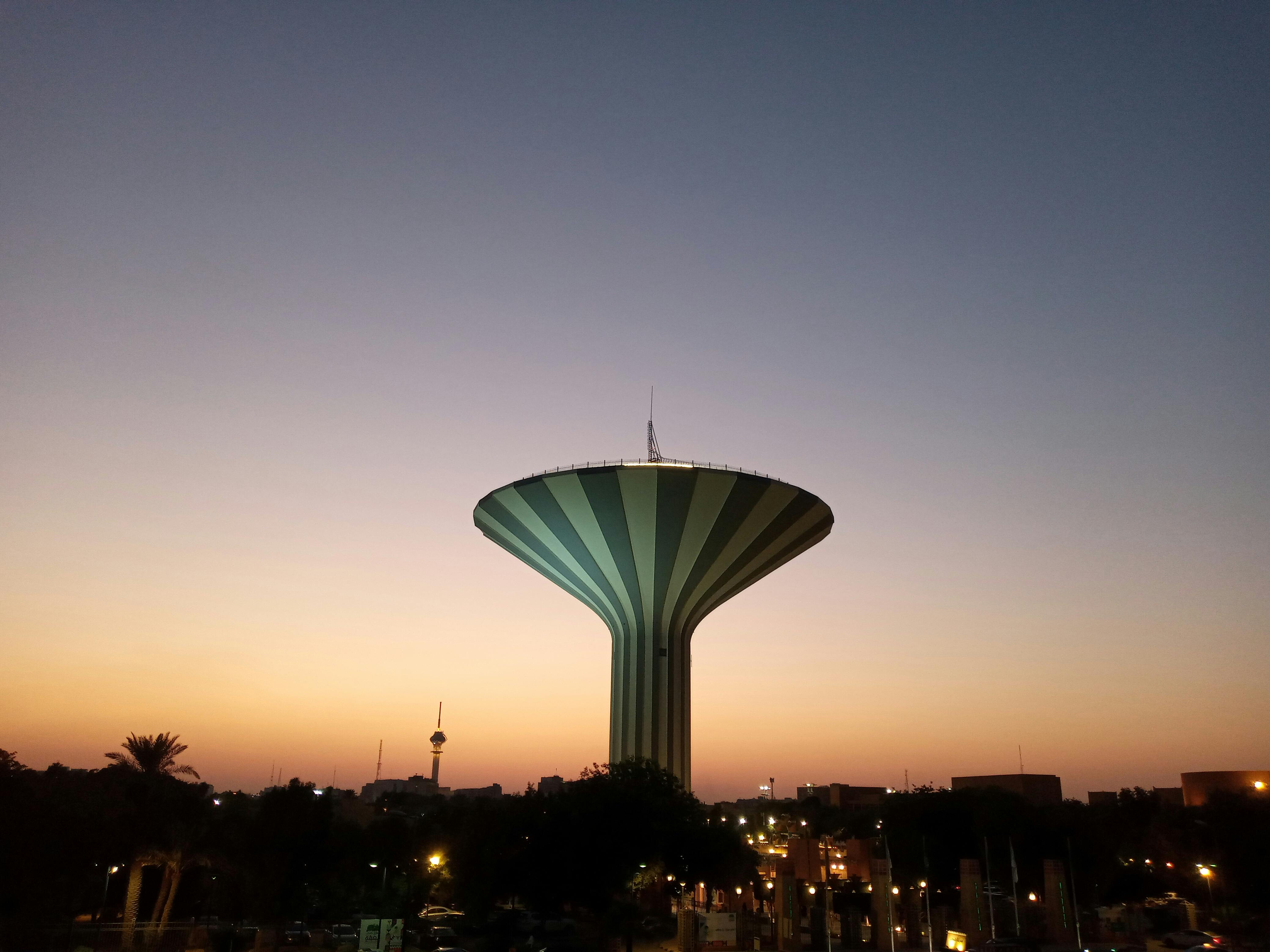 Riyadh
Image by:Alamin Prodhania
Riyadh
Image by:Alamin Prodhania
 Dallas
Image by:Danny Meneses
Dallas
Image by:Danny Meneses
Comments for this comparison