
Şabrātah vs. Nairobi: Detailed 2026 Cost of Living & Quality Comparison
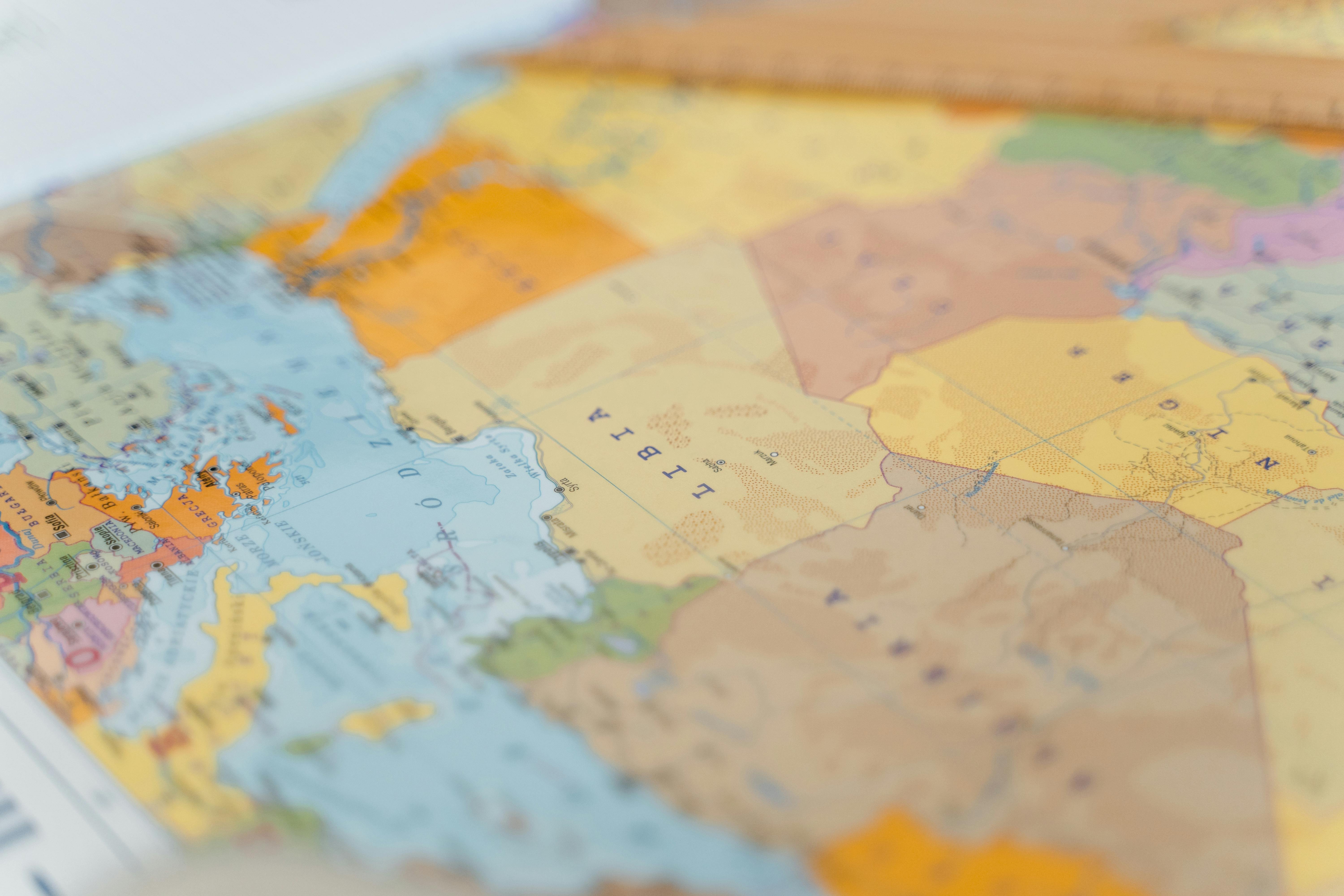 Sabratah
Image by:MART PRODUCTION
Sabratah
Image by:MART PRODUCTION
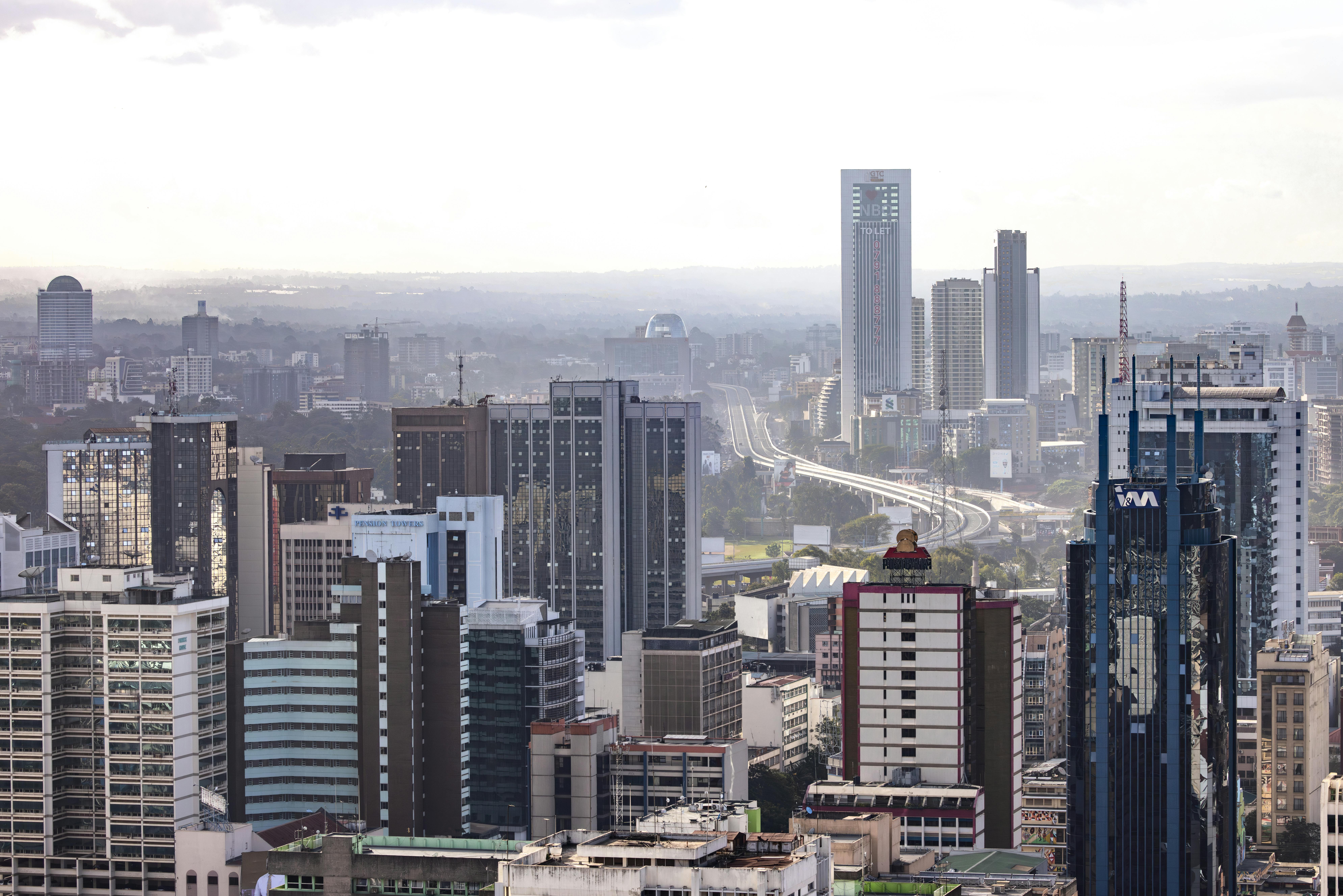 Nairobi
Image by:Ken Mwaura
Nairobi
Image by:Ken Mwaura
Şabrātah offers a starkly different cost of living compared to Nairobi, with fundamental advantages for budget-conscious individuals. Utilities for an 85m² apartment, groceries for staples like bread and rice, and transportation costs including fuel and public transit are significantly cheaper in Şabrātah. While car prices appear unusually low, potentially indicating data anomalies, the overall picture presents Şabrātah as a substantially more affordable daily living environment. This affordability extends dramatically to housing, where Şabrātah boasts some of the lowest global prices for both city-center and outside-center apartments, contrasting sharply with Nairobi's significantly more expensive property market.
The economic landscape further highlights the divide, with Şabrātah presenting a developing economy reflected in its $5700 GDP per capita and very low cost of living, implying a much lower average net salary than Nairobi. Conversely, Nairobi's higher living expenses, including elevated car prices and rent, align with its stronger economic indicators. However, the mortgage interest rate in Nairobi is high, complicating property investment, while Şabrātah's rate remains unspecified but likely reflects its overall lower cost structure.
Assessing quality of life through the available data presents challenges, particularly concerning Şabrātah. While its high GDP per capita and population growth might suggest economic dynamism, these figures seem disproportionate to its known economic status and lack supporting data on safety, healthcare, or environmental quality. Nairobi, despite its higher costs for childcare and international schooling, likely offers more developed public services in these crucial areas, suggesting superior quality of life fundamentals, though direct comparisons for safety and healthcare quality are not possible based on the provided information.
Nairobi emerges as the more conventional economic hub, offering higher potential earnings and presumably more stable career prospects, indicated by its higher GDP per capita and average net salary. Its dynamic economy, signified by its GDP growth rate, might offer more avenues for advancement. Yet, the high mortgage interest rate presents a significant hurdle for property investment, a challenge not explicitly addressed for Şabrātah but implied by its data. Şabrātah's investment potential is overwhelmingly tied to its exceptionally low real estate market, but this is offset by a severe lack of data on the business environment, job security, and long-term career opportunities.
Şabrātah is undeniably a drastically low-cost living location, potentially ideal for those prioritizing extreme affordability, especially for housing. However, this comes with significant caveats: unresolved data anomalies, notably the unrealistically low car prices, and a conspicuous absence of reliable information on healthcare, safety, and career prospects make long-term decisions difficult. Nairobi, while substantially more expensive and facing economic challenges like high interest rates, presents a more data-consistent profile with higher potential earnings and presumably better public services, making it the preferred choice for those valuing conventional quality of life over extreme cost savings.
 Sabratah
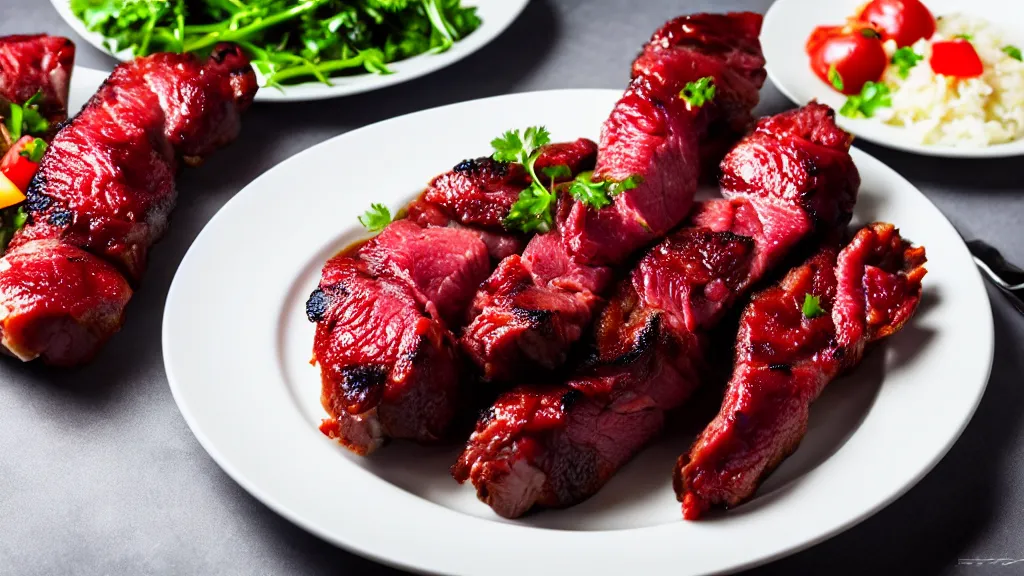 Nairobi
Local cuisine & dishes
Sabratah
Nairobi
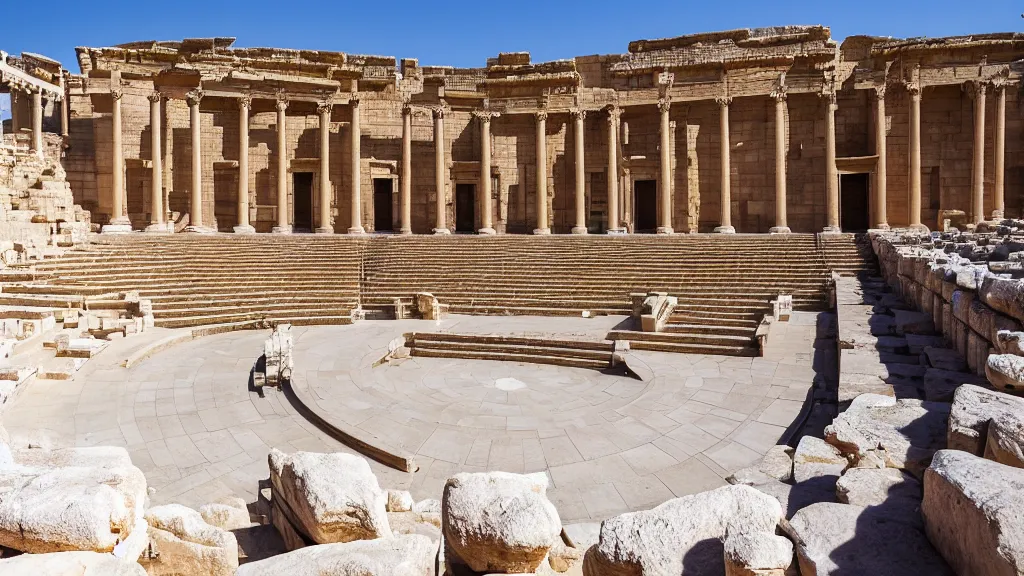 Sabratah
 Nairobi
Travel & attractions
Sabratah
Nairobi
Real estate & living comparison
| Sabratah | Nairobi | |
|---|---|---|
| International Primary School, Annual Tuition per Child | 1158.69 USD | 9038.33 USD |
| Private Full-Day Preschool or Kindergarten, Monthly Fee per Child | 63.17 USD | 219.81 USD |
| Jeans (Levi's 501 or Similar) | 20.82 USD | 19.73 USD |
| Men's Leather Business Shoes | 66.77 USD | 65.48 USD |
| Apples (1 kg) | 2.19 USD | 3.1 USD |
| Bananas (1 kg) | 1.35 USD | 1.01 USD |
| Bottled Water (0.33 Liter) | 0.1 USD | 0.52 USD |
| Cappuccino (Regular Size) | 0.42 USD | 2.46 USD |
| Gasoline (1 Liter) | 0.02 USD | 1.42 USD |
| Taxi 1 km (Standard Tariff) | 0.79 USD | 1.55 USD |
| Basic Utilities for 85 m2 Apartment (Electricity, Heating, Cooling, Water, Garbage) | 94.27 USD | 41.74 USD |
| Broadband Internet (Unlimited Data, 60 Mbps or Higher) | 28.44 USD | 38 USD |
| Population | 102,038 | 5,545,000 |
Last updated: 2026-04-05T15:34:38+00:00
Comments for this comparison