
Sakai vs. Nam Dinh: Detailed 2026 Cost of Living & Quality Comparison
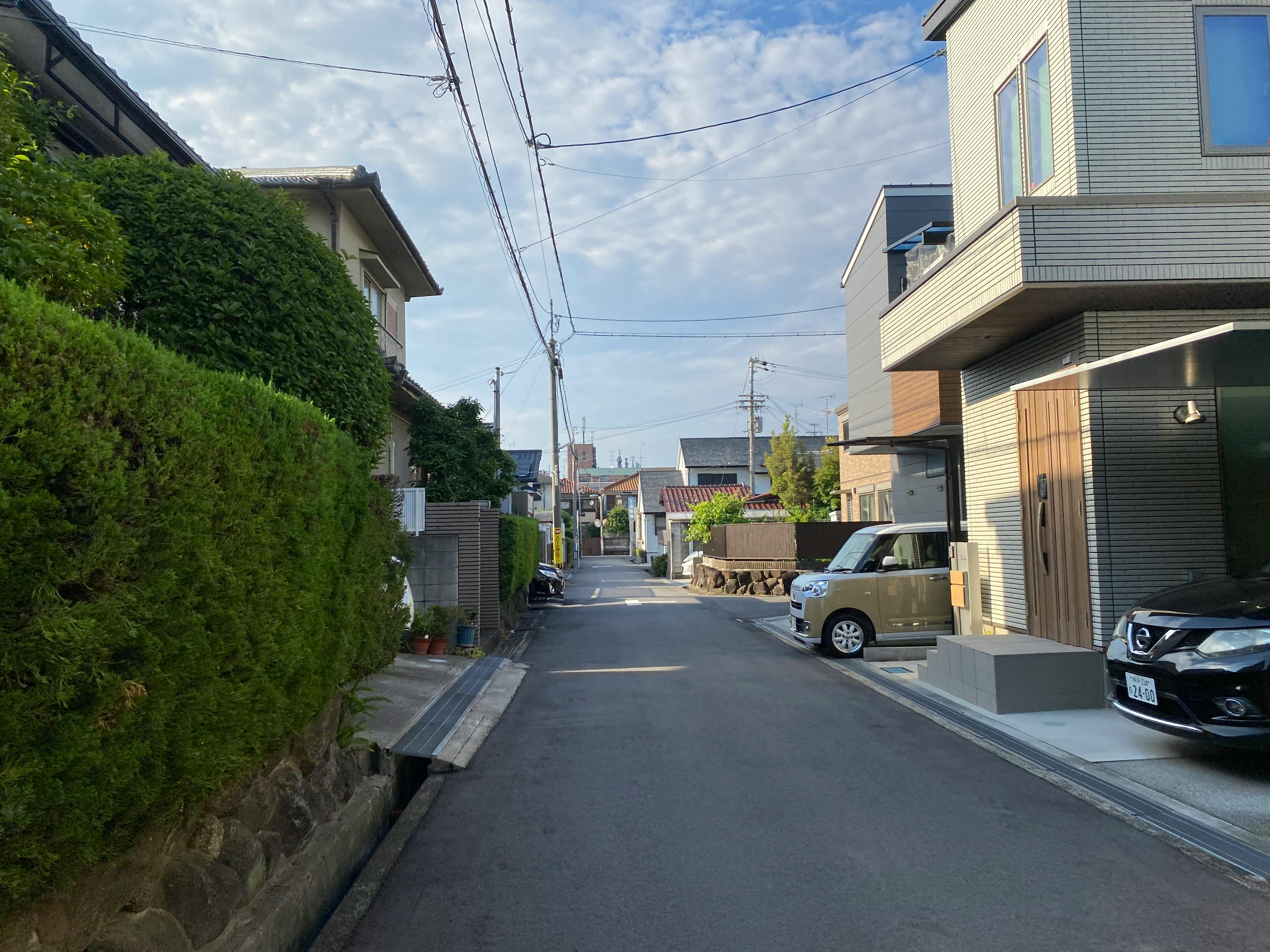 Sakai
Image by:kazuyoshi sakamoto
Sakai
Image by:kazuyoshi sakamoto
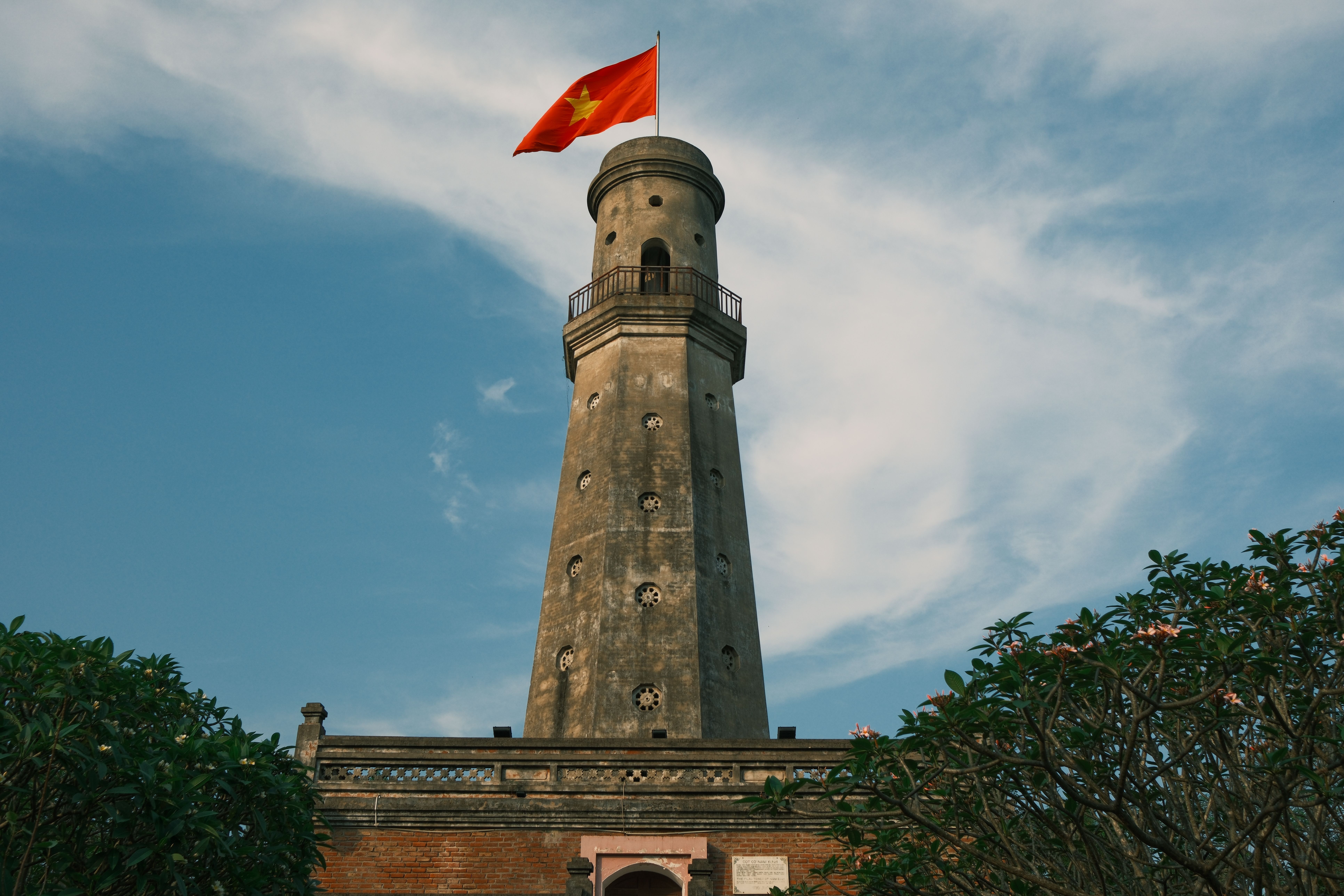 Nam Dinh
Image by:Thuan Pham
Nam Dinh
Image by:Thuan Pham
Sakai in Japan and Nam Dinh in Vietnam represent fundamentally different urban experiences in 2026, largely defined by their national economic contexts. Sakai, part of Japan's highly developed economy, commands significantly higher costs and generally superior quality-of-life indicators compared to Nam Dinh, a city in Vietnam's developing nation. This disparity is immediately apparent in basic living expenses and infrastructure, reflecting the broader economic gap between the two countries.
The economic divide translates directly into stark differences in housing costs and financing. Sakai offers lower mortgage rates, currently around 2.05%, indicative of Japan's stable financial environment. However, property prices in and around Sakai are substantially higher, ranging from approximately USD 148,590 to over USD 207,850. Basic utilities for a standard apartment are also steep, averaging USD 131.35 monthly. In contrast, Nam Dinh faces higher mortgage rates, nearing 8.35%, suggesting greater financial risk. Property values are considerably lower, from under USD 20,520 to around USD 129,500, and utilities are far cheaper, costing about USD 73.84 per month. Transportation and food costs are similarly lower in Nam Dinh, highlighting a clear affordability gap.
Quality of life factors, particularly healthcare access and public safety, show a marked advantage for Sakai. The city benefits from Japan's advanced medical infrastructure and generally high standards of public order and safety. Environmental quality and the availability of amenities are expected to be higher. Nam Dinh, while potentially offering lower living costs, likely presents challenges in these areas. Healthcare access may be less comprehensive, and public safety or environmental conditions could be inferior. The data suggests Nam Dinh's quality-of-life metrics are considerably lower than Sakai's, reflecting the developmental difference.
Investment and career prospects also diverge. Sakai, within Japan's robust economy, promises stability, competitive salaries (implied by costs), and secure, advanced career opportunities. The low interest rate supports potential real estate investment, albeit in a stable but possibly slower-growing market. Nam Dinh, however, might offer faster growth potential in sectors like manufacturing or services, driven by Vietnam's developing economy. This could mean lower salaries and potentially less job security, offset by lower costs and potentially higher returns on investment, despite the higher borrowing costs. The choice hinges on prioritizing established stability and amenities versus the potential for faster growth and lower expenses.
Ultimately, Sakai and Nam Dinh are polar opposites. Sakai delivers a high standard of living with secure employment and advanced amenities, albeit at a substantial financial cost. Nam Dinh provides significantly lower costs for housing, transportation, and goods, potentially alongside faster economic growth, but likely at the expense of less developed infrastructure, public services, and overall quality of life compared to a Japanese city. The decision rests on whether the security and established comforts of Sakai justify its costs or if the lower expenses and growth potential of Nam Dinh are preferable.
 Sakai
Sakai Nam Dinh
Local cuisine & dishes
Sakai
Nam Dinh
 Sakai
Sakai Nam Dinh
Travel & attractions
Sakai
Nam Dinh
Real estate & living comparison
| Sakai | Nam Dinh | |
|---|---|---|
| International Primary School, Annual Tuition per Child | 13144.63 USD | 20056.72 USD |
| Private Full-Day Preschool or Kindergarten, Monthly Fee per Child | 519.09 USD | 563.4 USD |
| Jeans (Levi's 501 or Similar) | 42.12 USD | 43.78 USD |
| Men's Leather Business Shoes | 90.42 USD | 80.62 USD |
| Apples (1 kg) | 3.3 USD | 3.22 USD |
| Bananas (1 kg) | 1.97 USD | 1.06 USD |
| Bottled Water (0.33 Liter) | 0.73 USD | 0.24 USD |
| Cappuccino (Regular Size) | 3 USD | 1.83 USD |
| Annual Mortgage Interest Rate (20-Year Fixed, in %) | 2.05 USD | 8.35 USD |
| Cinema Ticket (International Release) | 12.72 USD | 3.92 USD |
| Gasoline (1 Liter) | 1.11 USD | 0.79 USD |
| Taxi 1 Hour Waiting (Standard Tariff) | 21.63 USD | 2.29 USD |
| Basic Utilities for 85 m2 Apartment (Electricity, Heating, Cooling, Water, Garbage) | 131.35 USD | 73.84 USD |
| Broadband Internet (Unlimited Data, 60 Mbps or Higher) | 32.18 USD | 9.15 USD |
| Population | 824,408 | 448,225 |
Last updated: 2026-04-05T11:48:35+00:00
Comments for this comparison