
Sakai vs. Van: Detailed 2026 Cost of Living & Quality Comparison
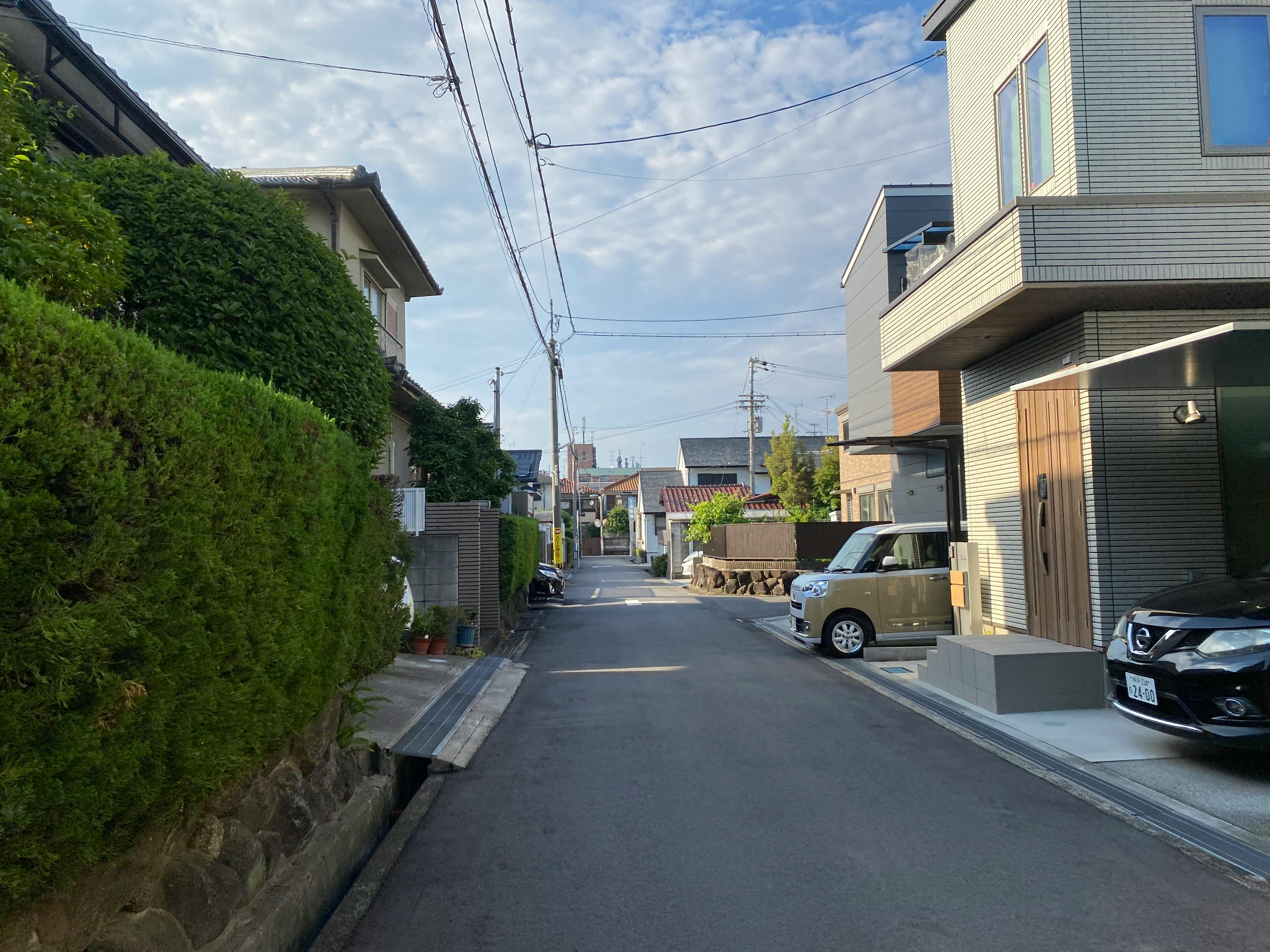 Sakai
Image by:kazuyoshi sakamoto
Sakai
Image by:kazuyoshi sakamoto
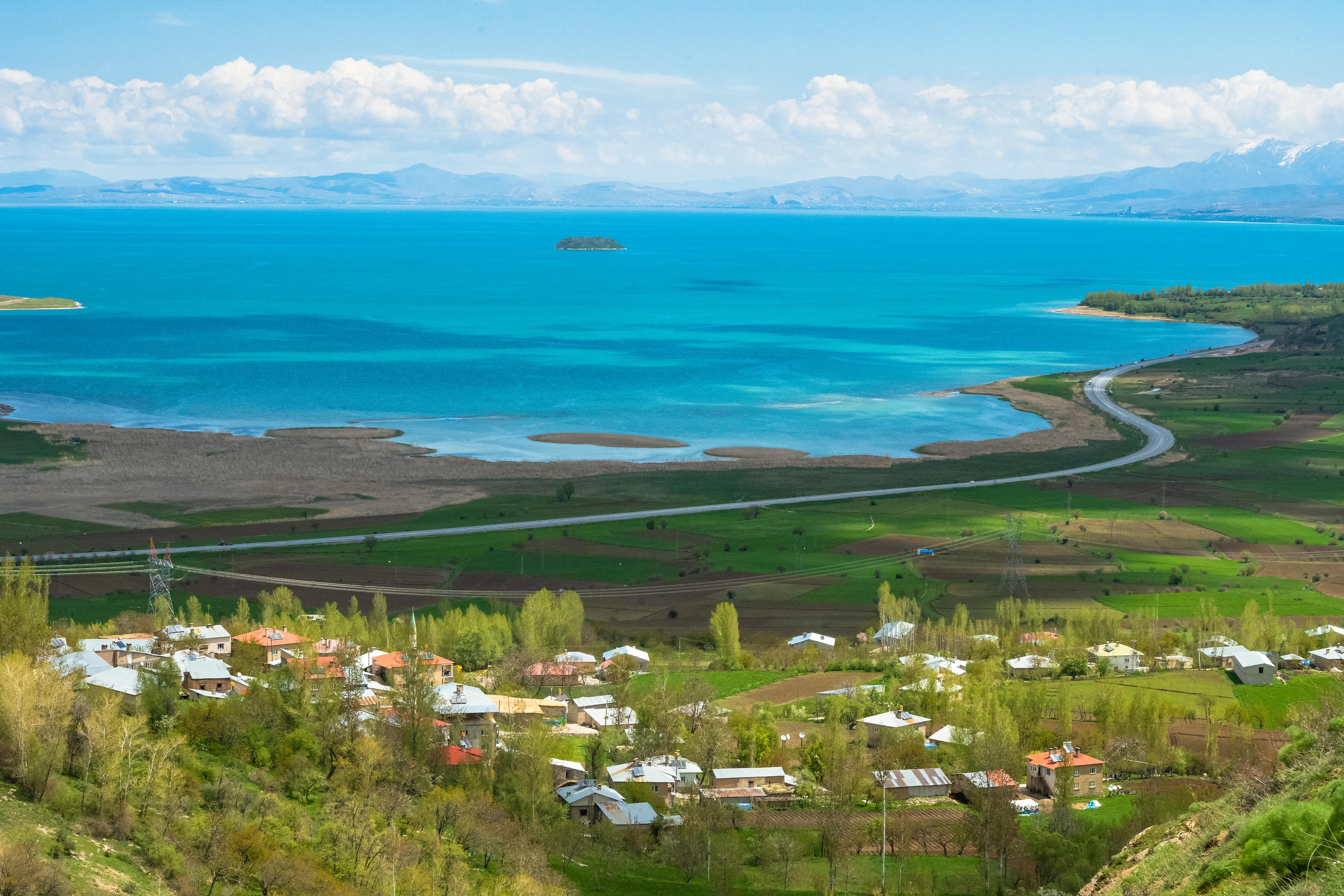 Van
Image by:Leyla Helvaci
Van
Image by:Leyla Helvaci
Sakai, Japan's significant urban center with over 800,000 residents, presents a profile of a developed nation, offering high standards of living and infrastructure, but at a considerable financial cost. Van, Turkey's much larger city with over 500,000 people, reflects a developing economy. The fundamental difference lies in their economic development and cost structures. Sakai exhibits significantly higher costs across nearly all categories, characteristic of a highly developed country, while Van offers substantially lower living expenses, indicative of an emerging economy.
Economically, the gap between Sakai and Van is stark. Sakai's costs for goods and services are considerably higher. A mid-range restaurant meal for two averages $31.80 in Sakai, more than three times Van's $7.96. Groceries are also more expensive, with white rice costing $5.72 in Sakai versus $1.48 in Van. Transportation costs are similarly elevated: Sakai's average compact car purchase price is $21,841, less than half of Van's $41,881, and Sakai's fuel price is $1.11 per liter, slightly higher than Van's $1.06. Utilities, mobile plans, and internet services are also more expensive in Sakai. Conversely, Van offers significantly lower costs for daily living, with an average monthly net salary of only $568.57, much lower than salaries in Japan, and city-center 1-bedroom apartments averaging just $291.87 per month, a fraction of the cost in Sakai.
The quality of life indicators paint a different picture than the economic factors. Sakai demonstrates superior metrics in most areas, suggesting likely better access and quality of healthcare, and a more extensive, reliable public transport system. Its average commute time is a mere 0.3 hours, far better than Van's 1.3 hours. However, Sakai faces a challenge with environmental metrics, particularly its pollution index of 84.7. Van, while potentially more affordable, presents significant quality-of-life drawbacks. The data shows a higher rate of primary school tuition costs relative to the average salary in Van ($6,823 per year versus a monthly net salary of $568.57), indicating a potential strain on families. Furthermore, Van's higher pollution index suggests poorer air quality, negatively impacting residents' health and well-being.
From an investment and career perspective, the two cities offer very different opportunities. Van's lower cost of living, coupled with a GDP growth rate of 5.11%, presents a potentially attractive market for investment, particularly in real estate. The lower salaries ($568.57 net monthly) mean that, despite the lower income, the cost of living is significantly less, potentially allowing for more disposable income or savings compared to a similar salary in Sakai. However, career prospects in Van may be tied to the developing Turkish economy, offering potentially faster advancement but possibly less job security and lower base salaries than comparable positions in Japan. Sakai, within the stable Japanese economy, likely offers secure, high-paying jobs, but the high cost of living may significantly erode savings and limit investment capacity compared to the situation in Van.
Sakai and Van represent two vastly different environments in 2026. Sakai offers the advantages of a highly developed nation, including likely superior healthcare, infrastructure, safety, and education, but at a prohibitive cost for almost everything, including housing, transportation, and daily goods. Van provides significantly lower living expenses, making it financially accessible, but comes with trade-offs in terms of potentially lower quality of life due to pollution and healthcare access, less stable economic prospects, and lower salaries. The choice between these cities depends entirely on the individual's priorities – whether they prioritize the stability, infrastructure, and quality of life associated with a developed nation at a high cost, or the affordability and potential for growth associated with a developing nation, despite its inherent challenges.
 Sakai
Sakai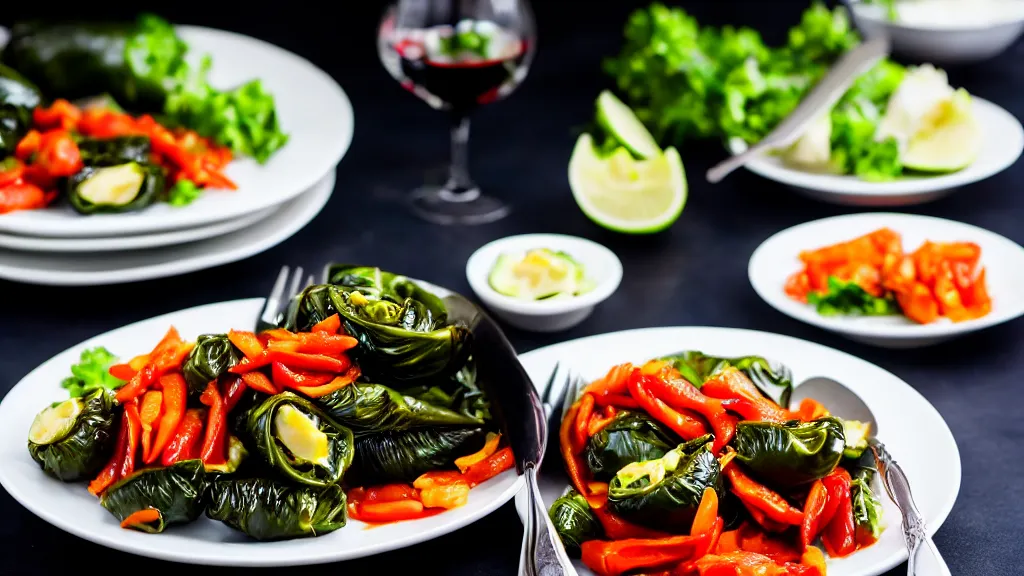 Van
VanLocal cuisine & dishes
Sakai
Van
 Sakai
Sakai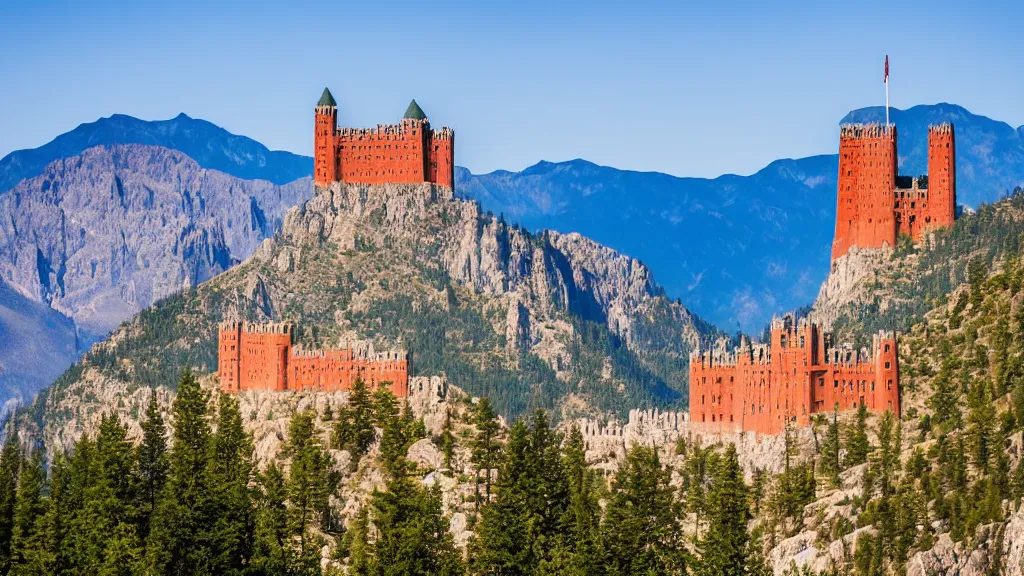 Van
VanTravel & attractions
Sakai
Van
Real estate & living comparison
| Sakai | Van | |
|---|---|---|
| International Primary School, Annual Tuition per Child | 13144.63 USD | 6822.81 USD |
| Jeans (Levi's 501 or Similar) | 42.12 USD | 63.68 USD |
| Men's Leather Business Shoes | 90.42 USD | 45.49 USD |
| Apples (1 kg) | 3.3 USD | 1.96 USD |
| Bananas (1 kg) | 1.97 USD | 2.27 USD |
| Bottled Water (0.33 Liter) | 0.73 USD | 0.23 USD |
| Cappuccino (Regular Size) | 3 USD | 2.62 USD |
| Cinema Ticket (International Release) | 12.72 USD | 2.73 USD |
| Gasoline (1 Liter) | 1.11 USD | 1.06 USD |
| Taxi 1 Hour Waiting (Standard Tariff) | 21.63 USD | 7.96 USD |
| Basic Utilities for 85 m2 Apartment (Electricity, Heating, Cooling, Water, Garbage) | 131.35 USD | 85.92 USD |
| Broadband Internet (Unlimited Data, 60 Mbps or Higher) | 32.18 USD | 7.96 USD |
| Population | 824,408 | 525,016 |
Last updated: 2026-04-05T15:39:17+00:00
Comments for this comparison