
Samarkand vs. Haarlem: Detailed 2026 Cost of Living & Quality Comparison
 Samarkand
Image by:Маруся Печканова
Samarkand
Image by:Маруся Печканова
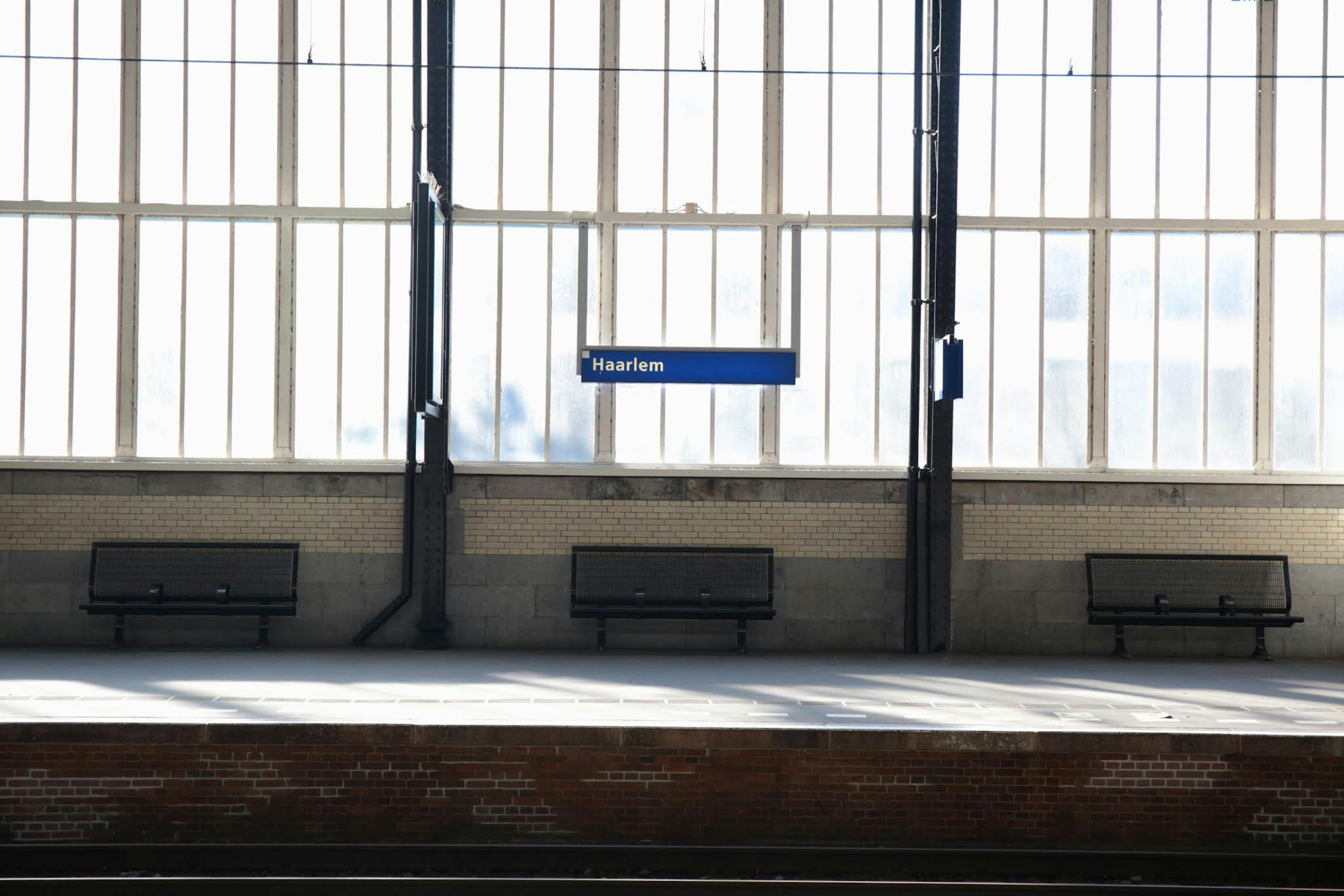 Haarlem
Image by:Paul Julliot
Haarlem
Image by:Paul Julliot
Samarkand and Haarlem represent fundamentally different urban experiences, primarily distinguished by their economic contexts and the resulting impact on daily life. Uzbekistan's developing economy shapes Samarkand into a significantly more affordable option, attracting those prioritizing budget constraints. Conversely, Haarlem, situated within the Netherlands' prosperous framework, offers a mature Western European setting characterized by higher expenses but greater economic stability. This core difference sets the stage for contrasting realities in cost, opportunity, and the overall standard of living.
Economically, the disparity is stark, reflected directly in housing and income. Samarkand's average monthly net salary is considerably lower than Haarlem's, a direct consequence of its lower cost of living and developing economic structure. This lower income, however, translates into vastly cheaper property prices per square meter, both centrally and in surrounding areas. While the currency gap makes direct USD comparisons immense, the local purchasing power for real estate is significantly higher in Samarkand. Haarlem, reflecting its position in a developed nation, boasts a much higher average net salary, essential for sustaining its expensive cost of living. Simultaneously, Haarlem offers substantially lower annual mortgage interest rates, making long-term property financing far more manageable, unlike the extremely high rates often found in Samarkand.
The quality of life metrics paint a clear picture favoring Haarlem. According to standard indices, Haarlem excels in crucial areas like safety, healthcare access, and environmental comfort, including climate and lower pollution levels. Residents benefit from excellent public services, reliable infrastructure, and a generally secure and healthy environment. Samarkand, on the other hand, shows significantly lower scores across these dimensions. While specific details might not match Western European benchmarks, the data indicates challenges in safety, environmental comfort, and healthcare access compared to Haarlem, suggesting a less developed urban environment with fewer readily available amenities and services.
From an investment and career standpoint, the two cities present vastly different profiles. Samarkand offers substantially lower property prices per square meter, potentially making it attractive for investment due to the lower entry points, despite Uzbekistan's different economic trajectory compared to the Netherlands. Samarkand's GDP per capita is considerably lower than Haarlem's, reflecting its broader economic context. Haarlem, benefiting from being part of a highly developed nation with a robust economy, provides greater job security, more diverse career opportunities, and the potential for higher earnings in established industries. The Netherlands also exhibits a lower population growth rate, indicating stability, whereas Uzbekistan's higher rate points to a potentially more dynamic but less secure market for long-term career development and investment.
Ultimately, the choice between Samarkand and Haarlem hinges on a critical trade-off: extreme affordability versus established comfort and opportunity. Samarkand provides undeniable cost savings in living expenses, housing, and salaries, appealing to those seeking significant financial relief or prioritizing affordability above all else. Haarlem, conversely, offers a high standard of living backed by excellent quality of life indicators, economic stability, and diverse career prospects, albeit at substantially higher costs for everything from basic goods to housing and transportation. The decision rests on whether the potential benefits of Samarkand's lower costs and economic dynamism outweigh the considerable trade-offs in quality of life, safety, and security, or if Haarlem's established advantages, despite the premium costs, represent the preferred path.
 Samarkand
 Haarlem
Local cuisine & dishes
Samarkand
Haarlem
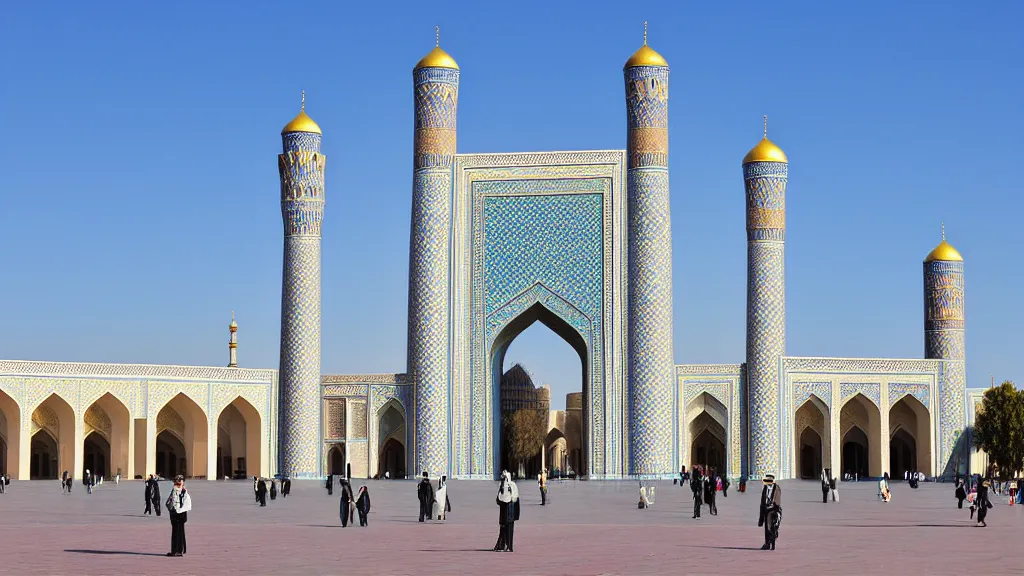 Samarkand
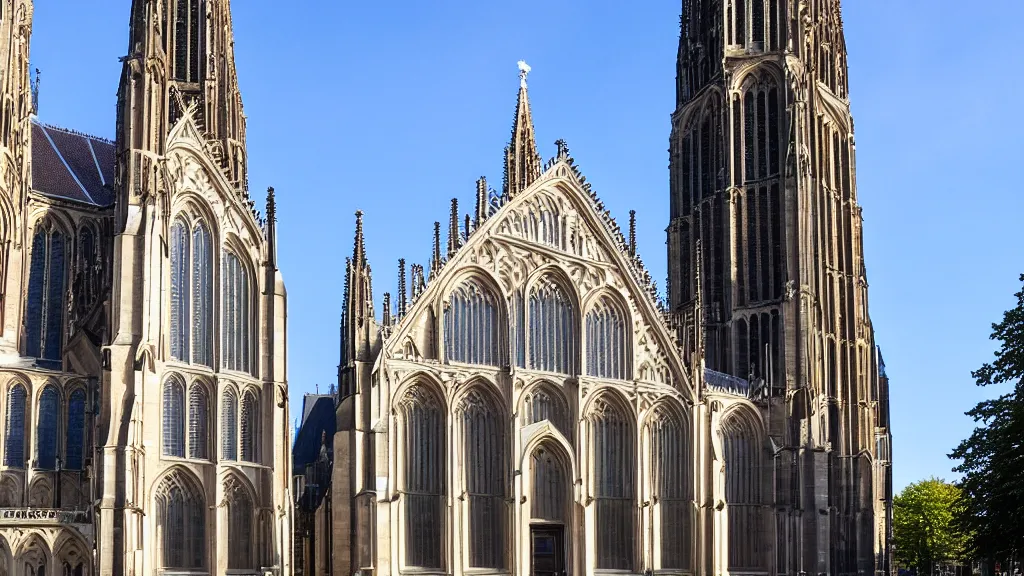 Haarlem
Travel & attractions
Samarkand
Haarlem
Real estate & living comparison
| Samarkand | Haarlem | |
|---|---|---|
| Price per Square Meter to Buy Apartment in City Centre | 1226.55 USD | 8159.96 USD |
| Price per Square Meter to Buy Apartment Outside of Centre | 531.51 USD | 6347.86 USD |
| International Primary School, Annual Tuition per Child | 7359.31 USD | 6431.16 USD |
| Private Full-Day Preschool or Kindergarten, Monthly Fee per Child | 313.1 USD | 2761.22 USD |
| Jeans (Levi's 501 or Similar) | 20.44 USD | 89.12 USD |
| Men's Leather Business Shoes | 57.24 USD | 191.48 USD |
| Apples (1 kg) | 0.82 USD | 3.21 USD |
| Bananas (1 kg) | 1.81 USD | 2.58 USD |
| 1 Bedroom Apartment in City Centre | 237.13 USD | 1931.85 USD |
| 1 Bedroom Apartment Outside of City Centre | 161.5 USD | 1712.92 USD |
| Bottled Water (0.33 Liter) | 0.27 USD | 3.54 USD |
| Cappuccino (Regular Size) | 1.91 USD | 4.54 USD |
| Annual Mortgage Interest Rate (20-Year Fixed, in %) | 23.07 USD | 4 USD |
| Average Monthly Net Salary (After Tax) | 294.37 USD | 3885.52 USD |
| Cinema Ticket (International Release) | 3.07 USD | 16.95 USD |
| Monthly Fitness Club Membership | 38.16 USD | 57.79 USD |
| Gasoline (1 Liter) | 1.01 USD | 2.29 USD |
| Monthly Public Transport Pass (Regular Price) | 3.27 USD | 109.86 USD |
| Basic Utilities for 85 m2 Apartment (Electricity, Heating, Cooling, Water, Garbage) | 40.89 USD | 250.46 USD |
| Broadband Internet (Unlimited Data, 60 Mbps or Higher) | 12.54 USD | 67.2 USD |
| Population | 513,572 | 162,543 |
Last updated: 2026-04-05T17:38:17+00:00
Comments for this comparison