
Seoul vs. Ghazni: Detailed 2026 Cost of Living & Quality Comparison
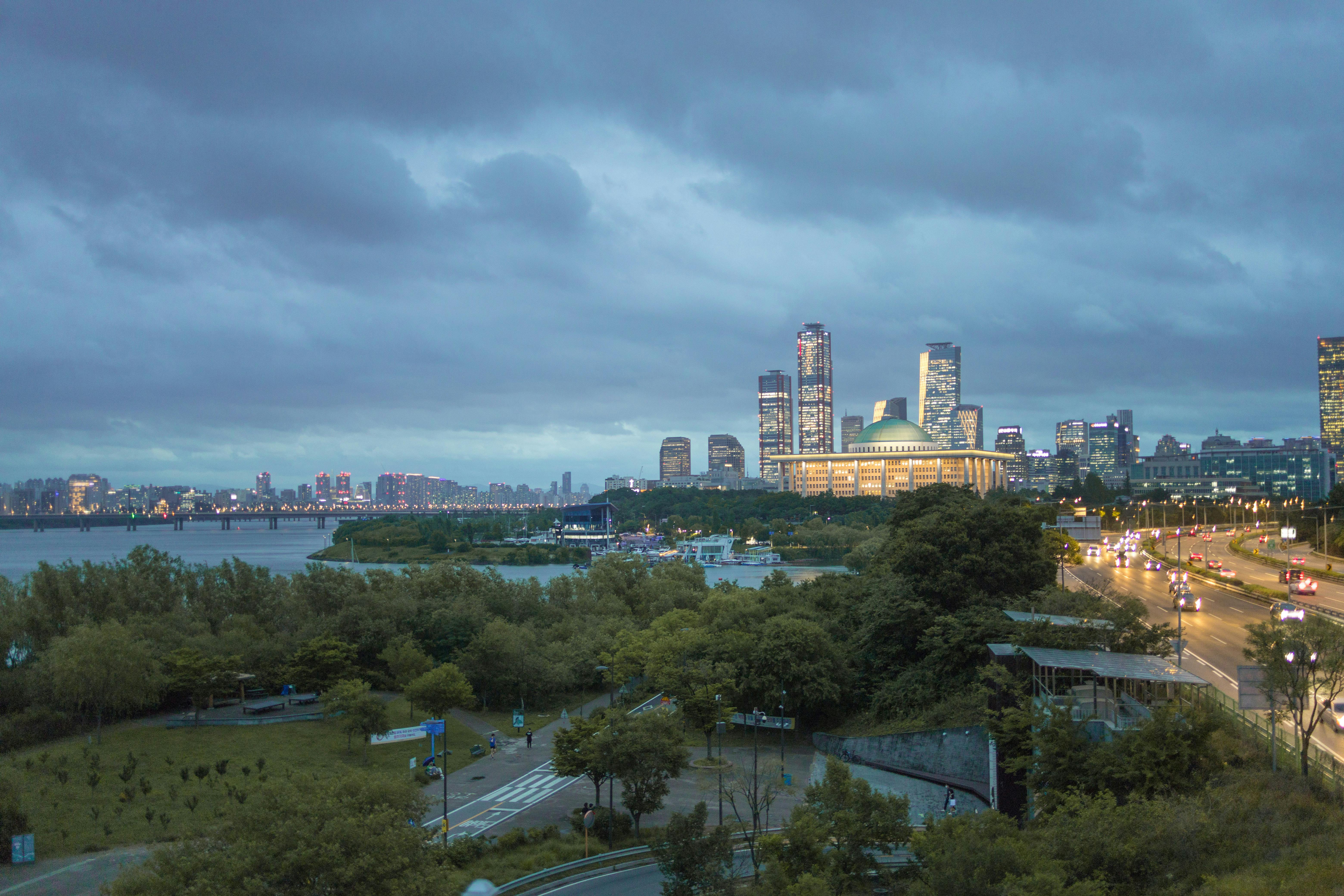 Seoul
Image by:O-seop Sim
Seoul
Image by:O-seop Sim
 Ghazni
Image by:Suliman Sallehi
Ghazni
Image by:Suliman Sallehi
Seoul operates in a fundamentally different economic universe than Ghazni, reflecting a vast chasm in living standards as of 2026. The metropolis boasts a GDP per capita of $50,600, indicative of a highly developed economy, while Ghazni functions within Afghanistan's much less prosperous national framework. This economic disparity translates directly into the cost of living, with Seoul carrying a significantly higher Cost of Living Index, placing it firmly in the very high global range. Salaries in Seoul are substantially higher than in Ghazni, yet this is offset by the city's premium on essentials. Even basic groceries are cheaper in Ghazni, but imported goods, dining out, and services like car ownership reflect Seoul's global standing, with a comparable mid-range vehicle costing nearly $20,000 compared to Ghazni's range of $8,730 to $35,444.
The gap in quality of life is starkly evident when comparing Seoul and Ghazni. Seoul excels across the board in metrics like safety, infrastructure, healthcare access, and educational attainment. Its public transportation is efficient, healthcare facilities are advanced, and air quality is considerably better. Ghazni, conversely, faces significant hurdles, with quality metrics generally lower and data showing anomalies that complicate direct comparisons. While Ghazni's nominal costs are lower, reflecting its less developed context, the overall picture paints Seoul as offering a vastly superior environment for safety, well-being, and daily living comfort.
Seoul's housing market exemplifies its premium status, with property prices reflecting its position as a leading global hub. While specific figures like Bucheon's 23.55 index point to high nominal costs relative to the national average, the sheer scale and desirability of living in Seoul drive up prices significantly. Educational opportunities are another area where the gap is immense. Seoul provides access to world-class universities and research institutions, whereas Ghazni offers vastly inferior educational infrastructure and resources, despite potentially lower nominal international school tuition fees.
The economic potential and institutional stability of Seoul are worlds apart from Ghazni. Seoul's dynamic property market and robust infrastructure signal strong investment potential, backed by a stable economy and strong institutions. Ghazni, operating within a developing nation's constraints, lacks this stability and investment appeal. While Ghazni's lower cost of living and nominal property prices might seem attractive, they exist within a context of inferior quality of life, limited economic prospects, and significant challenges in infrastructure and safety, making it a fundamentally different proposition than Seoul.
Ultimately, the comparison between Seoul and Ghazni reveals a clear divergence. Seoul offers superior economic opportunities, a significantly higher standard of living, and vastly better quality of life metrics, albeit at a much higher cost. Ghazni presents substantially lower costs and nominal property values but operates within a framework defined by limited development, safety concerns, and inferior living standards. For those prioritizing a high quality of life, economic security, and institutional strength, Seoul is the undeniable choice, while Ghazni represents a different, less developed reality.
 Seoul
Seoul Ghazni
Local cuisine & dishes
Seoul
Ghazni
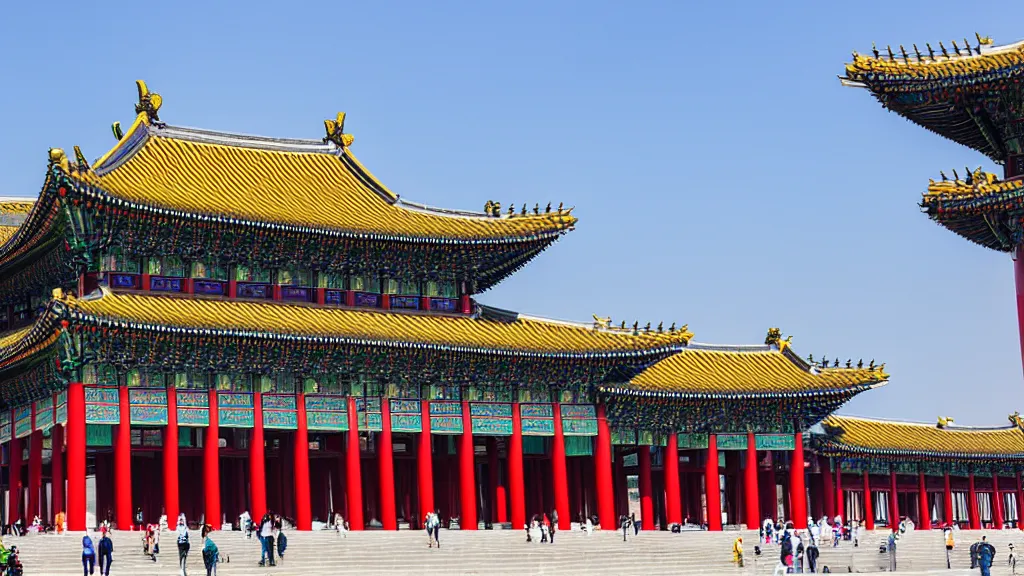 Seoul
Seoul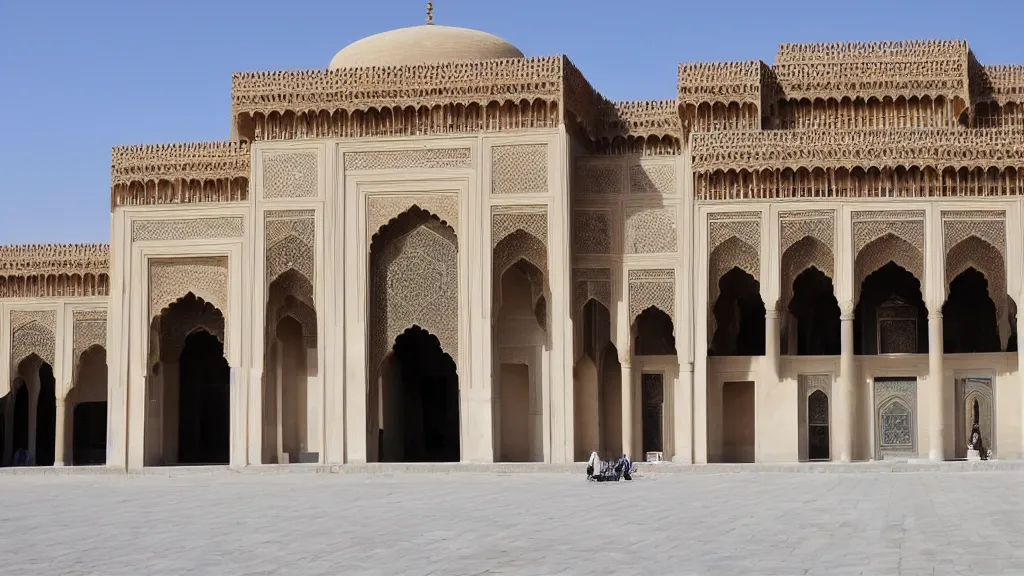 Ghazni
Travel & attractions
Seoul
Ghazni
Real estate & living comparison
| Seoul | Ghazni | |
|---|---|---|
| International Primary School, Annual Tuition per Child | 21467.16 USD | 1587.3 USD |
| Private Full-Day Preschool or Kindergarten, Monthly Fee per Child | 1245.4 USD | 20.9 USD |
| Jeans (Levi's 501 or Similar) | 53.29 USD | 10.32 USD |
| Men's Leather Business Shoes | 94.37 USD | 24.4 USD |
| Apples (1 kg) | 7.36 USD | 0.57 USD |
| Bananas (1 kg) | 3.36 USD | 0.85 USD |
| Bottled Water (0.33 Liter) | 0.8 USD | 0.16 USD |
| Cappuccino (Regular Size) | 3.63 USD | 1.06 USD |
| Cinema Ticket (International Release) | 10.25 USD | 2.38 USD |
| Gasoline (1 Liter) | 1.15 USD | 1.06 USD |
| Taxi 1 Hour Waiting (Standard Tariff) | 8.2 USD | 2.78 USD |
| Basic Utilities for 85 m2 Apartment (Electricity, Heating, Cooling, Water, Garbage) | 157.78 USD | 53.71 USD |
| Broadband Internet (Unlimited Data, 60 Mbps or Higher) | 20.53 USD | 113.1 USD |
| Population | 23,016,000 | 143,379 |
Last updated: 2026-04-05T11:49:19+00:00
Comments for this comparison