
Sihui vs. Naga: Detailed 2026 Cost of Living & Quality Comparison
 Sihui
Image by:Mad Skillz,,
Sihui
Image by:Mad Skillz,,
 Naga
Image by:Roderick Salatan
Naga
Image by:Roderick Salatan
Sihui operates as a significant urban center within China's expansive economic landscape, contrasting sharply with Naga, a smaller municipality in the Philippines supporting around 133,000 residents. This fundamental scale difference points to divergent economic structures and urban environments. Sihui benefits immensely from integration into China's global supply chains and national infrastructure, fostering a developed urban economy. Conversely, Naga's economic context is shaped by the Philippines' national policies, potentially facing higher unemployment and greater dependence on remittances or niche industries. The data underscores vastly different development levels, with Sihui embodying characteristics of a sophisticated urban hub, while Naga reflects the economic conditions of a smaller Philippine municipality, presenting contrasting prospects for investment, career growth, and overall economic resilience.
Economically, Sihui demonstrates a clear advantage, operating within the framework of a major global economy indicated by higher GDP per capita. While specific salary figures for Sihui are not provided, its higher cost-of-living indices implicitly support a wealthier economic base compared to Naga's average monthly net salary of $154.23. This economic disparity is mirrored in housing costs; Sihui's property prices range from $76,210 to over $226,150, indicative of a developed market, whereas Naga's apartment prices are substantially lower, ranging from $94 to $268 per month. The cost-of-living indices further highlight this divide, with Sihui's figures suggesting greater relative affordability despite higher nominal costs, unlike Naga's lower indices which may mask a higher burden relative to income.
The quality-of-life metrics reveal profound differences in living standards and environmental conditions. Sihui appears situated within a major metropolitan region, benefiting from advanced infrastructure and services, despite its own moderate quality-of-life index. The presence of sophisticated environmental controls, such as improved sulfur scrubbers, contributes to a generally cleaner environment compared to Naga. Naga's data, potentially reflecting specific locations like tourist areas, shows lower safety and healthcare indices, alongside concerning pollution levels, suggesting potential challenges in public safety, healthcare access, and environmental quality. While Naga might offer lower absolute costs for some items, the relative affordability is questionable given its lower income levels, unlike Sihui's environment potentially enhanced by architectural innovations like brise-soleil facades.
From an investment and career perspective, Sihui, embedded within China's dynamic economy, offers superior prospects. It provides access to a massive domestic market, advanced infrastructure, and a highly developed industrial and technological ecosystem, fostering diverse career opportunities, higher potential salaries, and robust professional development. Naga, as a smaller municipality, likely presents fewer large-scale employment opportunities and lower wages, constrained by the Philippines' lower national GDP per capita. The slower population growth rate in Naga (1.56%) may indicate limited job market expansion compared to the national average. Sihui thus presents a compelling environment for career advancement and investment, offering significant potential returns, whereas Naga offers a lower-risk, lower-reward scenario tied to the economic development of a specific municipality.
In conclusion, the comparison between Sihui and Naga highlights a stark contrast between a large, highly developed Chinese city and a smaller municipality within the developing Philippines. Sihui offers superior economic opportunities, higher quality-of-life indicators, cleaner environmental conditions (supported by measures like sulfur scrubbers), and more robust infrastructure, making it an attractive choice for growth and a high standard of living. Naga presents a different profile, characterized by lower costs but potentially lower economic security, and indications of lower quality-of-life metrics. While Naga might appeal for specific low-cost living scenarios, Sihui clearly emerges as the superior option for most individuals and businesses seeking development and a higher quality of life, potentially facilitated by advanced urban transport like Maglev systems.
 Sihui
Sihui Naga
NagaLocal cuisine & dishes
Sihui
Naga
 Sihui
Sihui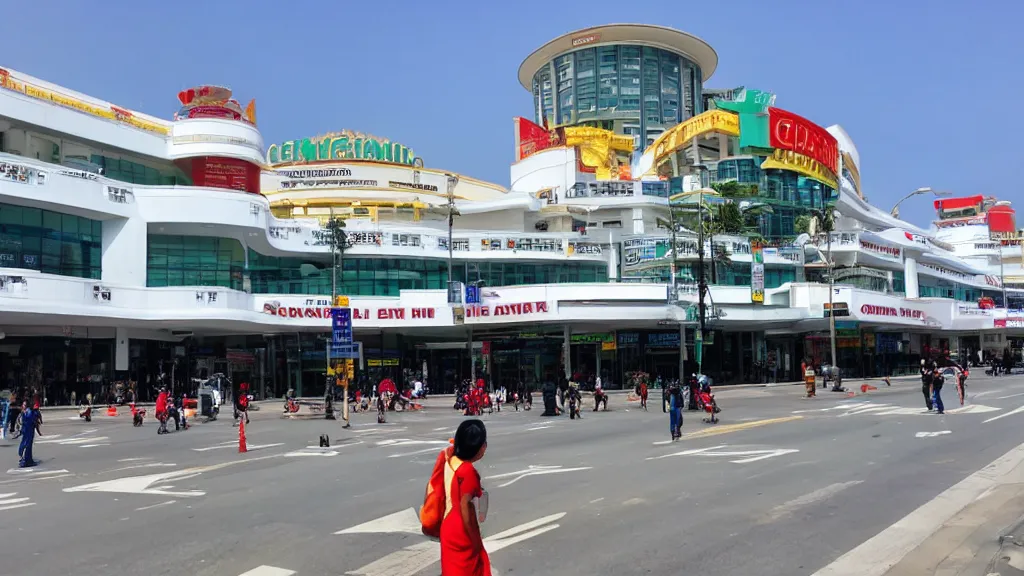 Naga
NagaTravel & attractions
Sihui
Naga
Real estate & living comparison
| Sihui | Naga | |
|---|---|---|
| International Primary School, Annual Tuition per Child | 20795.85 USD | 8568.1 USD |
| Jeans (Levi's 501 or Similar) | 44.59 USD | 33 USD |
| Men's Leather Business Shoes | 95.92 USD | 59 USD |
| Apples (1 kg) | 1.99 USD | 2.14 USD |
| Bananas (1 kg) | 1.44 USD | 1.8 USD |
| Bottled Water (0.33 Liter) | 0.28 USD | 0.26 USD |
| Cappuccino (Regular Size) | 3.22 USD | 2.95 USD |
| Cinema Ticket (International Release) | 7.25 USD | 3.86 USD |
| Gasoline (1 Liter) | 1.15 USD | 1.02 USD |
| Taxi Start (Standard Tariff) | 1.45 USD | 0.6 USD |
| Basic Utilities for 85 m2 Apartment (Electricity, Heating, Cooling, Water, Garbage) | 63.91 USD | 106.57 USD |
| Broadband Internet (Unlimited Data, 60 Mbps or Higher) | 11.94 USD | 28.56 USD |
| Population | 593,400 | 133,184 |
Last updated: 2026-04-05T11:23:52+00:00
Comments for this comparison