
Sokodé vs. Al Ḩillah: Detailed 2026 Cost of Living & Quality Comparison
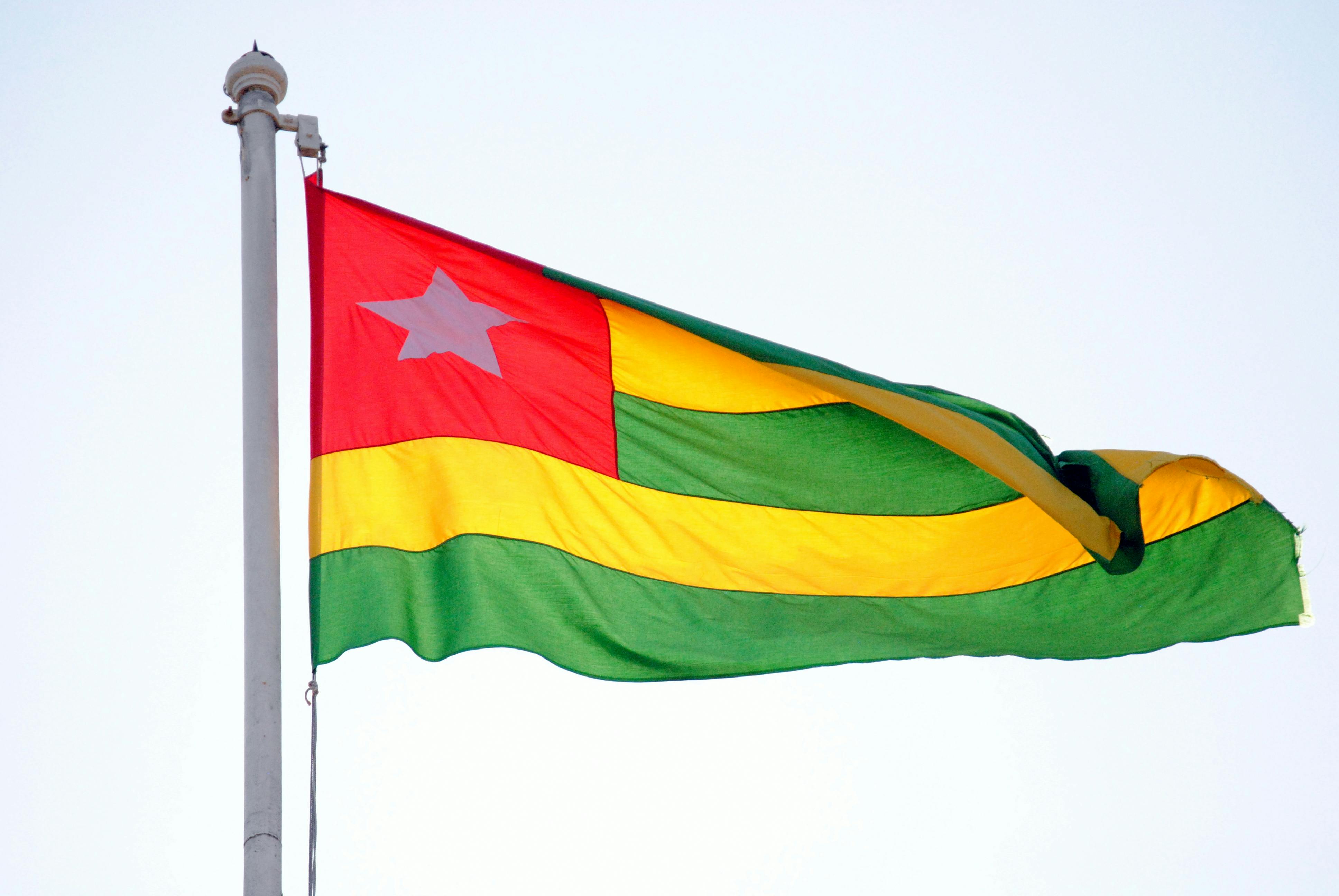 Sokode
Image by:Clément GADO
Sokode
Image by:Clément GADO
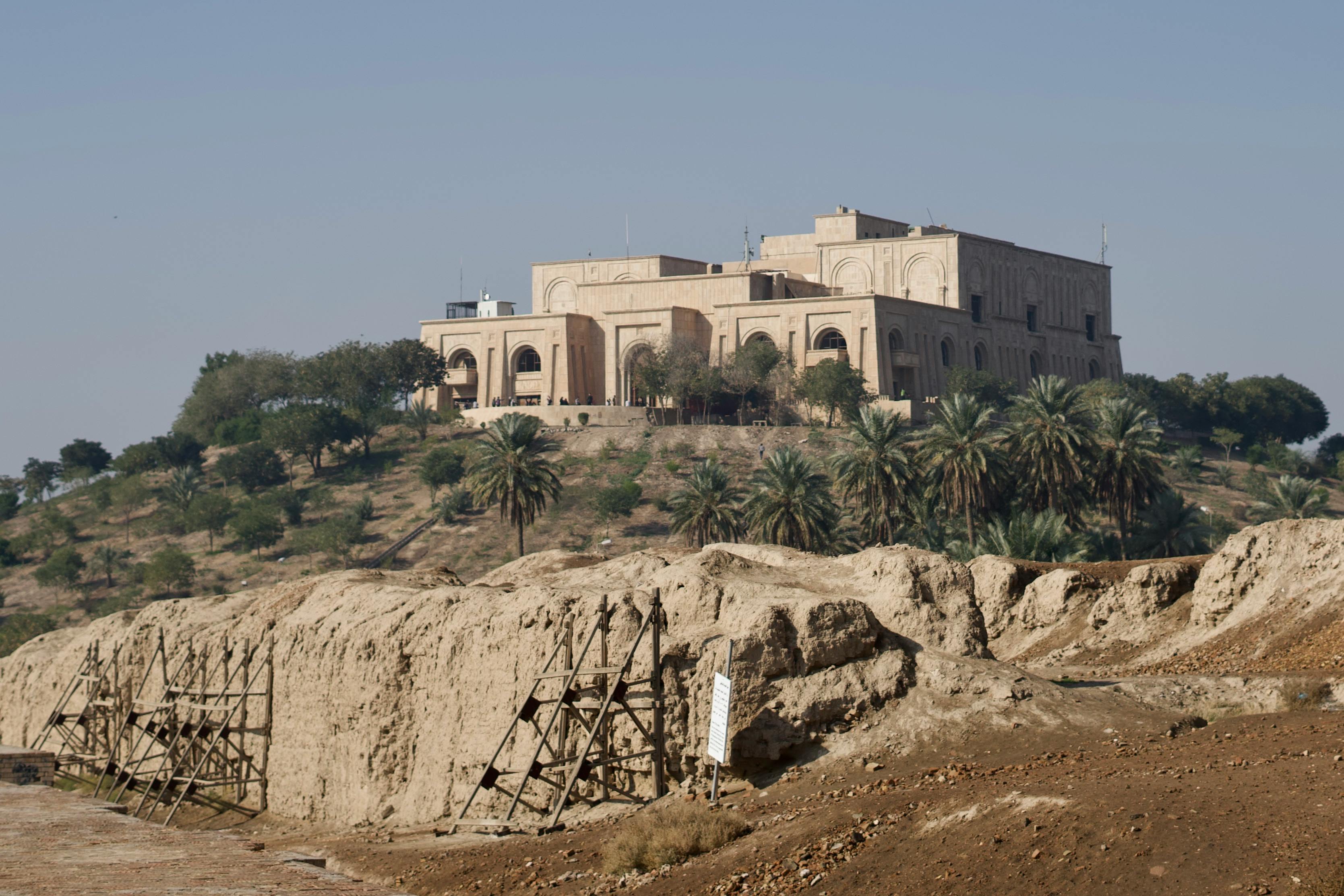 Al Hillah
Image by:Ali Gabr
Al Hillah
Image by:Ali Gabr
Sokodé, a city of 189,000 in Togo, presents a stark contrast to Al Ḩillah, Iraq's much larger urban center with a population exceeding half a million. The data reveals Al Ḩillah as a significantly more complex and measurable environment, offering detailed insights into its economic indicators and cost structures. Sokodé's dataset, however, is sparse, relying on single, uniform values for many metrics, making a direct, data-rich comparison challenging despite the clear population difference between the two cities in 2026.
Al Ḩillah's economic profile appears more robust, with a GDP per capita of $12,700 and a GDP growth rate of 2.94%, suggesting a larger economic base than implied by Sokodé's limited figures. Housing costs in Al Ḩillah are quantified, with property prices ranging dramatically from $551.63 outside the city center to $1,711.96 per square meter centrally, and rental costs varying from $177.54 to $494.57 per month depending on apartment size. The average net monthly salary of $507.25 is considerably higher than Sokodé's unspecified income level, yet the high mortgage interest rate of 15.0% suggests significant financial pressure for homeownership, a factor not directly comparable in Sokodé due to missing data.
The quality of life picture for Sokodé is clouded by its limited, single-value metrics. While some metrics imply potentially better conditions, others suggest lower perceived quality, but direct comparison is impossible without more granular data. Al Ḩillah provides clearer insights into daily expenses, showing low costs for essentials like food and transportation. An inexpensive restaurant meal costs just $4.18, public transport is cheap at $64.67 monthly, and gasoline is very affordable at $0.56 per liter. Utilities and childcare are also modest, though international school tuition is high at $760.87 annually. Basic groceries average under $1.00, contributing to a lower cost for essentials than many global averages, despite the high cost of housing in certain parts of the city.
Al Ḩillah presents a more defined investment and career landscape, marked by moderate population growth and higher average salaries. However, the high mortgage interest rate complicates property investment or financing. Sokodé lacks specific metrics on employment rates, job availability, or sector diversity, making a direct assessment of career prospects difficult. The stark contrast in data granularity between the two cities means Al Ḩillah offers a measurable, albeit complex, picture for investors and professionals, while Sokodé remains largely enigmatic due to the scarcity of available information hindering detailed analysis.
Based on the available data, Al Ḩillah emerges as a more complex and quantifiable urban environment than Sokodé. It offers higher GDP per capita and more detailed data across cost of living, quality of life, and economic indicators, painting a picture of a developing Iraqi city with distinct opportunities and challenges. Sokodé shows signs of urban development but lacks the depth of data necessary for a confident assessment of its economic vitality, housing market, or overall quality of life compared to Al Ḩillah. The decision between these cities hinges on individual priorities; Al Ḩillah offers more quantifiable data but also presents potentially higher financial hurdles, while Sokodé remains largely enigmatic.
 Sokode
 Al Hillah
Local cuisine & dishes
Sokode
Al Hillah
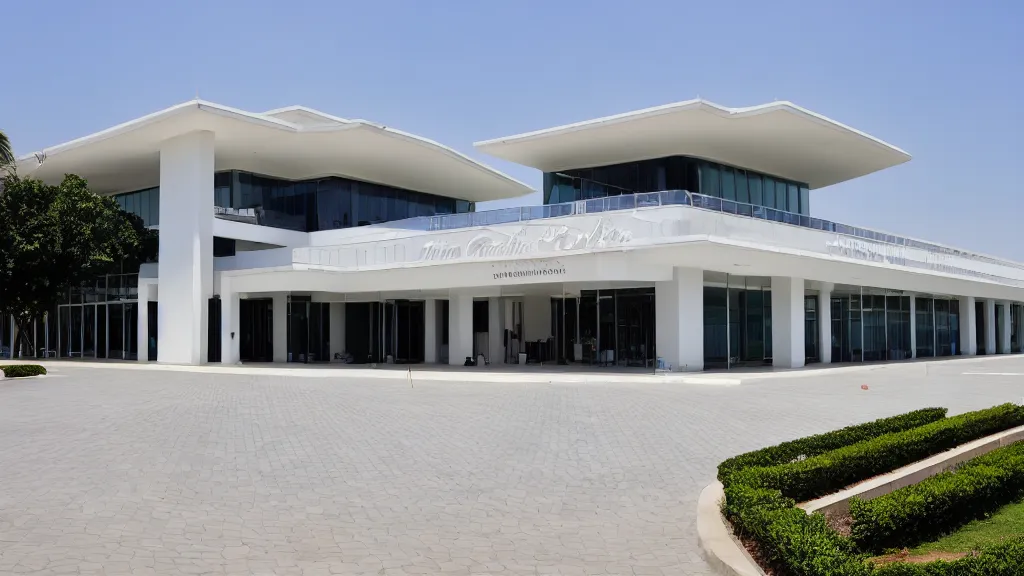 Sokode
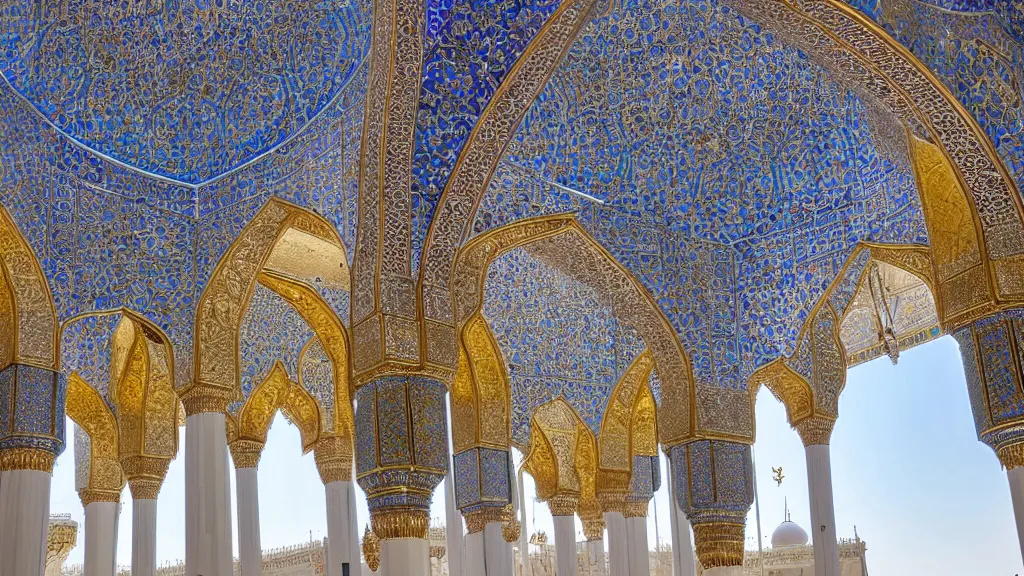 Al Hillah
Travel & attractions
Sokode
Al Hillah
Real estate & living comparison
| Sokode | Al Hillah | |
|---|---|---|
| Population | 189,000 | 541,034 |
Last updated: 2026-04-05T15:30:07+00:00
Comments for this comparison