
Stockton vs. Kidapawan: Detailed 2026 Cost of Living & Quality Comparison
 Stockton
Image by:Brett Sayles
Stockton
Image by:Brett Sayles
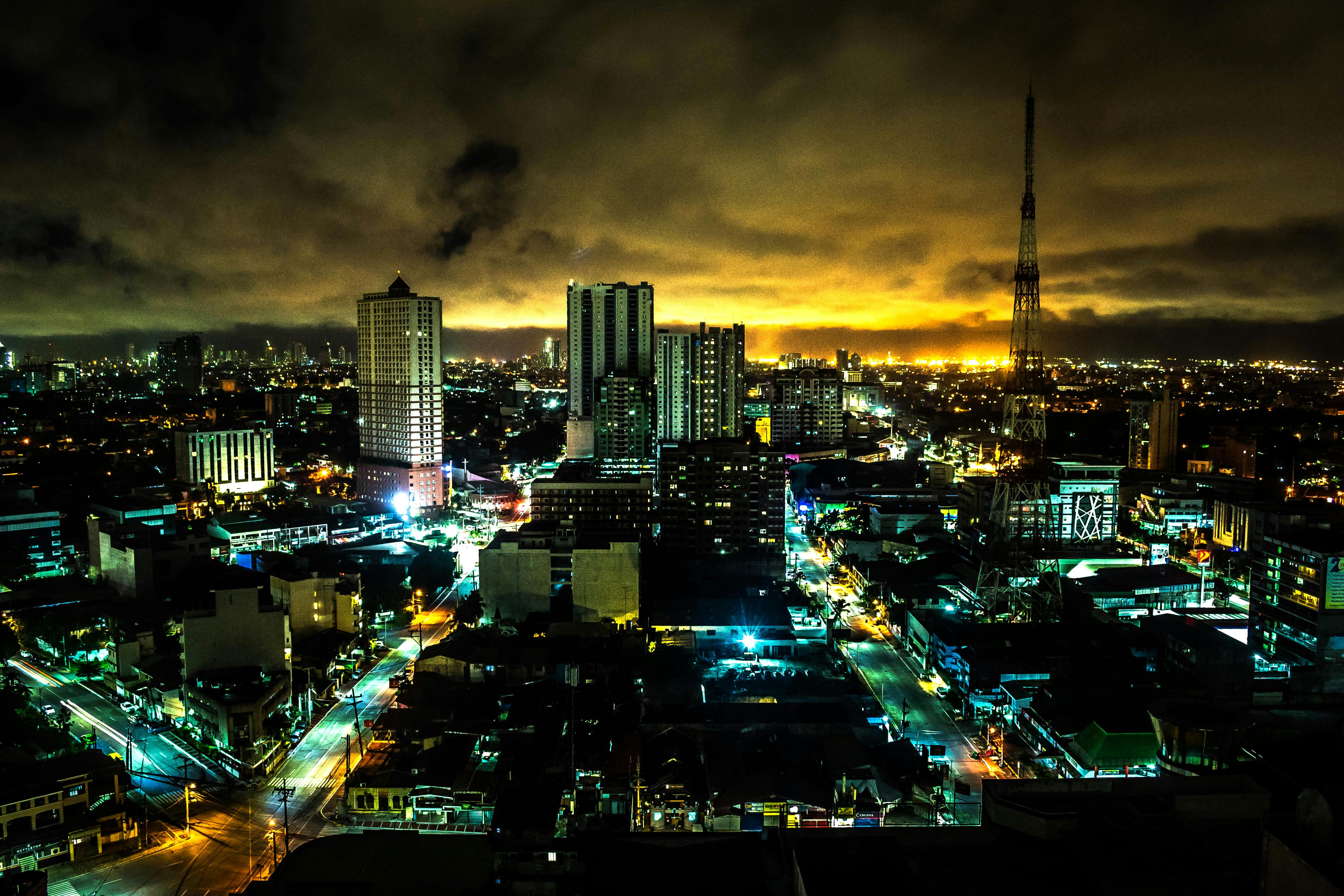 Kidapawan
Image by:Picasso Dela Cruz
Kidapawan
Image by:Picasso Dela Cruz
Stockton's cost of living presents a significant hurdle compared to Kidapawan. Basic necessities, particularly housing, drive this disparity. Rent for a modest 1-bedroom apartment in Stockton averages $850 monthly, a figure that swells with additional costs like utilities, which can reach $150-$200. Kidapawan offers stark relief, with city-center apartments costing a fraction at around $170 per month, and utilities adding just $70-$90. This trend extends across daily life: food, from fast food to mid-range dining and groceries, is substantially cheaper in the Philippines, as is transportation, encompassing fuel, public transit, and new vehicle purchase prices.
The housing gap between these two cities is particularly pronounced. While Kidapawan provides drastically lower accommodation costs, Stockton benefits from a lower property price-to-income ratio, reflecting broader US economic conditions. However, this advantage comes with a higher overall cost structure for living, impacting not just shelter but also food, transport, and childcare, where monthly expenses in Stockton are significantly steeper than the $114 found in Kidapawan.
Assessing quality of life reveals a complex picture, heavily influenced by safety, healthcare access, and public services. Kidapawan's metrics show considerable regional variation; while some areas might boast higher quality scores, others present challenges. Stockton, as a US city, likely possesses more established public infrastructure and healthcare systems, offering potentially more reliable services, albeit at a much higher price point. The trade-off is clear: Kidapawan offers potential savings but with variable living conditions, whereas Stockton provides more consistent services but demands a substantial financial investment.
Economically, the two cities diverge sharply. Stockton operates within a higher GDP per capita framework, suggesting greater purchasing power and potentially more diverse job opportunities, though salaries alone do not fully capture the cost differential. Kidapawan, conversely, exhibits a higher GDP growth rate, indicating dynamism, but salaries are generally lower, making the higher cost of living in the US city a more significant burden for residents.
Ultimately, the choice between Stockton and Kidapawan hinges on prioritizing cost savings versus established quality metrics. Kidapawan delivers substantial financial relief across nearly all living expenses but offers a variable quality experience depending on the specific area. Stockton provides a more consistent, albeit expensive, quality of life underpinned by US economic strength, but the high cost of living presents a significant barrier for many aspiring residents in 2026.
 Stockton
 Kidapawan
Local cuisine & dishes
Stockton
Kidapawan
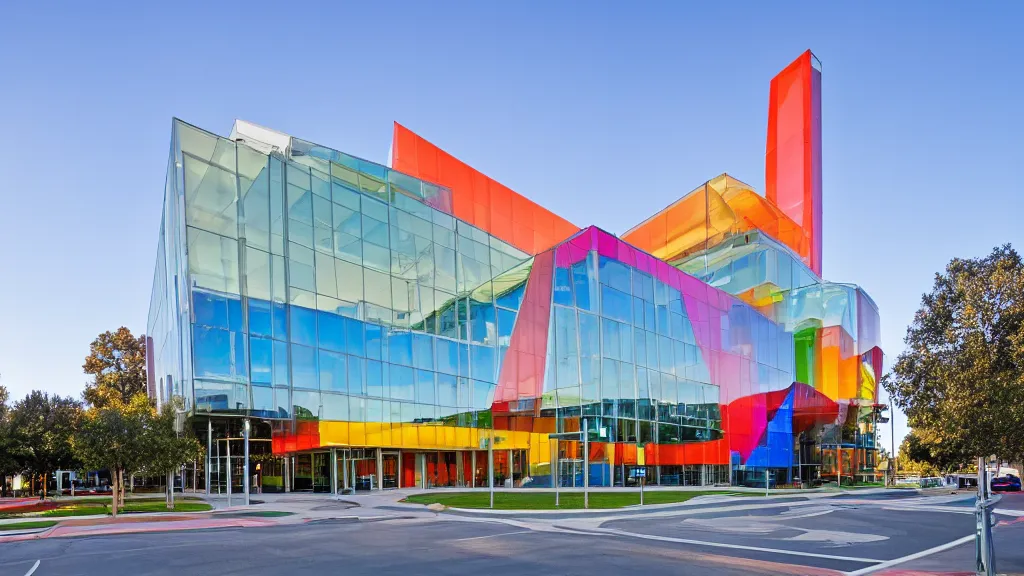 Stockton
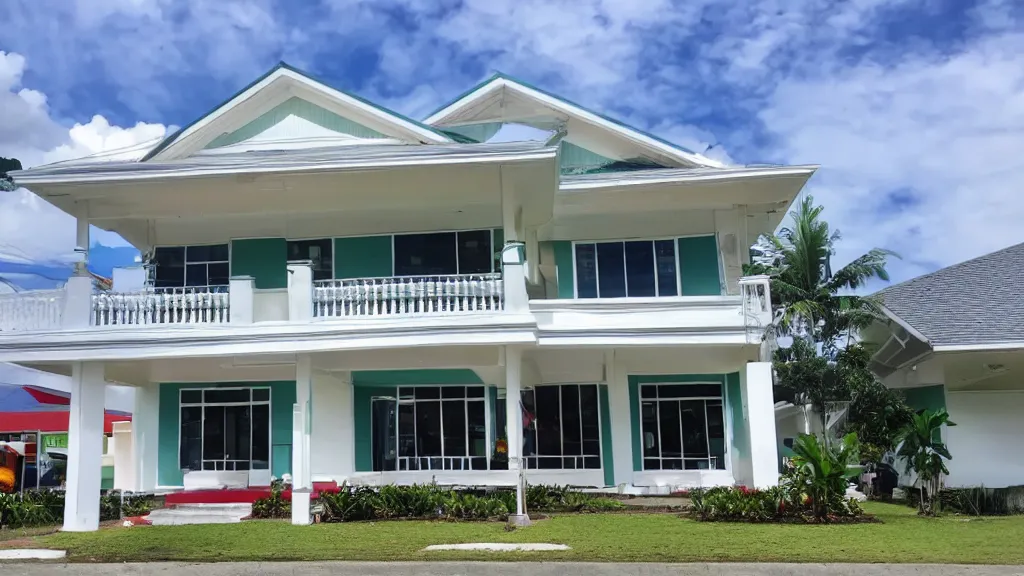 Kidapawan
Travel & attractions
Stockton
Kidapawan
Real estate & living comparison
| Stockton | Kidapawan | |
|---|---|---|
| International Primary School, Annual Tuition per Child | 15000 USD | 7628.02 USD |
| Private Full-Day Preschool or Kindergarten, Monthly Fee per Child | 250 USD | 113.95 USD |
| Jeans (Levi's 501 or Similar) | 56.06 USD | 55.09 USD |
| Men's Leather Business Shoes | 73.33 USD | 65.69 USD |
| Apples (1 kg) | 5.99 USD | 2.82 USD |
| Bananas (1 kg) | 1.43 USD | 1.14 USD |
| 1 Bedroom Apartment in City Centre | 1566.67 USD | 169.51 USD |
| 1 Bedroom Apartment Outside of City Centre | 1333.33 USD | 118.66 USD |
| Bottled Water (0.33 Liter) | 2.25 USD | 0.38 USD |
| Cappuccino (Regular Size) | 5.65 USD | 2.75 USD |
| Annual Mortgage Interest Rate (20-Year Fixed, in %) | 6.27 USD | 8.31 USD |
| GDP Growth Rate: | 2.89 USD | 5.55 USD |
| Cinema Ticket (International Release) | 13.97 USD | 5.09 USD |
| Gasoline (1 Liter) | 1.26 USD | 1.02 USD |
| One-Way Ticket (Local Transport) | 2.48 USD | 0.25 USD |
| Basic Utilities for 85 m2 Apartment (Electricity, Heating, Cooling, Water, Garbage) | 281.42 USD | 84.76 USD |
| Broadband Internet (Unlimited Data, 60 Mbps or Higher) | 75.48 USD | 33.33 USD |
| Population | 416,005 | 160,791 |
Last updated: 2026-04-05T04:51:21+00:00
Comments for this comparison