
Marka vs. Dipolog: Detailed 2026 Cost of Living & Quality Comparison
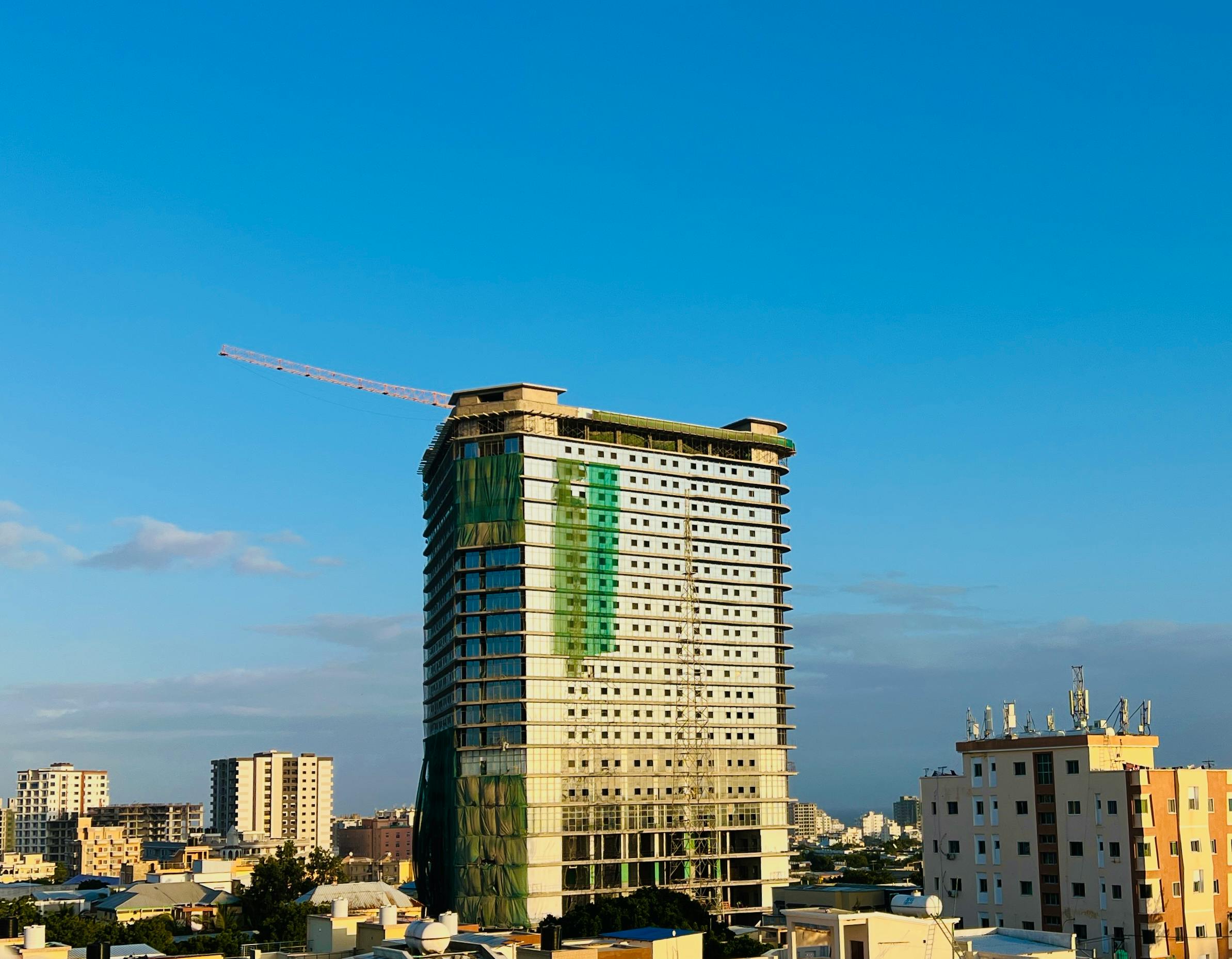 Marka
Image by:Yahye Somali
Marka
Image by:Yahye Somali
 Dipolog
Image by:Charlou Mark Sangoan
Dipolog
Image by:Charlou Mark Sangoan
Marka, Somalia, and Dipolog, Philippines, present a stark contrast in data granularity and reliability for analysis, particularly concerning cost of living and quality of life. Marka's data, while offering a population figure, lacks specific economic indicators like GDP per capita, average salaries, or detailed housing costs broken down by city. Dipolog, conversely, provides a more comprehensive picture, revealing a GDP per capita of $9,900 and an average net monthly salary of $257.64, figures absent entirely for Marka. Furthermore, Dipolog's housing costs are quantifiable – a city centre 1-bedroom apartment rents for $171.76 per month, while a 3-bedroom unit is priced at $257.64. Comparing these directly to property prices in other Philippine cities (Cebu, Cagayan de Oro, Iloilo) ranging from $241.30 to $328.20 highlights the potential gap, though direct Marka figures remain elusive. This fundamental data disparity immediately limits the ability to draw direct conclusions about the relative economic standing or housing affordability between the two cities.
The available data suggests a significant economic advantage for Dipolog, but crucial information for Marka remains missing, making a precise comparison difficult. Dipolog's average net salary of $257.64 provides a benchmark, yet no such figure exists for Marka. Housing costs in Dipolog, while detailed, cannot be directly contrasted with Marka's unspecified figures. The population growth rate in Dipolog is 1.56%, indicating moderate expansion, whereas Marka's data offers no insight into demographic trends. This lack of comparable economic data points for Marka – salaries, GDP figures, growth rates – means the economic landscape of the Somali city cannot be reliably assessed or compared against the developing city in the Philippines.
Analyzing the cost of living and quality of life reveals further complexities, with Dipolog offering clearer, albeit still quantifiable, metrics. Dining out in Dipolog ranges from inexpensive meals at $1.46 to mid-range restaurant meals for two costing $25.76. Utilities for an 85m² apartment are $73.00 monthly. Childcare represents a significant expense, with private preschool fees at $298.20 monthly and international school tuition a substantial $8,635.83 annually. Marka's quality of life data, however, is deeply problematic. Scores for locations within Somalia range anomalously from 61.65 to 378.17, figures that deviate wildly from typical quality of life indices and raise serious questions about their validity or comparability. Without reliable, city-specific metrics for Marka across these dimensions, any assessment of its relative cost of living or quality of life compared to Dipolog is fraught with uncertainty.
Dipolog demonstrates quantifiable aspects of daily life that, while higher than some global standards, are relatively defined. The cost of basic dining, utilities, and childcare are established benchmarks. In contrast, Marka's data presents a void, particularly regarding reliable cost of living and quality of life metrics. The absence of data on safety, healthcare access, and the true cost of essentials in Marka makes it impossible to evaluate these crucial factors. While Dipolog's figures allow for an assessment of its living expenses and basic service quality, Marka lacks the necessary data points to gauge its own performance or compare meaningfully on these fronts.
Ultimately, a direct and meaningful comparison between Marka and Dipolog is severely hampered by the significant differences in data quality, granularity, and reliability. Dipolog offers a reasonably comprehensive dataset covering economic indicators, specific cost of living elements, and property prices, painting a picture of a developing city with quantifiable metrics. Marka's data, while including a population figure, suffers from a critical lack of city-specific economic data (GDP, salaries, growth rates) and presents highly anomalous quality of life figures that are difficult to interpret or compare credibly. Without access to reliable, city-specific data for Marka across comparable metrics like cost of living, economic opportunity, safety, healthcare, and quality of life proxies, any definitive assessment of how these two cities compare remains impossible.
 Marka
Marka Dipolog
Local cuisine & dishes
Marka
Dipolog
 Marka
Marka Dipolog
Travel & attractions
Marka
Dipolog
Real estate & living comparison
| Marka | Dipolog | |
|---|---|---|
| Population | 230,100 | 138,141 |
Last updated: 2026-04-05T17:38:08+00:00
Comments for this comparison