
Talā vs. Belgrade: Detailed 2026 Cost of Living & Quality Comparison
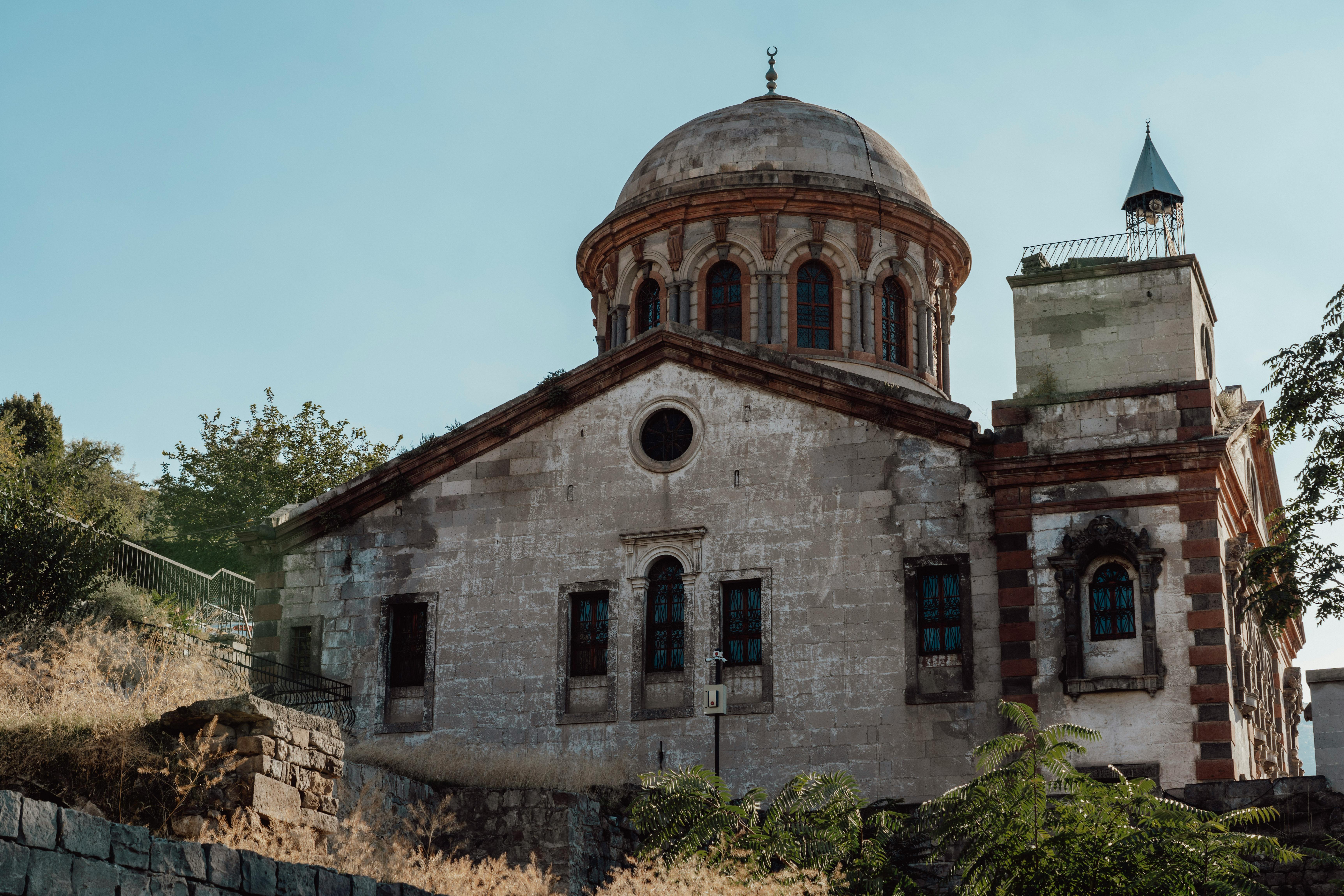 Tala
Image by:M.Emin BİLİR
Tala
Image by:M.Emin BİLİR
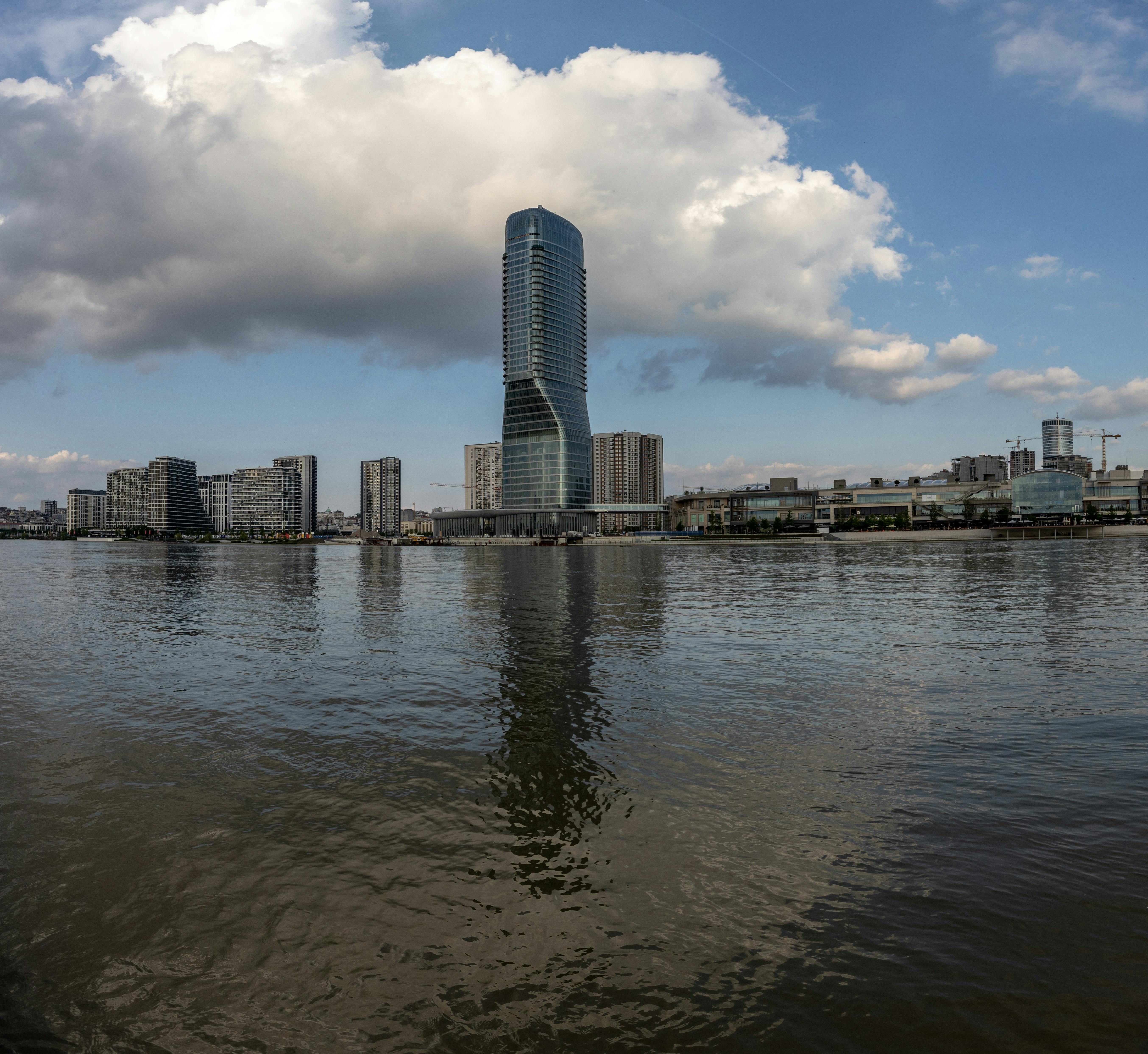 Belgrade
Image by:Boris Hamer
Belgrade
Image by:Boris Hamer
Talā, a significant urban center in Egypt with a population exceeding 413,000, contrasts sharply with Belgrade, the capital of Serbia, boasting a population over 1.1 million. These cities represent vastly different economic contexts and developmental stages. Belgrade, situated in a developed European nation, generally offers higher standards of living, more robust infrastructure, and greater economic opportunities compared to Talā, located in an African country with a lower GDP per capita. The fundamental differences in economic power and national development set the stage for significant disparities in living costs, affordability, and overall lifestyle between these two distinct urban environments in 2026.
The economic landscape reveals marked differences, particularly concerning cost of living and property affordability. Talā exhibits significantly lower costs across most categories, including food, transportation, utilities, and childcare, reflecting its position in a developing country. For instance, basic utilities for an 85m² apartment cost approximately $13.60 per month in Talā, which is substantially lower than the nearly $223.81 required in Belgrade. Similarly, the average cost of living index for Talā is considerably lower than Belgrade's index of 47.91. However, Talā's property prices, while lower than global standards, are still relatively high for the region, ranging from $16,810 to $78,360 depending on the location. Conversely, Belgrade offers a higher cost of living but also higher average net salaries ($1,203.47 monthly) and significantly lower property prices relative to its economic output, with city center prices around $5,145 per square meter. Furthermore, the mortgage interest rates in Talā are substantially higher at 20.5% annually compared to Belgrade's 4.9%, impacting long-term affordability significantly.
Quality of life metrics indicate a substantial advantage for Belgrade over Talā. Belgrade scores considerably higher across multiple indices, including safety (62.32 vs. not directly comparable data for Talā), healthcare (53.08), climate (84.14), and traffic commute times (36.53). While specific quality of life data for Talā locations like Birkat-as-sab' or Shibin Al Kawm exists, the overall indices provided for these areas are significantly lower than those reported for Belgrade and its suburbs, suggesting a generally lower quality of life environment in Talā. Belgrade also offers more extensive data on pollution (68.66) and provides access to international schools and diverse leisure activities, such as cinema tickets ($8.07) and fitness club memberships ($42.85 monthly), which are not detailed for Talā. The data implies a superior overall quality of life in Belgrade, encompassing better public services, infrastructure, and environmental conditions.
Belgrade presents a more favorable environment for investment and career development based on the available data. Serbia's GDP per capita is significantly higher ($26,000) than Egypt's implied figures, suggesting greater economic stability and opportunity. Belgrade boasts a lower mortgage interest rate (4.9%) and a slightly higher population growth rate (0.61%) compared to Talā's implied growth (not directly provided). While specific investment data for Talā is limited, the high mortgage rate and lower GDP per capita suggest less attractive investment potential and potentially slower economic growth compared to Belgrade. The higher cost of living in Belgrade reflects a more developed economy and greater purchasing power, whereas Talā's economy appears less advanced, offering fewer high-income job opportunities and potentially lower career advancement prospects.
While Talā offers substantially lower living costs, particularly for food, transportation, and basic utilities, these savings are significantly offset by lower quality of life indices, higher mortgage rates, and potentially fewer economic opportunities compared to Belgrade. Belgrade provides a significantly higher quality of life, better economic prospects, and more developed infrastructure, albeit at a considerably higher cost of living. The decision between Talā and Belgrade hinges on individual priorities: choosing Talā means prioritizing affordability over nearly all aspects of quality of life and economic opportunity, while selecting Belgrade prioritizes a higher standard of living, better career prospects, and overall well-being, accepting a higher financial burden.
 Tala
Tala Belgrade
Local cuisine & dishes
Tala
Belgrade
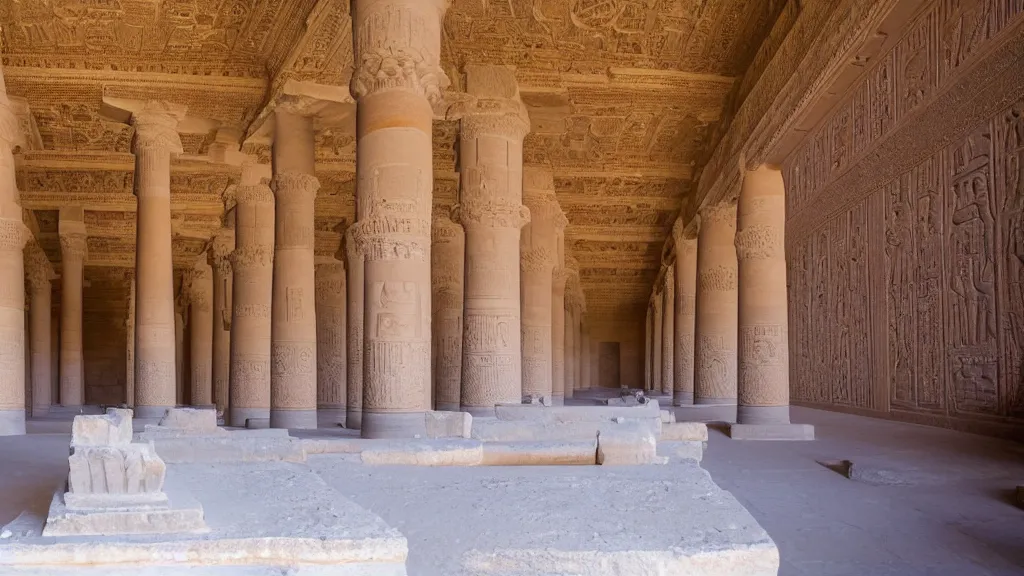 Tala
Tala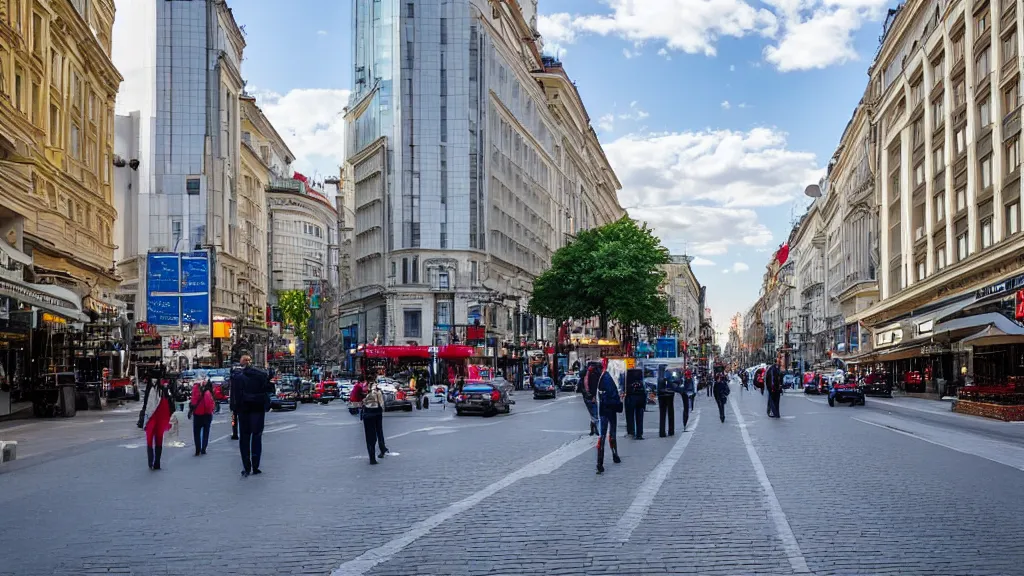 Belgrade
Travel & attractions
Tala
Belgrade
Real estate & living comparison
| Tala | Belgrade | |
|---|---|---|
| International Primary School, Annual Tuition per Child | 2311.06 USD | 10087.13 USD |
| Private Full-Day Preschool or Kindergarten, Monthly Fee per Child | 84.38 USD | 454.37 USD |
| Jeans (Levi's 501 or Similar) | 29.75 USD | 121.26 USD |
| Men's Leather Business Shoes | 58.43 USD | 150.67 USD |
| Apples (1 kg) | 1.46 USD | 1.69 USD |
| Bananas (1 kg) | 0.65 USD | 2.09 USD |
| Bottled Water (0.33 Liter) | 0.13 USD | 2.27 USD |
| Cappuccino (Regular Size) | 1.42 USD | 2.89 USD |
| Annual Mortgage Interest Rate (20-Year Fixed, in %) | 20.5 USD | 4.9 USD |
| Cinema Ticket (International Release) | 3.05 USD | 8.07 USD |
| Gasoline (1 Liter) | 0.35 USD | 1.87 USD |
| Taxi 1 Hour Waiting (Standard Tariff) | 2.03 USD | 17.91 USD |
| Basic Utilities for 85 m2 Apartment (Electricity, Heating, Cooling, Water, Garbage) | 13.6 USD | 223.81 USD |
| Broadband Internet (Unlimited Data, 60 Mbps or Higher) | 10.98 USD | 36.57 USD |
| Population | 413,839 | 1,197,714 |
Last updated: 2026-04-05T11:52:57+00:00
Comments for this comparison