
Thiès vs. Natal: Detailed 2026 Cost of Living & Quality Comparison
 Thies
Image by:hoangtuantruong
Thies
Image by:hoangtuantruong
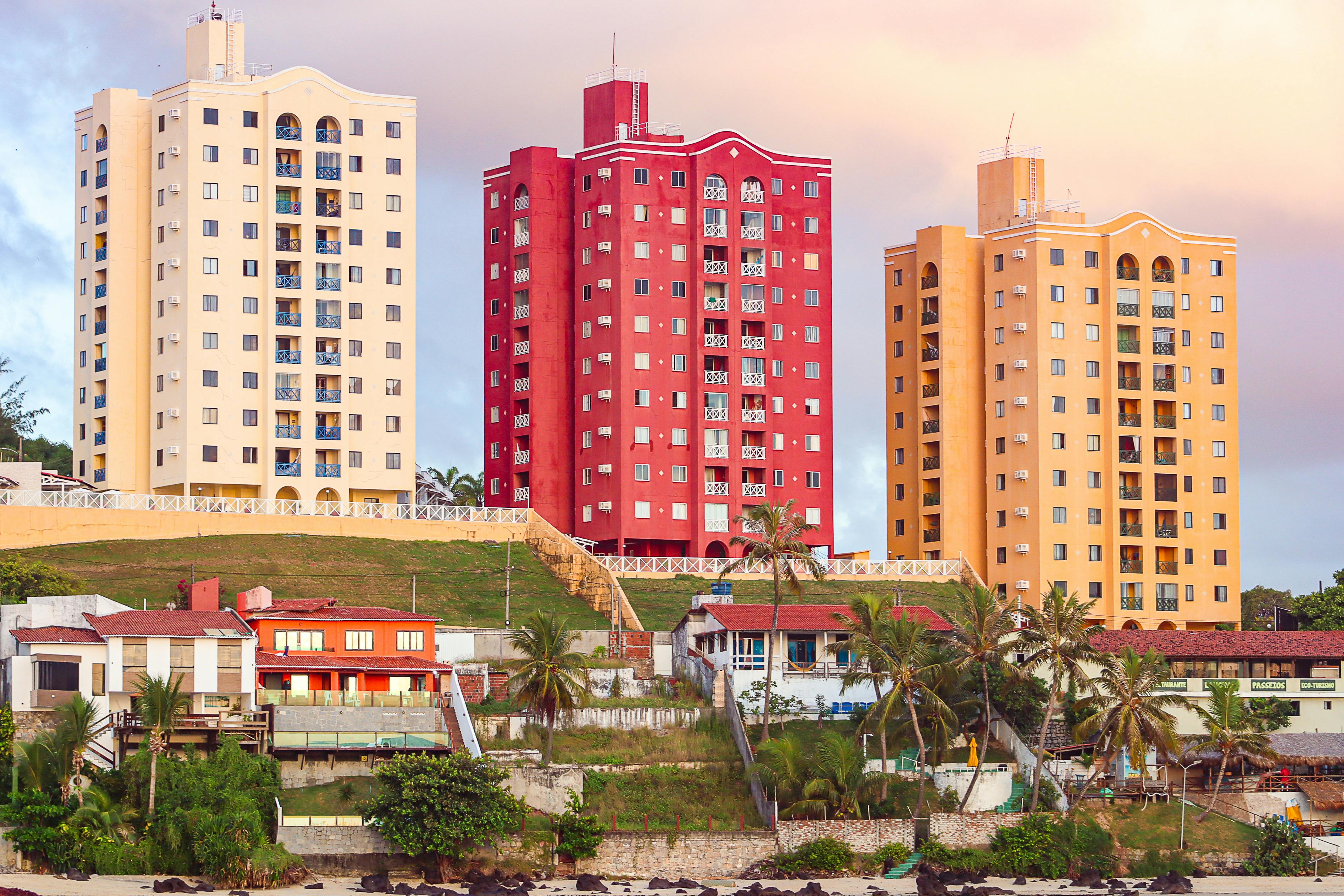 Natal
Image by:Andre Dantas
Natal
Image by:Andre Dantas
Thiès presents a challenging picture due to the uniformity of its data across multiple metrics. Figures for cost of living, quality of life, and property prices across its zones (like Pout, Tivaouane, Khombole) are identical, making it impossible to discern internal variations or understand the true cost and conditions of living within the city itself. This lack of granularity, combined with the absence of direct economic indicators like average salaries, leaves significant gaps in understanding Thiès's operational and investment landscape, suggesting a data limitation or unique reporting methodology that doesn't reflect the city's internal diversity.
Natal, conversely, offers a much more detailed and dynamic dataset. With a population over six times larger (751,300 vs. 115,245), the data reveals a developed urban economy. While specific salary figures for Natal are provided ($19,000 GDP per capita hints at higher income potential), Thiès lacks comparable data. The property market in Natal is clearly more active, with detailed rental prices ($172-$565/month) and purchase costs ($853-$1,369/m²), starkly different from Thiès's uniform property figures. This data richness suggests a more complex economic structure, though the property price-to-income ratio of 14.15 indicates potentially high housing costs.
The quality of life data further highlights the disparity. Despite its uniform figures, Thiès's baseline numbers appear significantly lower than the detailed indices provided for Natal. Natal's Quality of Life Index stands at 118.11, its Purchasing Power Index at 40.94, both considerably higher than Thiès's figures. However, this comes with caveats: Natal's Safety Index is low at 24.27, indicating serious concerns, and its Health Care Index of 42.97 suggests limited access to healthcare services. The detailed indices from nearby areas like Recife (ranging from 35.99 to 332.12) imply substantial regional variation within the broader Natal area, adding another layer of complexity not present in Thiès's data.
Analyzing investment and career opportunities, the data clearly favors Natal. It provides concrete economic indicators: a GDP per capita of $19,000, a GDP growth rate of 2.91%, and a population growth rate of 0.61%, painting a stable but developing picture. The detailed cost of living and property data, alongside the higher income potential, suggests a more established market for investment, particularly in real estate and related services. Thiès, hampered by the complete lack of data on economic growth, employment, or business activity, offers no comparable basis for evaluating its investment potential or career prospects, despite potentially lower operational costs indicated by its uniform figures.
Ultimately, the comparison between Thiès and Natal reveals fundamentally different urban environments accessible with the available data. Thiès appears smaller and, critically, data-poor, making a comprehensive assessment difficult. The uniformity of its figures across categories suggests a reporting limitation rather than reflecting genuine, varied conditions. Natal, while showing strengths in quality of life indices and economic development, presents clear challenges in safety and healthcare access, and its data allows for a more substantial analysis. The path to understanding Thiès remains obscured by its lack of granular, comparable information.
 Thies
Thies Natal
NatalLocal cuisine & dishes
Thies
Natal
 Thies
Thies Natal
NatalTravel & attractions
Thies
Natal
Real estate & living comparison
| Thies | Natal | |
|---|---|---|
| Population | 115,245 | 751,300 |
Last updated: 2026-04-05T17:39:23+00:00
Comments for this comparison