Overview
Cost of Living Index55 / 87.8 Tokyo Singapore
h2
Tokyo and Singapore represent two distinct models of major global cities, differing significantly in scale, culture, and economic structure despite sharing characteristics as high-income hubs. Tokyo, the capital of Japan, boasts a population of approximately 37.4 million city dwellers, making it one of the world's largest metropolitan areas, while Singapore, an island city-state, has a much smaller population of around 5.98 million. Economically, Singapore demonstrates a higher GDP per capita ($127,500) compared to Tokyo ($37,500), reflecting different economic structures and efficiencies. Both cities offer high standards of living, but their approaches to urban planning, infrastructure, and societal norms differ markedly. Singapore consistently ranks higher in global livability indices, while Tokyo presents a unique blend of tradition and technological advancement. The historical development paths of these cities have resulted in distinct urban landscapes, with Singapore being a planned city and Tokyo representing centuries of incremental growth.
Economic & Housing Comparison
Health Care Index78.9 / 71.9 Pollution Index42.5 / 32.3 Tokyo Singapore
h2
Tokyo's economic landscape is characterized by a diverse industrial base with significant strengths in technology, finance, and manufacturing, while Singapore has established itself as a premier global trade and financial center with a more service-oriented economy. The average net monthly salary in Tokyo is approximately $3,056, significantly lower than Singapore's $4,256. This difference in compensation levels reflects the varying cost structures and economic purchasing power in each city. When examining housing, the disparity becomes particularly evident. The price per square meter for apartments in Tokyo's central area is approximately $4,709, substantially lower than Singapore's $23,610. This difference is mirrored in the property price-to-income ratio, with Tokyo at approximately 15.4 and Singapore at approximately 57.0, indicating that housing is significantly more affordable relative to income in Tokyo. Monthly rental costs reflect this disparity as well, with a 1-bedroom apartment in Tokyo's city center averaging $1,938 compared to Singapore's $2,212. The mortgage interest rates also differ, with Tokyo at 1.00% and Singapore at 2.75%, further impacting housing affordability and ownership costs.
Quality of Life Indicators
Property Price to Income Ratio15.9 / 23.4 Purchasing Power Index132.4 / 112.1 Tokyo Singapore
h2
The quality of life in these two major cities presents a complex picture across various dimensions. Safety remains a strong point for both, with Tokyo registering 94.0 and Singapore 93.0 on a 0-100 scale. Healthcare systems in both cities are advanced, though Singapore scores slightly higher at 71.9 compared to Tokyo's 87.6, suggesting potentially better healthcare outcomes or accessibility in Singapore. Environmental factors show notable differences, with Tokyo scoring 49.0 for climate and 32.3 for pollution, while Singapore scores 57.5 for climate and 32.3 for pollution. Singapore's climate is generally considered more temperate and pleasant than Tokyo's humid summers and harsh winters. Commuting represents another area of contrast, with Tokyo's average commute time at 32 minutes compared to Singapore's 26 minutes, though both cities face significant traffic challenges. The overall Quality of Life Index provides a useful summary, with Singapore at 70.0 and Tokyo at 76.0, indicating Tokyo may be perceived as slightly more favorable overall based on these aggregated metrics.
Investment & Career Opportunities
Quality of Life Index179.8 / 157.3 Tokyo Singapore
h2
For professionals considering career paths, both cities offer distinct advantages. Singapore demonstrates stronger potential for rapid career advancement with its highly efficient government bureaucracy and strategic location as a global trade hub. The city-state's compact size also facilitates easier networking and professional mobility within established industries. Tokyo, conversely, offers opportunities in specialized fields like advanced manufacturing, cutting-edge technology research, and finance with some of the world's leading corporations. The career progression may be more hierarchical and slower in some traditional Japanese sectors, though innovation and entrepreneurship are increasingly prominent. From an investment perspective, Singapore presents relatively lower volatility in property markets, though Tokyo offers potentially higher historical returns in certain neighborhoods, particularly outside the absolute city center. Both markets remain highly competitive, with Singapore showing slightly stronger economic growth prospects based on its 1.08% GDP growth rate compared to Tokyo's 1.30%.
Conclusion
Traffic Commute Time Index42.7 / 41 Tokyo Singapore
h2
The decision between Tokyo and Singapore ultimately depends on individual priorities and circumstances. Singapore offers advantages in terms of higher GDP per capita, potentially faster career progression, and generally more temperate climate. Its highly developed infrastructure and efficient public services make it an attractive option for those prioritizing convenience and business opportunities. Tokyo provides advantages in terms of lower cost of living (particularly housing), unique cultural experiences, and opportunities in specialized technological and manufacturing sectors. The cities represent different approaches to urban life - Singapore as a meticulously planned, highly efficient city-state and Tokyo as a complex metropolis blending tradition and innovation. Both offer high standards of living and excellent infrastructure, but the "better" choice depends heavily on individual priorities regarding lifestyle, career goals, budget constraints, and cultural preferences.






 Tokyo
Image by:Kuma Jio
Tokyo
Image by:Kuma Jio
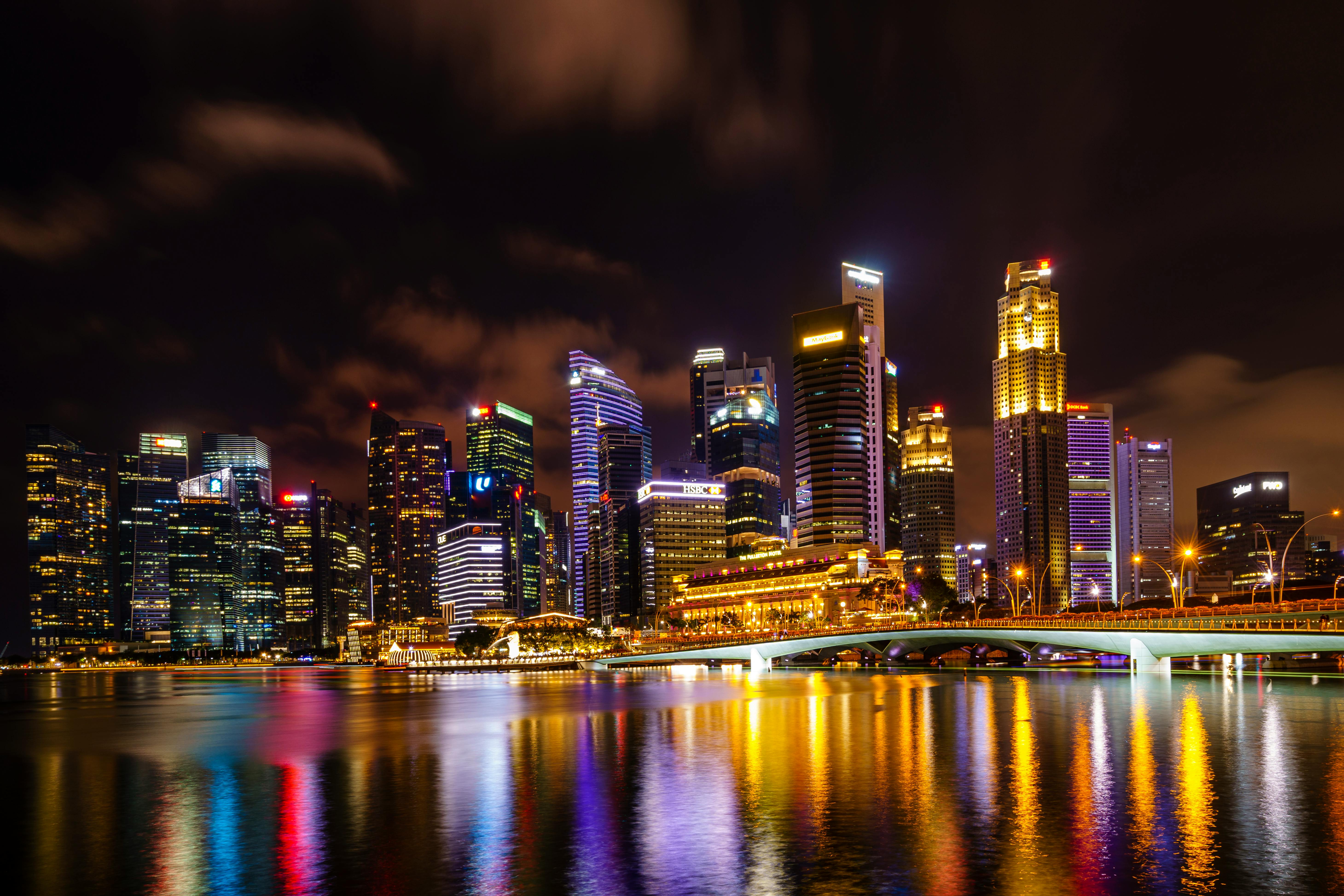 Singapore
Image by:Cyrill
Singapore
Image by:Cyrill
Comments for this comparison