
Tyumen vs. Ibaraki: Detailed 2026 Cost of Living & Quality Comparison
 Tyumen
Image by:Marina Pechnikova
Tyumen
Image by:Marina Pechnikova
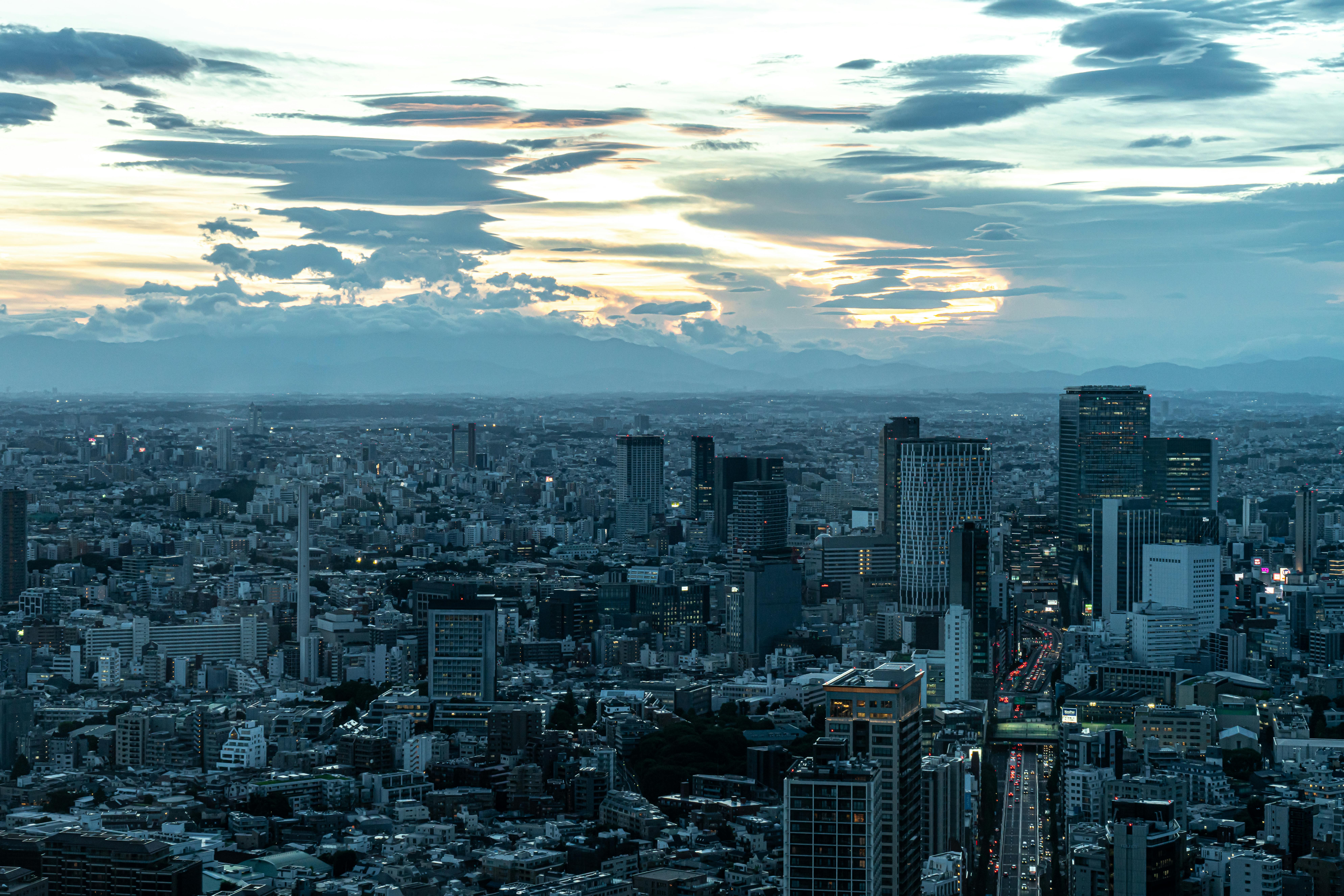 Ibaraki
Image by:Kuma Jio
Ibaraki
Image by:Kuma Jio
Tyumen presents a lower overall cost of living compared to Ibaraki, driven by significantly lower average monthly net salaries ($843.79 USD vs. $2,544.12 USD). This salary differential partially offsets the higher cost of certain goods and services in Ibaraki. However, housing affordability, while appearing slightly cheaper in the city center ($627.73 USD/month) than Ibaraki's center ($401.18 USD/month), is complicated by the lower Tyumen income. The center apartment in Tyumen costs about 0.74 times the average salary, whereas the Ibaraki center apartment represents a higher proportion of its salary, yet the absolute cost is lower. Furthermore, the higher mortgage interest rate in Tyumen adds to the financial burden, though Ibaraki's higher salaries likely provide greater buffer. Despite the lower base cost, the combination of lower salaries and higher housing costs relative to income presents a significant affordability challenge in Tyumen.
The economic landscape favors Ibaraki, with nearly three times the average monthly net salary and a higher GDP per capita ($46,200 USD vs. $39,800 USD). This suggests a more diversified and stable economy, albeit with a slower GDP growth rate (1.68% vs. 0.49%). Tyumen's economy, heavily reliant on the volatile oil and gas sector, offers lower immediate costs but carries inherent risks for long-term financial stability and career progression compared to Ibaraki's position within Japan's robust economy.
Quality of life indicators clearly favor Ibaraki. While Tyumen has a lower Cost of Living Index, metrics for safety, healthcare, and environmental quality are vastly superior in Ibaraki. The Safety Index is significantly higher, reflecting better security; healthcare access and quality are markedly better, indicated by a higher Health Care Index; and the environment is cleaner, shown by a much lower Pollution Index. Although Ibaraki's Climate Index is slightly lower than Tyumen's, suggesting a more favorable climate perception, the overall picture points to a much better quality of life in Ibaraki, outweighing Tyumen's cost advantages.
Ibaraki offers substantially greater job security and career potential due to its stable economy and higher average salary ($2,544.12 USD). This higher salary provides a larger financial cushion, even after accounting for the generally higher cost of living. In contrast, Tyumen's heavy reliance on the energy sector presents a higher risk for long-term career stability and investment security. While Ibaraki's population growth is modest, its economic stability and higher earnings potential make it a more attractive long-term prospect than Tyumen's lower costs but potentially greater economic instability.
Ultimately, the choice between Tyumen and Ibaraki hinges on individual priorities. Tyumen offers lower living costs, particularly salaries and some goods, within a resource-rich Russian economy. However, it faces challenges including a harsher climate, potentially lower quality of life in key areas like safety, healthcare, and environment, and higher housing costs relative to income. Ibaraki, despite higher costs, provides significantly better quality of life, enhanced safety, superior healthcare, and a cleaner environment, coupled with greater job security and higher earnings potential. For long-term career development and a better overall quality of life in a stable, developed economy, Ibaraki presents the more compelling proposition, even with the associated higher costs.
 Tyumen
 Ibaraki
Local cuisine & dishes
Tyumen
Ibaraki
 Tyumen
 Ibaraki
Travel & attractions
Tyumen
Ibaraki
Real estate & living comparison
| Tyumen | Ibaraki | |
|---|---|---|
| Jeans (Levi's 501 or Similar) | 77.96 USD | 26.75 USD |
| Men's Leather Business Shoes | 135.85 USD | 80.24 USD |
| Apples (1 kg) | 1.81 USD | 7.63 USD |
| Bananas (1 kg) | 1.79 USD | 3.18 USD |
| 1 Bedroom Apartment in City Centre | 627.73 USD | 401.18 USD |
| 1 Bedroom Apartment Outside of City Centre | 405.74 USD | 263.11 USD |
| Bottled Water (0.33 Liter) | 1.11 USD | 0.64 USD |
| Cappuccino (Regular Size) | 2.62 USD | 2.86 USD |
| Average Monthly Net Salary (After Tax) | 843.79 USD | 2544.12 USD |
| GDP Growth Rate: | 3.6 USD | 1.68 USD |
| Cinema Ticket (International Release) | 6.2 USD | 9.54 USD |
| Monthly Fitness Club Membership | 48.94 USD | 31.8 USD |
| Gasoline (1 Liter) | 0.78 USD | 1.12 USD |
| Monthly Public Transport Pass (Regular Price) | 24.78 USD | 59.6 USD |
| Basic Utilities for 85 m2 Apartment (Electricity, Heating, Cooling, Water, Garbage) | 94.05 USD | 135.16 USD |
| Broadband Internet (Unlimited Data, 60 Mbps or Higher) | 8.84 USD | 25.44 USD |
| Population | 861,100 | 283,835 |
Last updated: 2026-04-05T17:42:35+00:00
Comments for this comparison