
Wilmington vs. Ibaraki: Detailed 2026 Cost of Living & Quality Comparison
 Wilmington
Image by:Andre Ellis
Wilmington
Image by:Andre Ellis
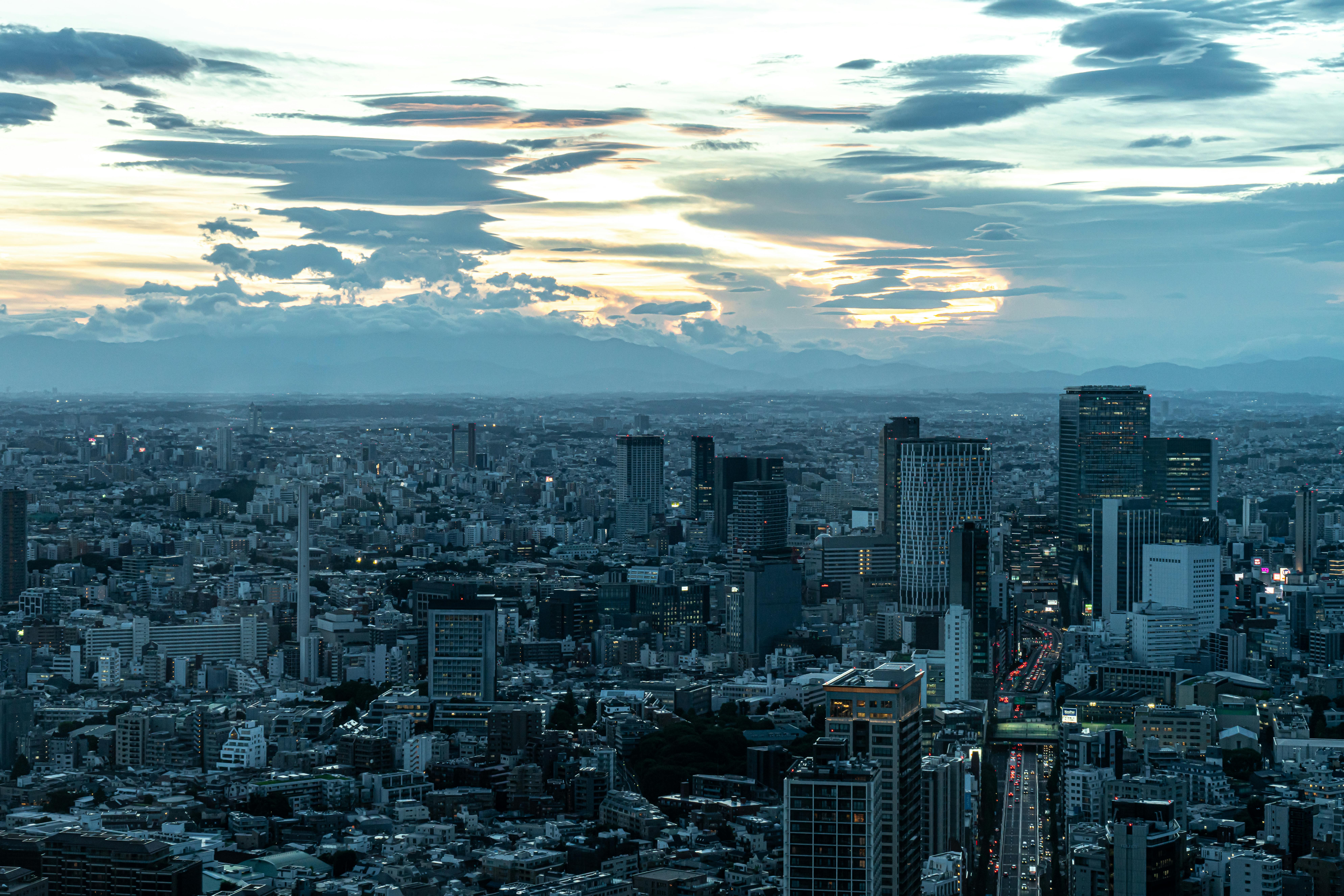 Ibaraki
Image by:Kuma Jio
Ibaraki
Image by:Kuma Jio
Wilmington presents a distinct urban profile compared to Ibaraki, marked by a higher GDP per capita ($74,600 versus $46,200) and a slightly faster population growth rate (0.67% versus 0.43%). While Wilmington offers a higher monthly net salary ($3,958) than Ibaraki ($2,544), its overall cost of living is significantly elevated. This is particularly evident in housing, where a one-bedroom apartment in the city center costs $1,237, substantially more than the $401 rental price in Ibaraki. Furthermore, Wilmington's property values are considerably higher, ranging from $319 to $379, reflecting a stark contrast to the likely lower implied property costs in Ibaraki. Although transportation costs for a standard car model (like a Corolla) are comparable between the two cities, daily expenses including groceries and dining out are generally lower in Ibaraki, making it a more affordable option despite Wilmington's higher income potential.
The economic analysis underscores Wilmington's advantages in income and population growth, but these benefits come with a significant financial burden. The city's higher cost of living, driven by expensive housing and daily necessities, means that even with a higher salary, residents face substantial expenses. A one-bedroom apartment outside the city center still costs $812 in Wilmington, far exceeding the $263 found in Ibaraki. This disparity extends to property ownership, where the price range of $319-$379 in Wilmington represents a much higher investment than implied by the lower rent figures in Ibaraki. While transportation costs for acquiring a vehicle are similar, the higher overall expenditure in Wilmington necessitates careful financial planning for potential residents and investors.
Assessing quality of life reveals notable differences, though data for Ibaraki remains less detailed. Wilmington demonstrates superior measurable outcomes in safety (index 55.09) and healthcare access (index 59.17), suggesting better public safety and healthcare infrastructure. The city also boasts a higher climate index (87.92), potentially indicating a more favorable perception of its environment. Commuting is notably efficient, with a typical journey taking just 15 minutes. However, Wilmington reports a higher pollution index (20.99), contrasting with the likely cleaner air and lower stress levels associated with daily commutes in Ibaraki, where specific quality metrics were not provided. The trade-off involves better measurable safety and healthcare in Wilmington versus potentially cleaner air and lower daily stress in Ibaraki, despite the lack of quantifiable data for the latter.
For investors and long-term residents, Wilmington offers compelling economic prospects with its higher net salary and faster population growth, suggesting a dynamic job market. Yet, these opportunities are accompanied by significantly higher investment requirements, particularly for housing and daily living expenses. The short commute time is a lifestyle advantage, but the high cost of living demands prudent budget management. Ibaraki presents a more financially accessible option, with lower property values and daily costs, potentially offering a higher standard of living for the available income. Lifestyle considerations like healthcare and safety show Wilmington to be potentially superior, but residents would face substantially higher costs for these benefits, while Ibaraki offers affordability with less detailed quality-of-life metrics available.
In conclusion, Wilmington and Ibaraki represent fundamentally different urban experiences. Wilmington provides higher earning potential, faster population growth, and potentially superior safety and healthcare metrics, but at a significantly higher cost of living, especially for housing and daily necessities. Ibaraki offers a substantially lower cost of living and potentially cleaner air, but the data suggests potentially lower safety and healthcare indices, and while Wilmington's pollution levels are relatively low, Ibaraki's specific figures were not provided. The decision between these cities hinges on individual priorities: those prioritizing career growth, perceived safety, and healthcare access in the US market, despite the financial strain, might lean towards Wilmington. Conversely, individuals or families seeking a lower cost of living, potentially better value for money, and a more affordable lifestyle, even with potentially less detailed quality-of-life data available for Ibaraki, might find Ibaraki a more suitable choice.
 Wilmington
 Ibaraki
Local cuisine & dishes
Wilmington
Ibaraki
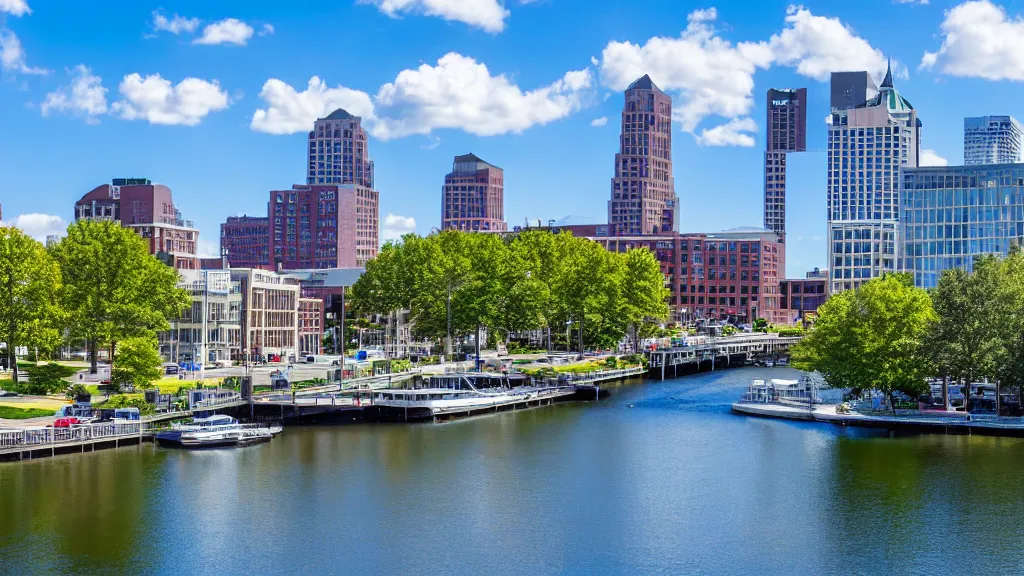 Wilmington
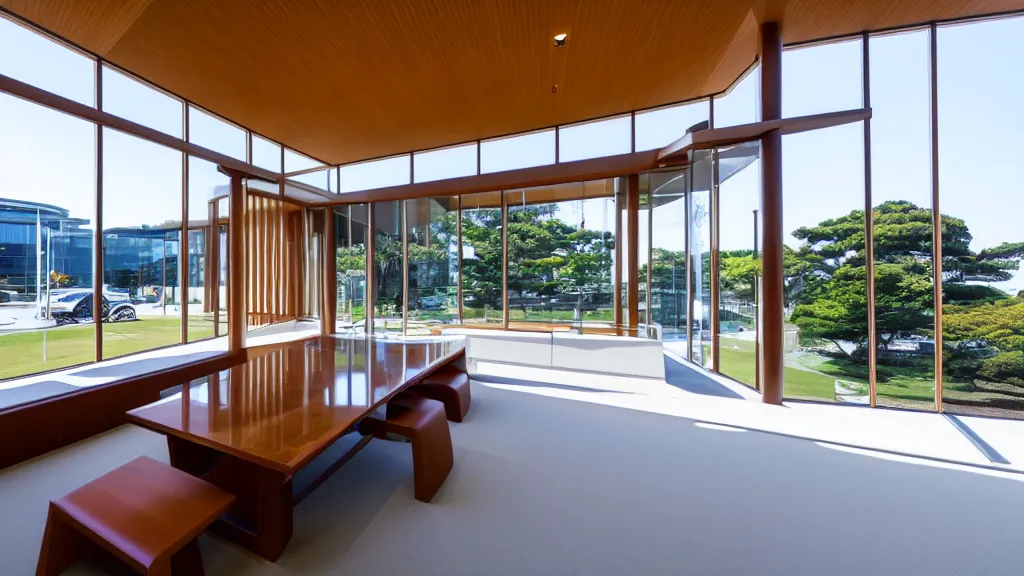 Ibaraki
Travel & attractions
Wilmington
Ibaraki
Real estate & living comparison
| Wilmington | Ibaraki | |
|---|---|---|
| Jeans (Levi's 501 or Similar) | 55 USD | 26.75 USD |
| Men's Leather Business Shoes | 113.33 USD | 80.24 USD |
| Apples (1 kg) | 7.16 USD | 7.63 USD |
| Bananas (1 kg) | 1.9 USD | 3.18 USD |
| 1 Bedroom Apartment in City Centre | 1478.33 USD | 401.18 USD |
| 1 Bedroom Apartment Outside of City Centre | 1149.8 USD | 263.11 USD |
| Bottled Water (0.33 Liter) | 2.4 USD | 0.64 USD |
| Cappuccino (Regular Size) | 5.67 USD | 2.86 USD |
| Average Monthly Net Salary (After Tax) | 3957.77 USD | 2544.12 USD |
| GDP Growth Rate: | 2.89 USD | 1.68 USD |
| Cinema Ticket (International Release) | 12 USD | 9.54 USD |
| Monthly Fitness Club Membership | 61.33 USD | 31.8 USD |
| Gasoline (1 Liter) | 0.78 USD | 1.12 USD |
| Monthly Public Transport Pass (Regular Price) | 80 USD | 59.6 USD |
| Basic Utilities for 85 m2 Apartment (Electricity, Heating, Cooling, Water, Garbage) | 181.01 USD | 135.16 USD |
| Broadband Internet (Unlimited Data, 60 Mbps or Higher) | 70.67 USD | 25.44 USD |
| Population | 275,128 | 283,835 |
Last updated: 2026-04-05T11:32:40+00:00
Comments for this comparison