
Zibo vs. Hiratsuka: Detailed 2026 Cost of Living & Quality Comparison
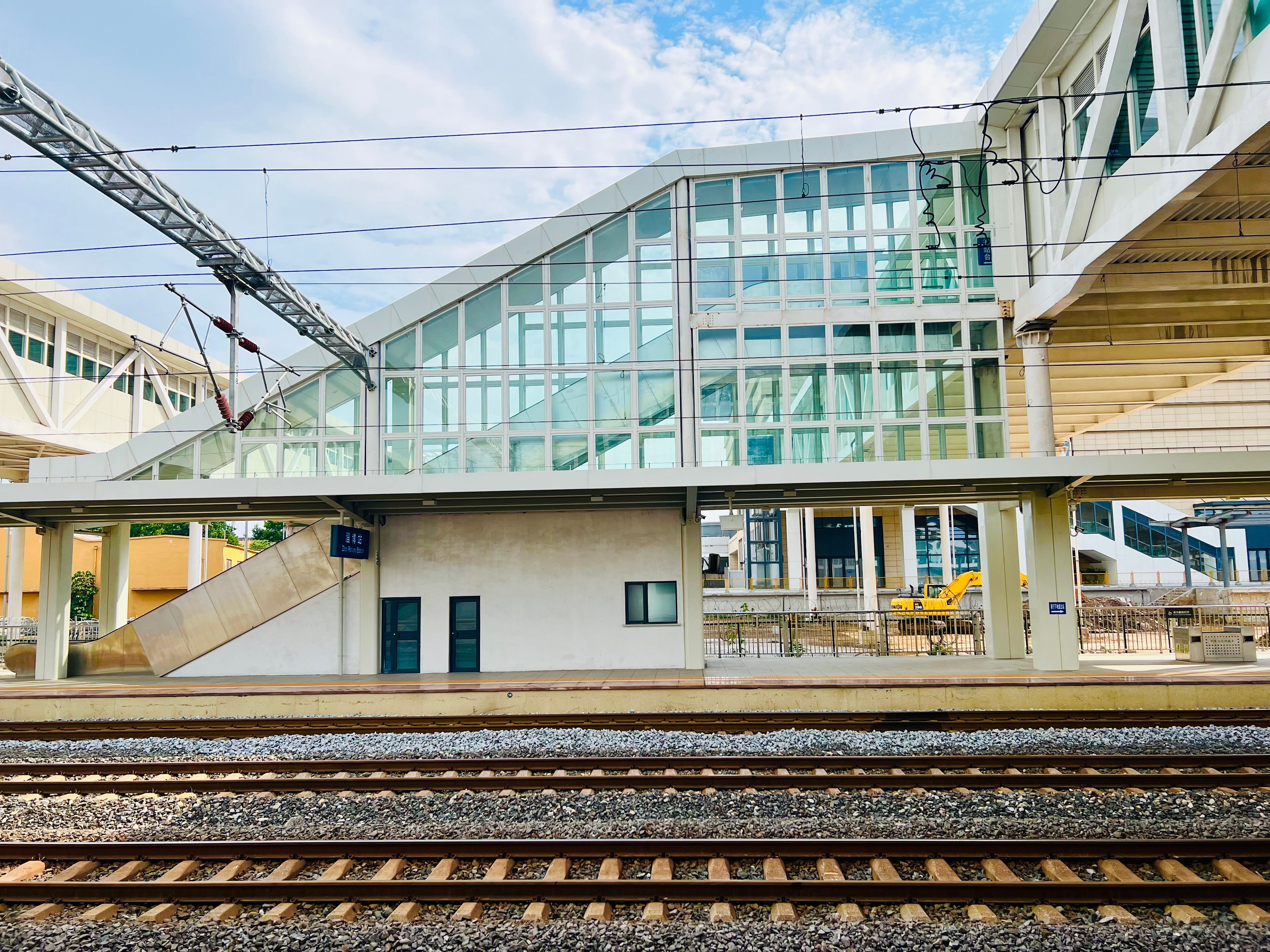 Zibo
Image by:KJ Brix
Zibo
Image by:KJ Brix
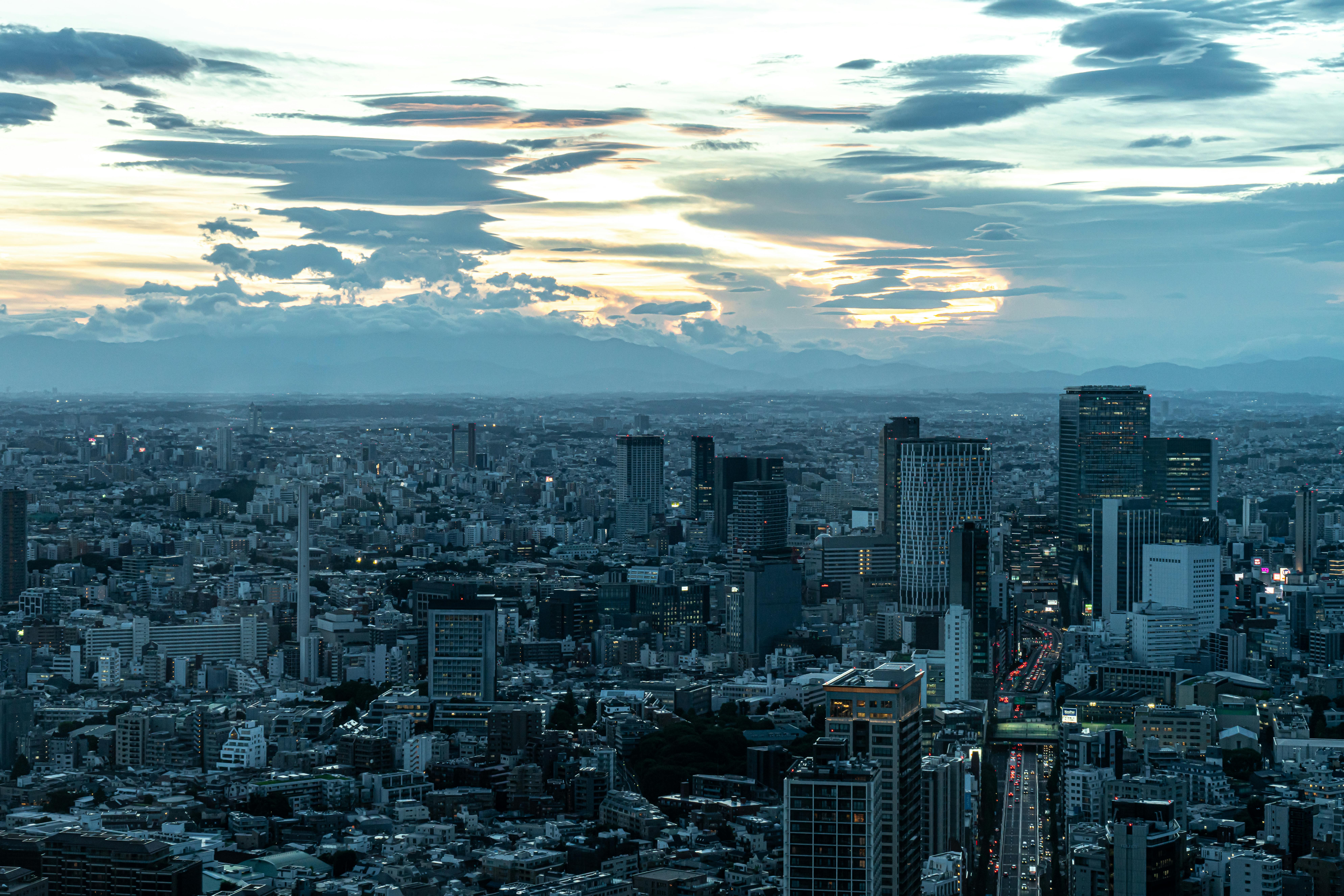 Hiratsuka
Image by:Kuma Jio
Hiratsuka
Image by:Kuma Jio
Zibo's economy operates on a different scale than Hiratsuka's. Zibo, China's industrial powerhouse with a population over two and a half million, boasts a GDP per capita of $22,100 and a rapid 5.25% growth rate, reflecting its dynamic, large-scale development. In stark contrast, Hiratsuka, Japan's smaller city with about 257,662 residents, possesses a significantly higher GDP per capita of $46,200, indicating greater wealth per resident, albeit with a slower economic expansion of just 1.68%. This fundamental difference sets the stage: Zibo offers the potential for rapid advancement within a vast industrial setting, while Hiratsuka suggests greater affluence and stability, albeit in a more compact environment.
The economic disparity directly influences the cost of living and housing. Hiratsuka's higher GDP per capita naturally correlates with a more expensive cost of living, particularly housing. While Zibo's monthly rent for a city-center 1-bedroom apartment is $217.63, Hiratsuka's property price indices and implied cost structures suggest its housing market is far more expensive relative to income than Zibo's. Zibo's average net monthly salary after tax is $725.44, considerably lower than what the data suggests is needed in Hiratsuka to comfortably cover its costs. Furthermore, while Zibo's mortgage rate is 6.0%, Hiratsuka's rate is much lower at 2.02%, potentially making homeownership slightly easier there despite the higher overall costs.
Quality of life metrics paint a clearer picture favoring Hiratsuka. Its quality of life index score is significantly higher than Zibo's, suggesting superior overall living conditions, likely encompassing public services, safety, and amenities. Supporting this, Hiratsuka shows lower utility costs ($57.13/month for basics, data unavailable for Zibo) and lower childcare expenses (kindergarten fees averaging $324.38 monthly and $14,790 annually for primary school, compared to Zibo's higher implied costs). While Hiratsuka has slightly higher grocery prices for meat and produce due to Japan's import reliance and taxes, and a notably higher average monthly broadband cost ($31.32 vs. Zibo's $5.66), its overall quality of life appears superior. Zibo's higher air quality index suggests cleaner air, but the data implies potentially less robust healthcare access compared to Hiratsuka's likely better-equipped system, reflected in the quality of life score.
For career prospects and investment, the trade-offs are significant. Zibo's 5.25% economic growth rate and large industrial base offer a dynamic environment potentially suited for rapid career advancement, particularly in manufacturing or related sectors. The lower cost of living, despite the lower net salary ($725.44), makes Zibo attractive for stretching income further. Conversely, Hiratsuka offers a higher base salary level (implied by its cost of living and GDP per capita), a more stable economic climate, and lower mortgage rates (2.02%). However, this comes with a much higher cost structure for housing, groceries, and childcare, making it less affordable overall. Hiratsuka suits those prioritizing job stability and a higher immediate standard of living, accepting the higher costs; Zibo appeals more to those prioritizing career growth potential and affordability.
Ultimately, Zibo and Hiratsuka represent distinct urban experiences demanding different priorities. Zibo is the quintessential developing industrial city, offering lower costs of living, significant potential for career growth, and a lower tax burden. Hiratsuka is an affluent, compact Japanese city with a demonstrably superior quality of life index and lower mortgage rates, but at a vastly higher cost structure. Choosing Zibo means prioritizing affordability and growth potential, accepting a potentially lower quality of life and lower base income. Choosing Hiratsuka means prioritizing a higher quality of life and financial stability, accepting significantly higher living expenses and a slower economic pace.
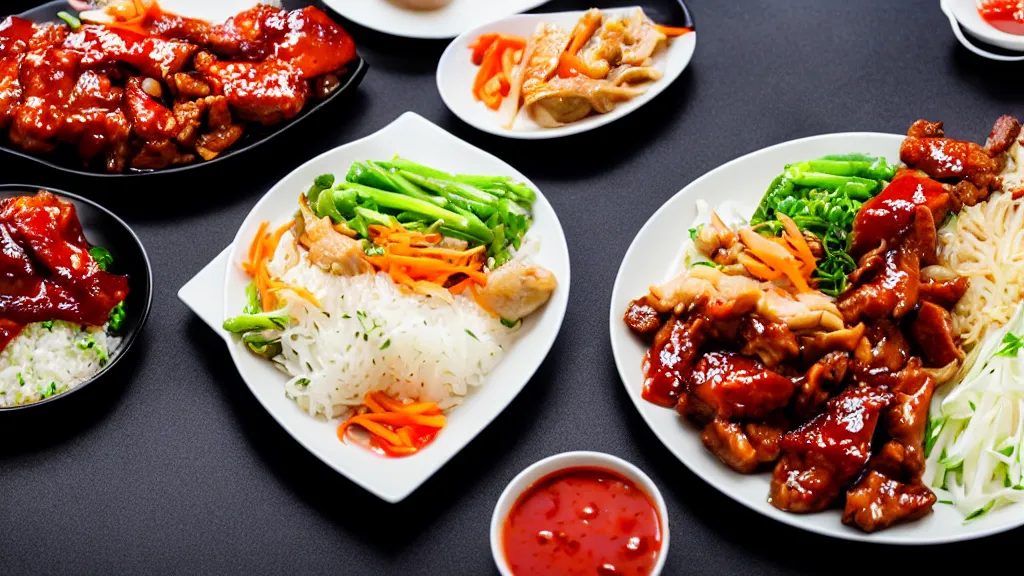 Zibo
Zibo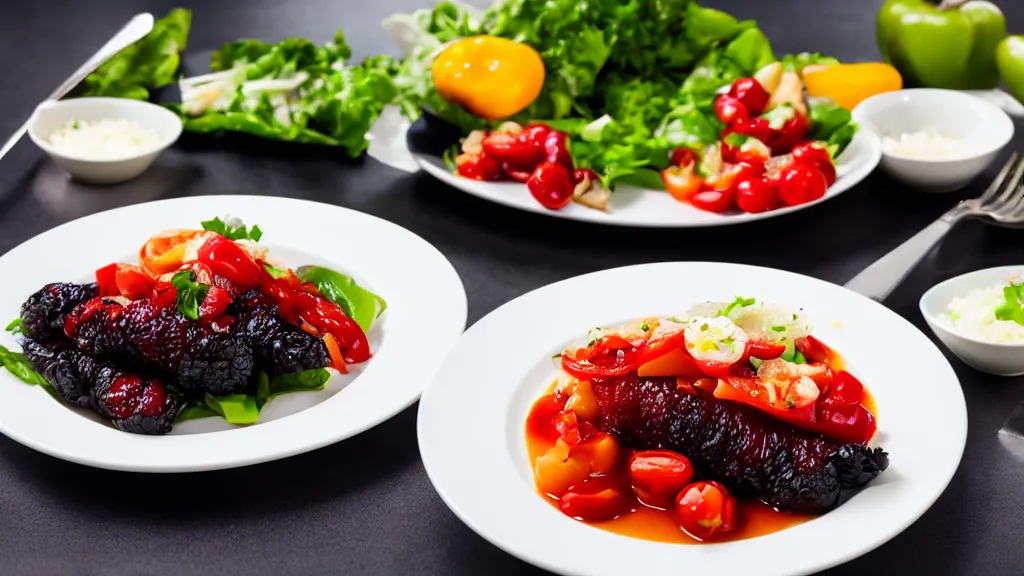 Hiratsuka
Local cuisine & dishes
Zibo
Hiratsuka
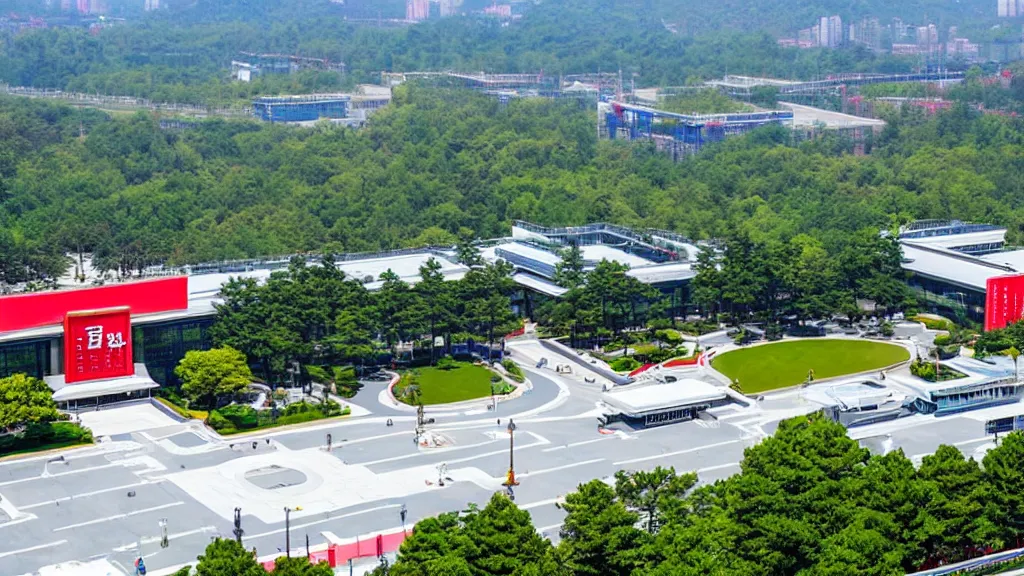 Zibo
Zibo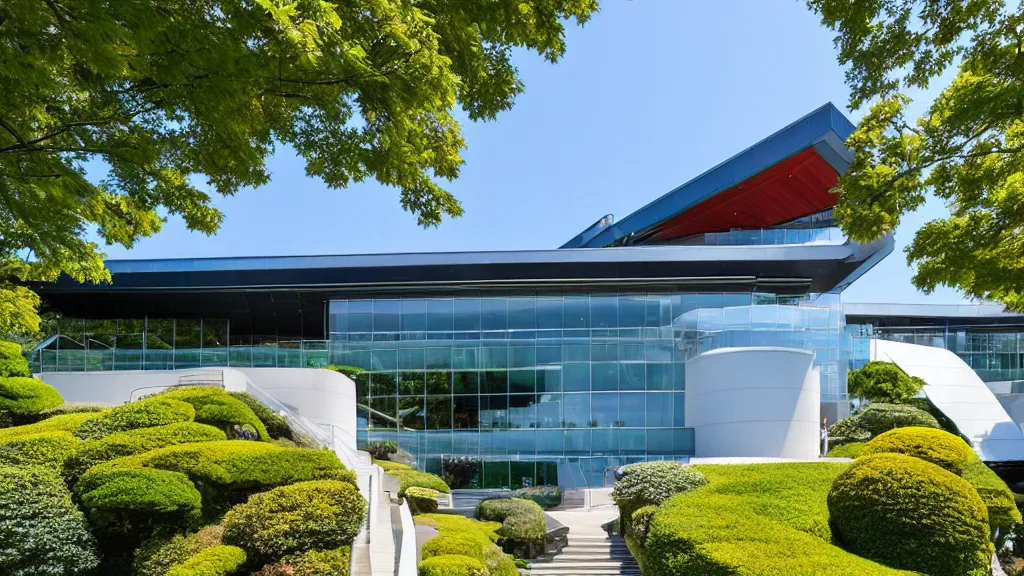 Hiratsuka
Travel & attractions
Zibo
Hiratsuka
Real estate & living comparison
| Zibo | Hiratsuka | |
|---|---|---|
| International Primary School, Annual Tuition per Child | 17275.07 USD | 14789.83 USD |
| Private Full-Day Preschool or Kindergarten, Monthly Fee per Child | 174.1 USD | 324.38 USD |
| Jeans (Levi's 501 or Similar) | 29.02 USD | 46.81 USD |
| Men's Leather Business Shoes | 87.02 USD | 98.58 USD |
| Apples (1 kg) | 1.16 USD | 8.27 USD |
| Bananas (1 kg) | 0.87 USD | 2.97 USD |
| Bottled Water (0.33 Liter) | 0.32 USD | 0.74 USD |
| Cappuccino (Regular Size) | 2.9 USD | 2.39 USD |
| Annual Mortgage Interest Rate (20-Year Fixed, in %) | 3.42 USD | 2.02 USD |
| GDP Growth Rate: | 5.25 USD | 1.68 USD |
| Cinema Ticket (International Release) | 6.53 USD | 11.45 USD |
| Gasoline (1 Liter) | 1.09 USD | 1.05 USD |
| Taxi 1 Hour Waiting (Standard Tariff) | 8.71 USD | 15.9 USD |
| Basic Utilities for 85 m2 Apartment (Electricity, Heating, Cooling, Water, Garbage) | 57.13 USD | 116.61 USD |
| Broadband Internet (Unlimited Data, 60 Mbps or Higher) | 5.66 USD | 31.32 USD |
| Population | 2,631,647 | 257,662 |
Last updated: 2026-04-05T05:15:23+00:00
Comments for this comparison