
Zibo vs. Hong Kong: Detailed 2026 Cost of Living & Quality Comparison
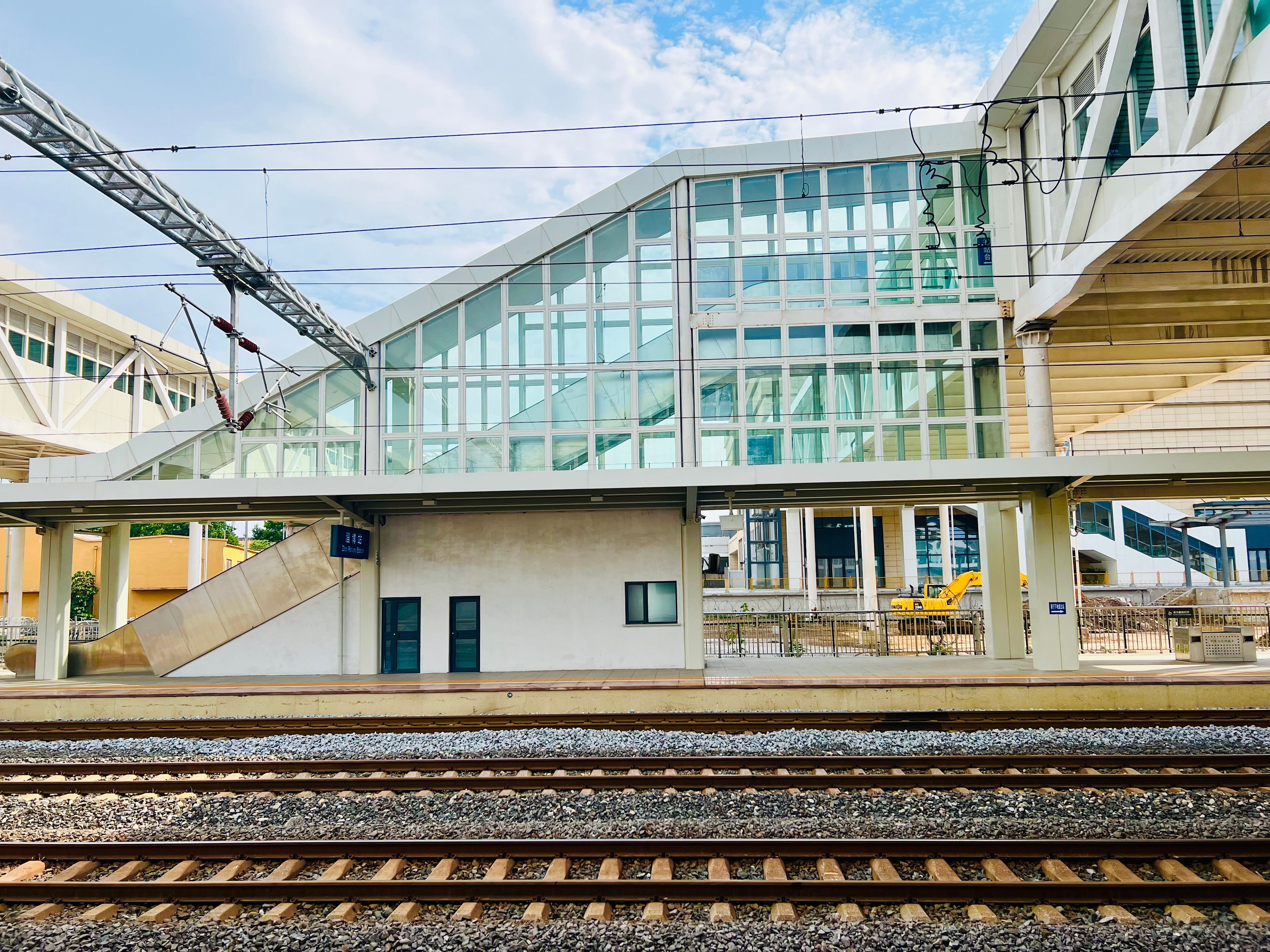 Zibo
Image by:KJ Brix
Zibo
Image by:KJ Brix
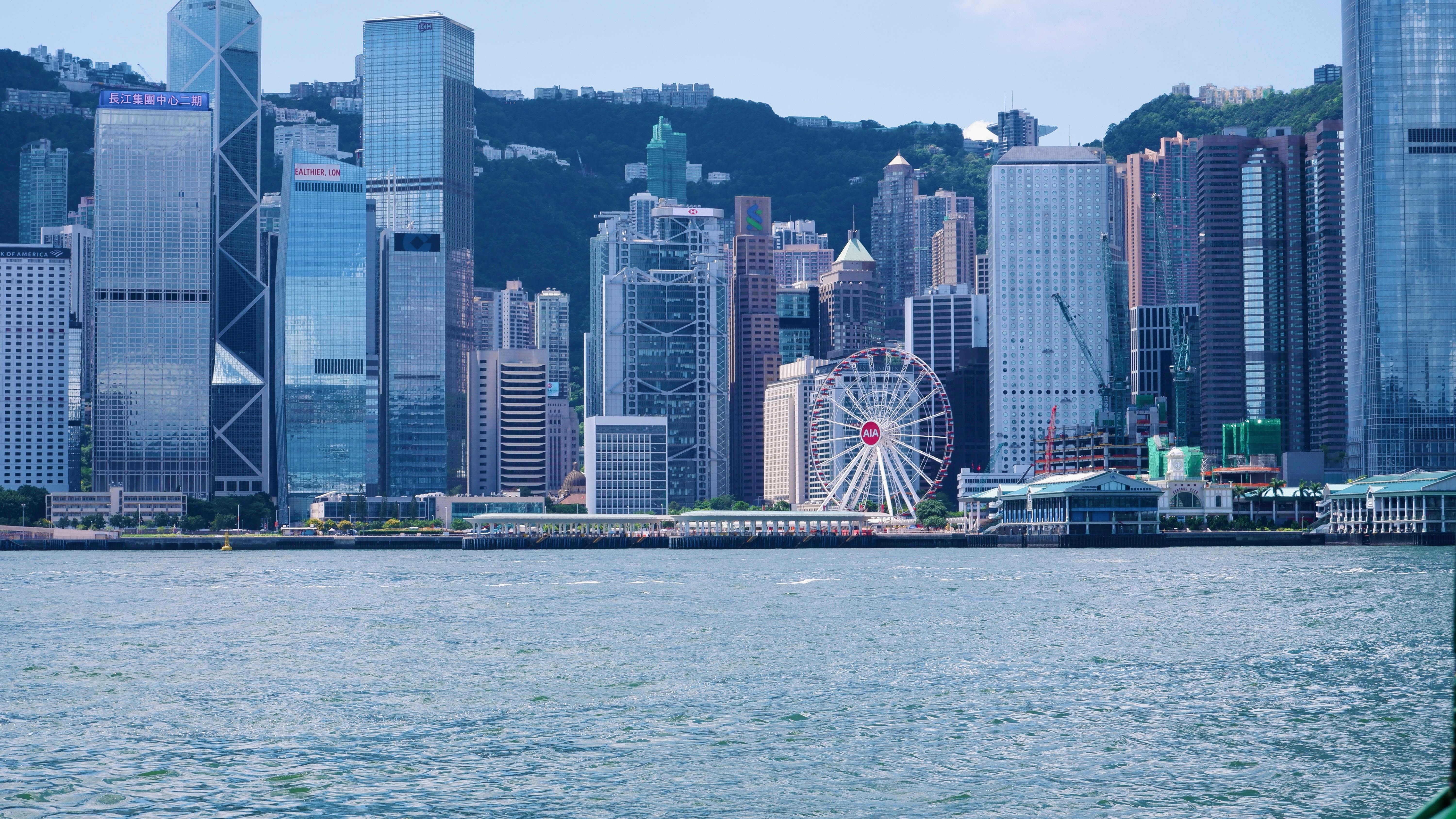 Hong Kong
Image by:Kevin Huynh
Hong Kong
Image by:Kevin Huynh
Zibo, with a population of around 2.6 million, presents a fundamentally different economic landscape compared to Hong Kong, the bustling global financial center home to over 7 million. Zibo's economy, marked by a lower average income and a modest population increase, functions as a developing industrial base. Hong Kong, conversely, boasts a significantly higher average income and a slower population growth, reflecting its mature, service-driven economy. This inherent difference sets the stage for stark contrasts in living expenses and quality of life considerations for the year 2026.
The economic disparity translates directly into living costs, with Hong Kong being substantially more expensive. Zibo offers salaries roughly half the level of Hong Kong, making it a more financially accessible option for many. Housing costs mirror this trend, with Zibo's city-center rent being a mere fraction of Hong Kong's exorbitant rates. While Hong Kong's property prices are astronomical, rendering homeownership largely inaccessible for the average earner, Zibo's market, though less defined by specific figures, presents a far more attainable path, albeit with significant financial pressures still present.
Beyond the bottom line, Hong Kong generally offers a higher quality of life index and superior access to healthcare services. However, this comes at a steep price. Even basic necessities, like bread, cost nearly three times more in Hong Kong than in Zibo. Zibo's overall cost-of-living index is considerably lower, reflecting cheaper expenses across the board. While Hong Kong provides the amenities and infrastructure of a global hub, Zibo delivers a more affordable lifestyle, albeit one potentially lacking in some aspects of global convenience and high-end services.
For those considering investment and career paths in 2026, the choices align with the cities' profiles. Hong Kong's higher GDP per capita and stable growth cater to high-income earners and investors seeking established opportunities. Zibo, despite its lower salaries, attracts those prioritizing affordability and growth potential within a rapidly expanding economy and dynamic industrial sector. The decision hinges on whether an individual values financial stability and global access or prioritizes a lower cost of living and potential long-term economic ascent.
Ultimately, Zibo and Hong Kong occupy opposite ends of the spectrum regarding cost of living and economic opportunity. Zibo is the pragmatic choice for those seeking affordability and a developing market, while Hong Kong represents the high-reward, high-cost option for global careers and a specific, premium quality of life. The core trade-off remains the balance between financial sustainability and the aspirational benefits offered by a major international metropolis.
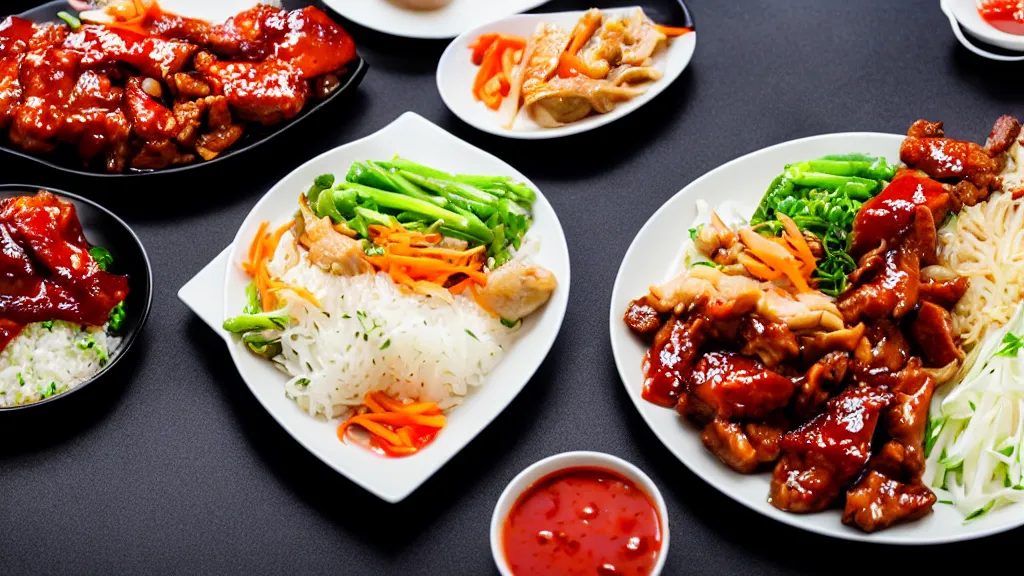 Zibo
Zibo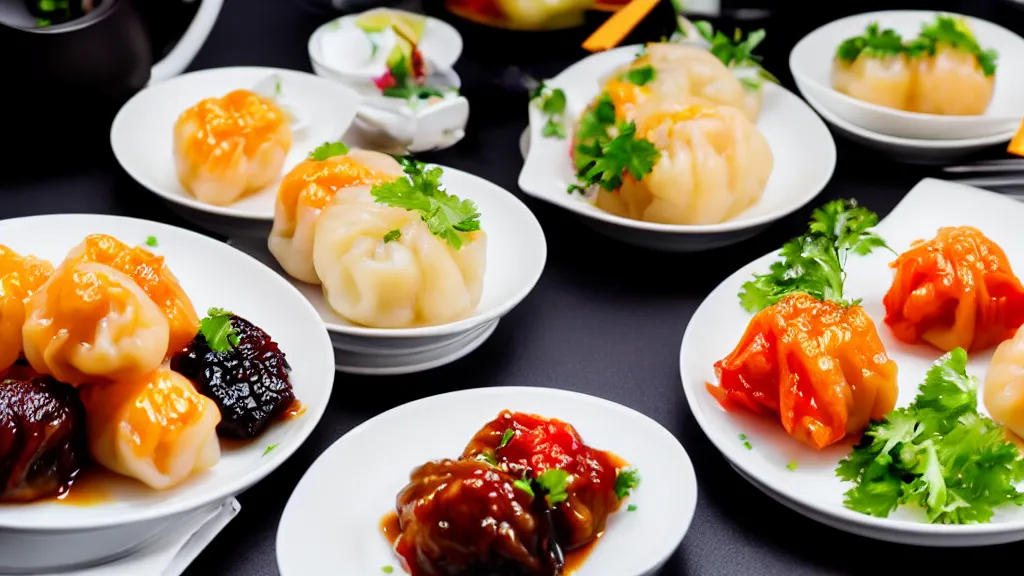 Hong Kong
Local cuisine & dishes
Zibo
Hong Kong
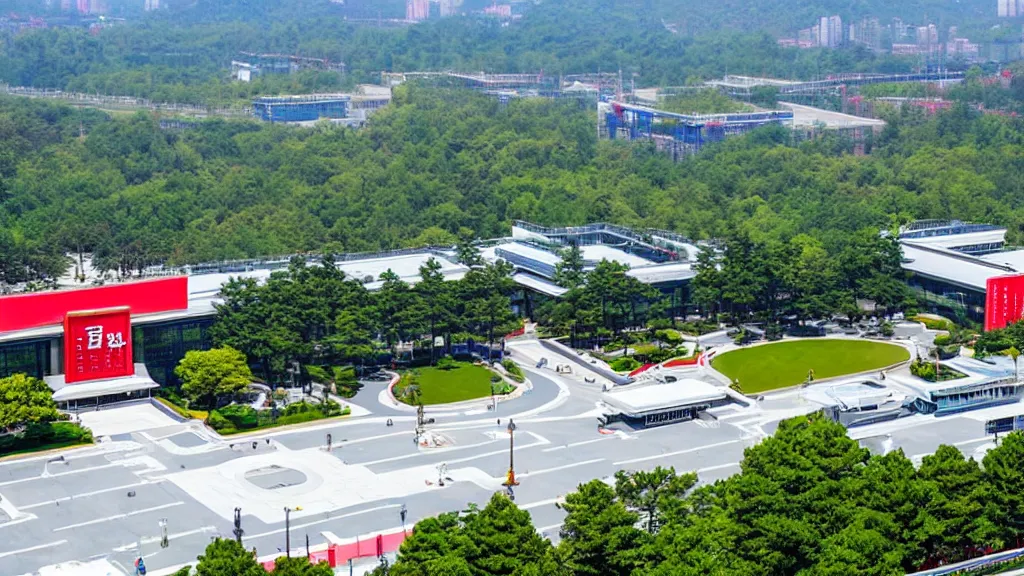 Zibo
Zibo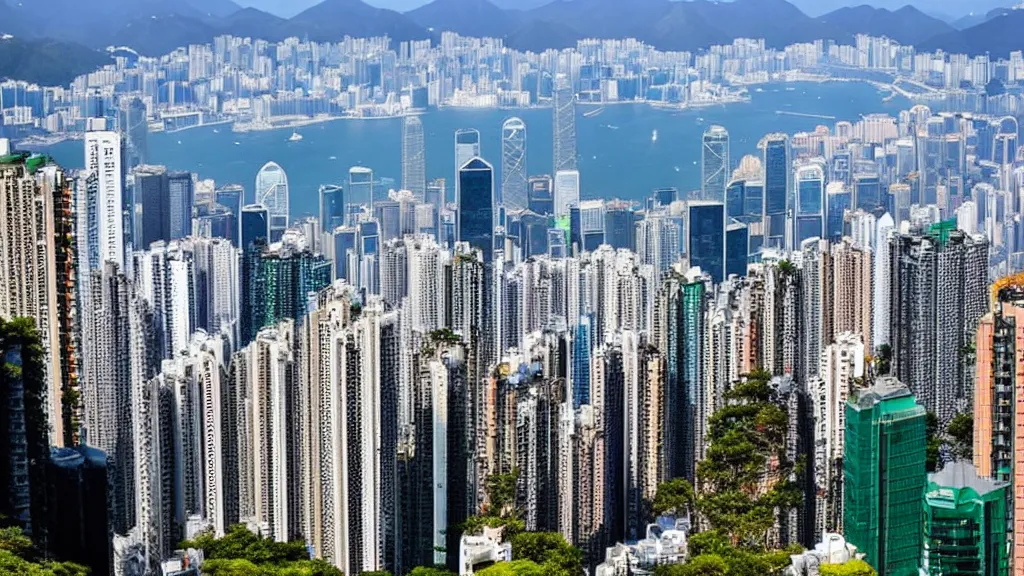 Hong Kong
Travel & attractions
Zibo
Hong Kong
Real estate & living comparison
| Zibo | Hong Kong | |
|---|---|---|
| International Primary School, Annual Tuition per Child | 17275.07 USD | 22671.12 USD |
| Private Full-Day Preschool or Kindergarten, Monthly Fee per Child | 174.1 USD | 1013.82 USD |
| Jeans (Levi's 501 or Similar) | 29.02 USD | 72.88 USD |
| Men's Leather Business Shoes | 87.02 USD | 129.76 USD |
| Apples (1 kg) | 1.16 USD | 3.78 USD |
| Bananas (1 kg) | 0.87 USD | 2.39 USD |
| 1 Bedroom Apartment in City Centre | 217.63 USD | 2227.99 USD |
| Bottled Water (0.33 Liter) | 0.32 USD | 1.1 USD |
| Cappuccino (Regular Size) | 2.9 USD | 4.99 USD |
| Annual Mortgage Interest Rate (20-Year Fixed, in %) | 6 USD | 3.76 USD |
| Average Monthly Net Salary (After Tax) | 725.44 USD | 3321.74 USD |
| Cinema Ticket (International Release) | 6.53 USD | 13.44 USD |
| Gasoline (1 Liter) | 1.09 USD | 3.26 USD |
| Monthly Public Transport Pass (Regular Price) | 58.03 USD | 70.1 USD |
| Basic Utilities for 85 m2 Apartment (Electricity, Heating, Cooling, Water, Garbage) | 57.13 USD | 222.56 USD |
| Broadband Internet (Unlimited Data, 60 Mbps or Higher) | 5.66 USD | 18.76 USD |
| Population | 2,631,647 | 7,450,000 |
Last updated: 2026-04-05T04:45:08+00:00
Comments for this comparison