
Zibo vs. Telford: Detailed 2026 Cost of Living & Quality Comparison
 Zibo
Image by:KJ Brix
Zibo
Image by:KJ Brix
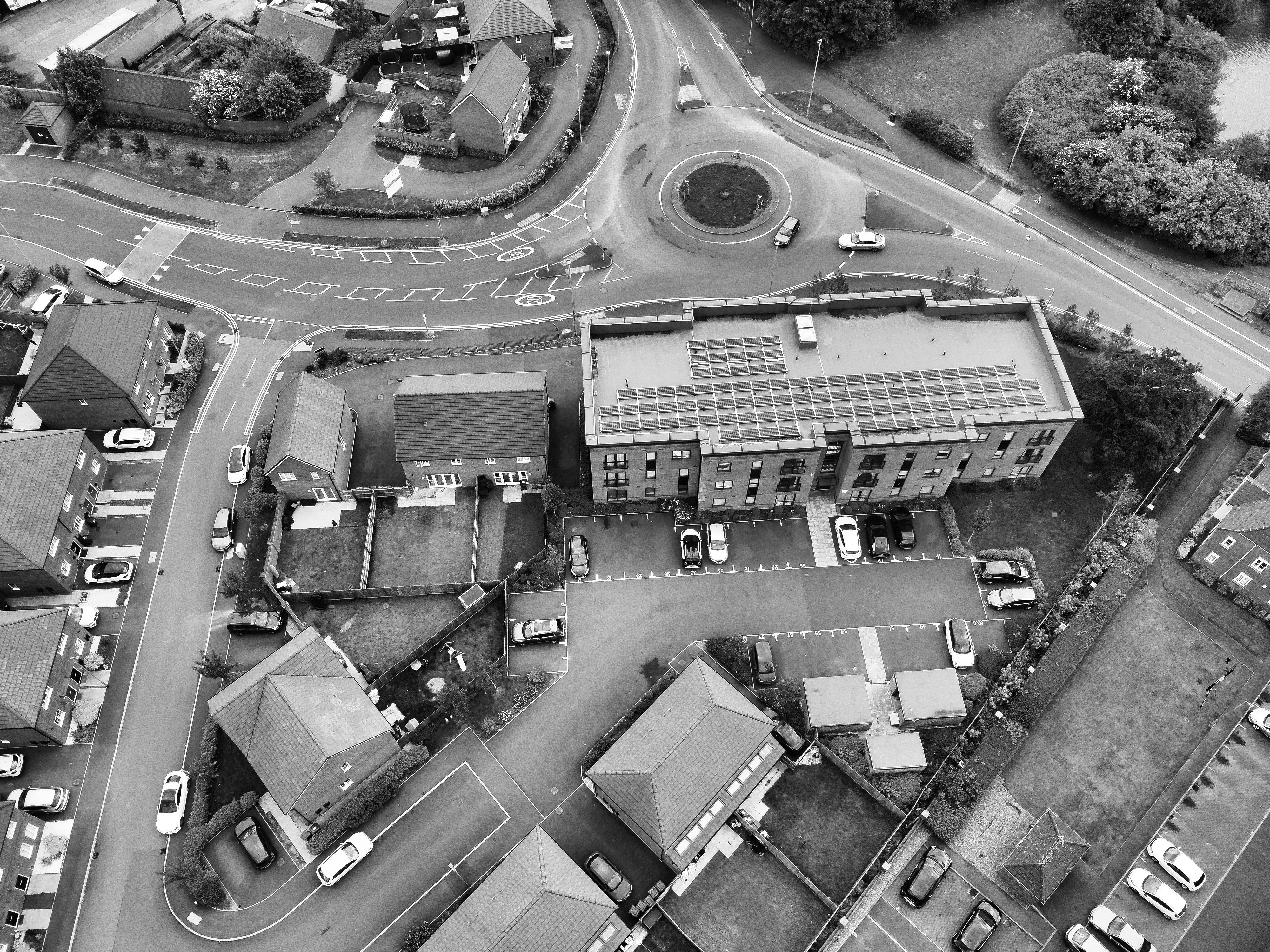 Telford
Image by:Altaf Shah
Telford
Image by:Altaf Shah
Zibo and Telford present starkly different urban environments in 2026, fundamentally shaped by their economic structures and cost of living. Zibo, a major Chinese city with over two and a half million inhabitants, boasts a significantly lower overall cost of living. Food, transportation, utilities, and accommodation are all substantially cheaper here than in the UK's Telford, which is home to around 142,723 people. Conversely, Telford exhibits a much higher cost of living, particularly concerning housing and transport, reflecting its position in a developed economy. While Zibo shows rapid GDP growth (5.25%) and a lower GDP per capita ($22,100), Telford demonstrates higher average salaries ($2,705.71) and a much higher GDP per capita ($54,500), albeit with slower economic expansion. These initial figures underscore the core differences, setting the stage for a deeper analysis across multiple dimensions.
Economically, the disparity is immediately evident in salaries and housing costs. Zibo's average net salary is considerably lower at $725.44 per month compared to Telford's $2,705.71. This income difference directly impacts affordability, most acutely in housing. Renting a one-bedroom apartment in Zibo's city center costs just $217.63 per month, a fraction of Telford's range of $668.08 to $835.10 for the same accommodation. Furthermore, the cost of buying a new compact car is substantially lower in Zibo ($18,846.85) than in Telford (over $33,000). While Telford's higher salaries partially offset these greater costs, the overall financial burden, especially the high property price-to-income ratio (11.63), makes Telford significantly more expensive for most residents compared to Zibo.
The quality of life metrics reveal a complex interplay, with Zibo showing strengths in healthcare access and environmental quality, while Telford generally scores higher in safety and certain public services typical of developed nations. Zibo's healthcare index is notably high at 84.72, suggesting strong access and outcomes. However, Telford's safety index (63.16) and climate index (84.19) align more closely with Western European standards. Crucially, Zibo demonstrates significantly superior environmental quality, with a low pollution index of just 12.96, indicating cleaner air likely due to less industrial intensity than Telford. Zibo also scores higher in quality of life than many other Chinese cities, though some scores exceed 200, suggesting strong local perceptions. Telford, conversely, offers better public services like education, shown by higher international school tuition fees ($15,964.50 annually) and reflected in higher utility and transport costs, representing a trade-off between Zibo's environment and healthcare versus Telford's services.
For investors and career-focused individuals, the cities offer contrasting profiles. Zibo presents lower entry costs for business establishment and property investment, attractive for those capitalizing on China's large domestic market or specific sectors, supported by its dynamic 5.25% GDP growth rate. Its lower GDP per capita ($22,100) suggests potential for individual income growth. Telford, however, offers a more established economy with a higher GDP per capita ($54,500) and stable, albeit slower (0.34%) growth. The higher salaries ($2,705.71) provide greater disposable income, but the slower growth might limit long-term career acceleration compared to Zibo's potentially faster-paced market. Telford's expensive property market might offer stability, but the high cost relative to income presents significant financial risk.
Ultimately, Zibo and Telford are fundamentally distinct urban environments. Zibo offers a substantially lower cost of living, particularly housing, food, and transport, making it an attractive option for those prioritizing affordability and seeking opportunities in a rapidly growing Chinese city. However, this comes with trade-offs: lower average salaries and less developed public services compared to Telford. Telford provides a higher standard of living with better public services, higher salaries, and a cleaner environment, but at a significantly higher financial cost, especially for housing. The decision hinges on individual priorities: affordability, rapid growth, and lower operational costs favour Zibo, while higher income, established services, and a potentially cleaner setting, despite the higher expenses, lean towards Telford. The data clearly shows no single city excels in all categories, demanding careful alignment of personal or organizational goals with specific metrics.
 Zibo
Zibo Telford
Local cuisine & dishes
Zibo
Telford
 Zibo
Zibo Telford
Travel & attractions
Zibo
Telford
Real estate & living comparison
| Zibo | Telford | |
|---|---|---|
| International Primary School, Annual Tuition per Child | 17275.07 USD | 15964.5 USD |
| Private Full-Day Preschool or Kindergarten, Monthly Fee per Child | 174.1 USD | 1603.38 USD |
| Jeans (Levi's 501 or Similar) | 29.02 USD | 48.1 USD |
| Men's Leather Business Shoes | 87.02 USD | 100.21 USD |
| Apples (1 kg) | 1.16 USD | 2.45 USD |
| Bananas (1 kg) | 0.87 USD | 1.82 USD |
| 1 Bedroom Apartment in City Centre | 217.63 USD | 835.1 USD |
| Bottled Water (0.33 Liter) | 0.32 USD | 1.08 USD |
| Cappuccino (Regular Size) | 2.9 USD | 4.01 USD |
| Annual Mortgage Interest Rate (20-Year Fixed, in %) | 6 USD | 6.1 USD |
| Average Monthly Net Salary (After Tax) | 725.44 USD | 2705.71 USD |
| Cinema Ticket (International Release) | 6.53 USD | 16.03 USD |
| Gasoline (1 Liter) | 1.09 USD | 1.82 USD |
| Monthly Public Transport Pass (Regular Price) | 58.03 USD | 149.65 USD |
| Basic Utilities for 85 m2 Apartment (Electricity, Heating, Cooling, Water, Garbage) | 57.13 USD | 290.41 USD |
| Broadband Internet (Unlimited Data, 60 Mbps or Higher) | 5.66 USD | 36.08 USD |
| Population | 2,631,647 | 142,723 |
Last updated: 2026-04-05T04:49:26+00:00
Comments for this comparison