
Changsha vs. Cimahi: Detailed 2026 Cost of Living & Quality Comparison
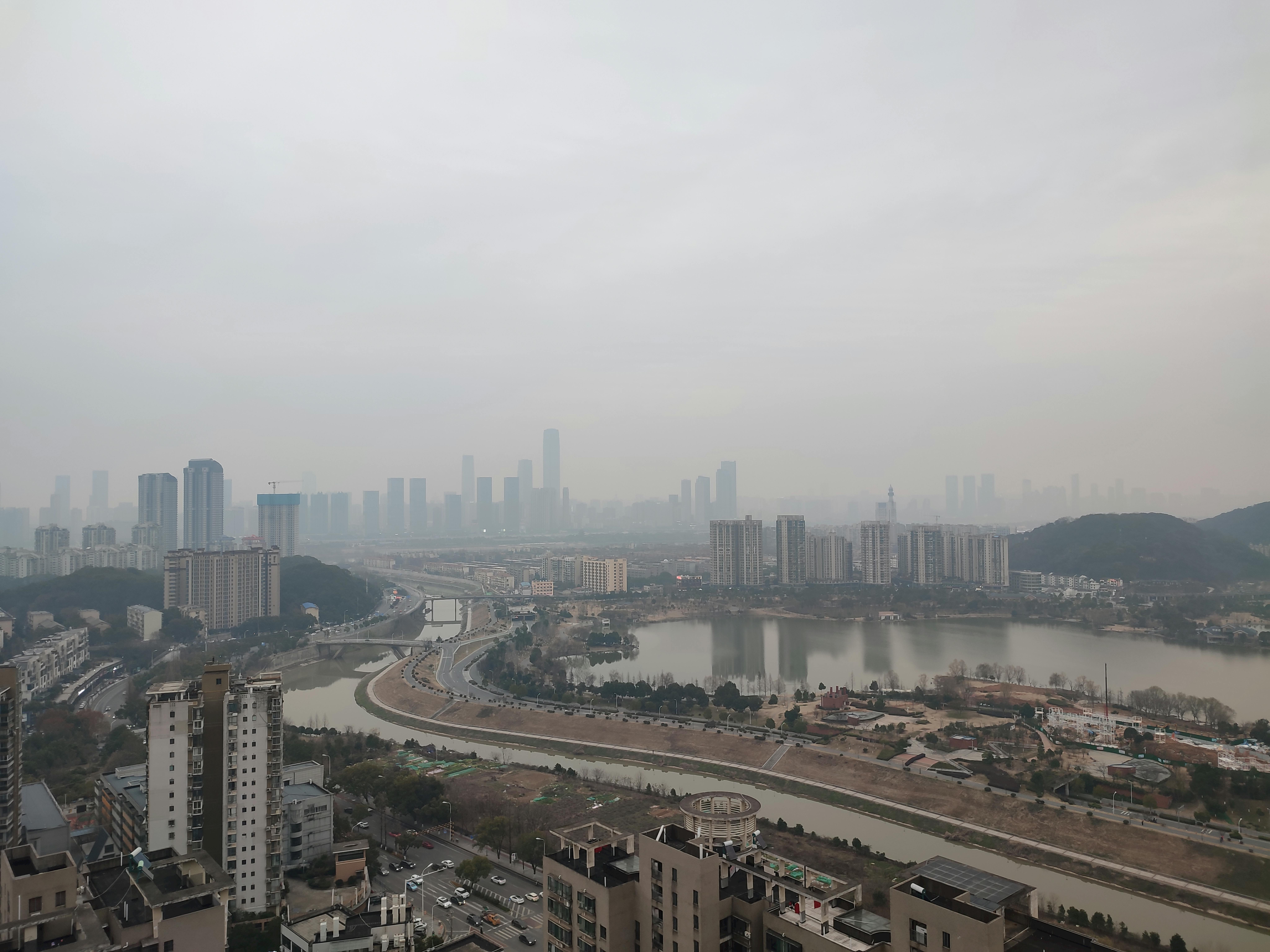 Changsha
Image by:CHINA YU
Changsha
Image by:CHINA YU
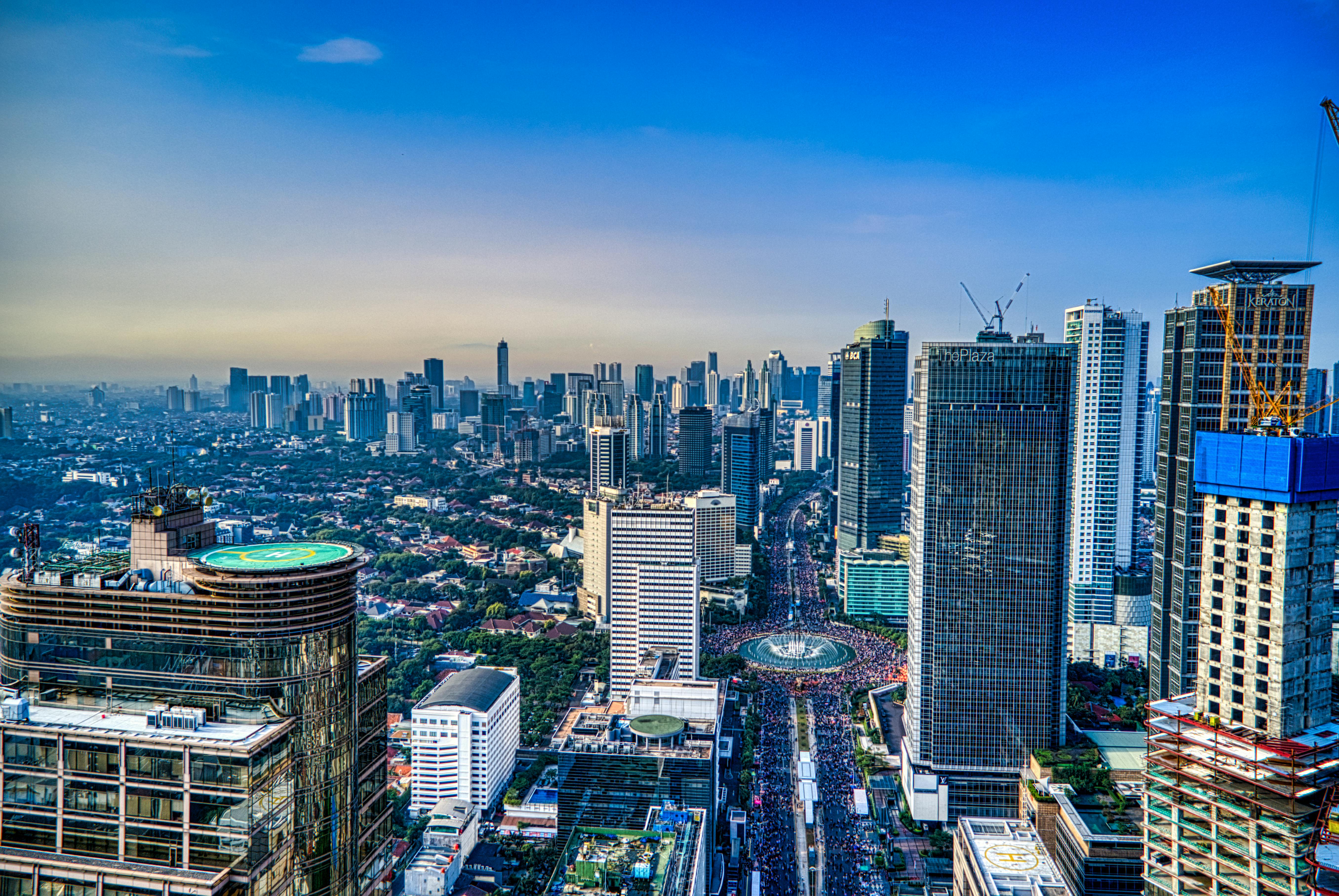 Cimahi
Image by:Tom Fisk
Cimahi
Image by:Tom Fisk
Changsha, a sprawling metropolis in China with a population exceeding four million, presents a vastly different economic and urban landscape compared to Cimahi (Bandung), Indonesia, home to approximately 586,580 residents. Changsha's higher GDP per capita, nearly double that of Cimahi, signals a more significant economic engine, while its lower mortgage interest rate offers a more favorable environment for long-term borrowing and investment. Conversely, Cimahi's lower GDP per capita points to a less developed economy, reflected partly in its higher mortgage rates, which could pose challenges for property financing despite potentially lower overall costs in some areas.
The cost of living disparity between these two cities is stark, with Cimahi emerging as significantly cheaper for most essential daily expenses. Residents of Cimahi will find basic food staples like milk, bread, rice, eggs, and fresh produce considerably less expensive than in Changsha. Transportation costs, encompassing public fares, fuel, and car prices, are also lower in Cimahi. Even utilities, mobile phone plans, and internet services come at a marginally reduced cost. However, this affordability comes with minor trade-offs, such as slightly higher kindergarten fees, and potentially steeper domestic school costs compared to the Chinese context. Property, naturally, is the most pronounced difference, with Cimahi's prices being substantially lower, reflecting its smaller scale and economic profile.
When it comes to quality of life, Changsha demonstrates clear advantages, particularly concerning safety and economic opportunity. The city's higher safety index underscores a potentially more secure environment for residents. This aligns with its robust GDP per capita, suggesting greater resources for public services, infrastructure, and higher disposable income, which often correlates with better access to healthcare and environmental amenities in larger, developed urban centers like Changsha. Cimahi's quality metrics, inferred from regional comparisons like Jakarta's lower safety index, appear less favorable or less defined, making direct comparison difficult, though the lower cost of living, especially regarding housing, remains a significant quality-of-life factor for many.
The economic environment and investment climate further differentiate the two cities. Changsha's lower mortgage interest rate fosters a more conducive atmosphere for long-term financial planning, career advancement, and stable property investment. Its higher GDP per capita indicates stronger economic resilience and potentially more job opportunities. Cimahi, while offering lower costs for operations and living, faces headwinds with its higher mortgage rates, which can restrict access to credit and complicate long-term asset acquisition. The near-identical population growth rates (0.73%) does little to alter the fundamental comparison, as Changsha's larger base suggests a more established market.
Ultimately, the choice between Changsha and Cimahi hinges on prioritizing economic vitality, career prospects, safety, and lower borrowing costs against the allure of a significantly lower cost of living, particularly for essentials and property. Changsha represents a larger, more dynamic, and potentially safer environment with greater earning potential and cheaper borrowing, albeit at a higher cost for most daily needs. Cimahi, conversely, offers substantial savings on consumables, transport, utilities, and housing, but grapples with higher financing costs and potentially less defined quality-of-life metrics like safety, demanding careful consideration of these trade-offs for 2026.
 Changsha
 Cimahi
Local cuisine & dishes
Changsha
Cimahi
 Changsha
 Cimahi
Travel & attractions
Changsha
Cimahi
Real estate & living comparison
| Changsha | Cimahi | |
|---|---|---|
| International Primary School, Annual Tuition per Child | 16322.33 USD | 7600.44 USD |
| Private Full-Day Preschool or Kindergarten, Monthly Fee per Child | 330.8 USD | 100.03 USD |
| Jeans (Levi's 501 or Similar) | 88.1 USD | 41.49 USD |
| Men's Leather Business Shoes | 72.54 USD | 75.12 USD |
| Apples (1 kg) | 2.83 USD | 2.43 USD |
| Bananas (1 kg) | 1.36 USD | 1.23 USD |
| Bottled Water (0.33 Liter) | 0.26 USD | 0.26 USD |
| Cappuccino (Regular Size) | 3.48 USD | 1.6 USD |
| Annual Mortgage Interest Rate (20-Year Fixed, in %) | 3.46 USD | 9.25 USD |
| Average Monthly Net Salary (After Tax) | 1165.51 USD | 266.74 USD |
| Cinema Ticket (International Release) | 6.53 USD | 2.96 USD |
| Monthly Fitness Club Membership | 60.36 USD | 14.82 USD |
| Gasoline (1 Liter) | 1.12 USD | 0.76 USD |
| One-Way Ticket (Local Transport) | 0.44 USD | 0.47 USD |
| Basic Utilities for 85 m2 Apartment (Electricity, Heating, Cooling, Water, Garbage) | 45.31 USD | 39.13 USD |
| Broadband Internet (Unlimited Data, 60 Mbps or Higher) | 14.51 USD | 20.72 USD |
| Population | 4,766,296 | 586,580 |
Last updated: 2026-04-05T05:04:10+00:00
Comments for this comparison