
Ghazni vs. Rome: Detailed 2026 Cost of Living & Quality Comparison
 Ghazni
Image by:Suliman Sallehi
Ghazni
Image by:Suliman Sallehi
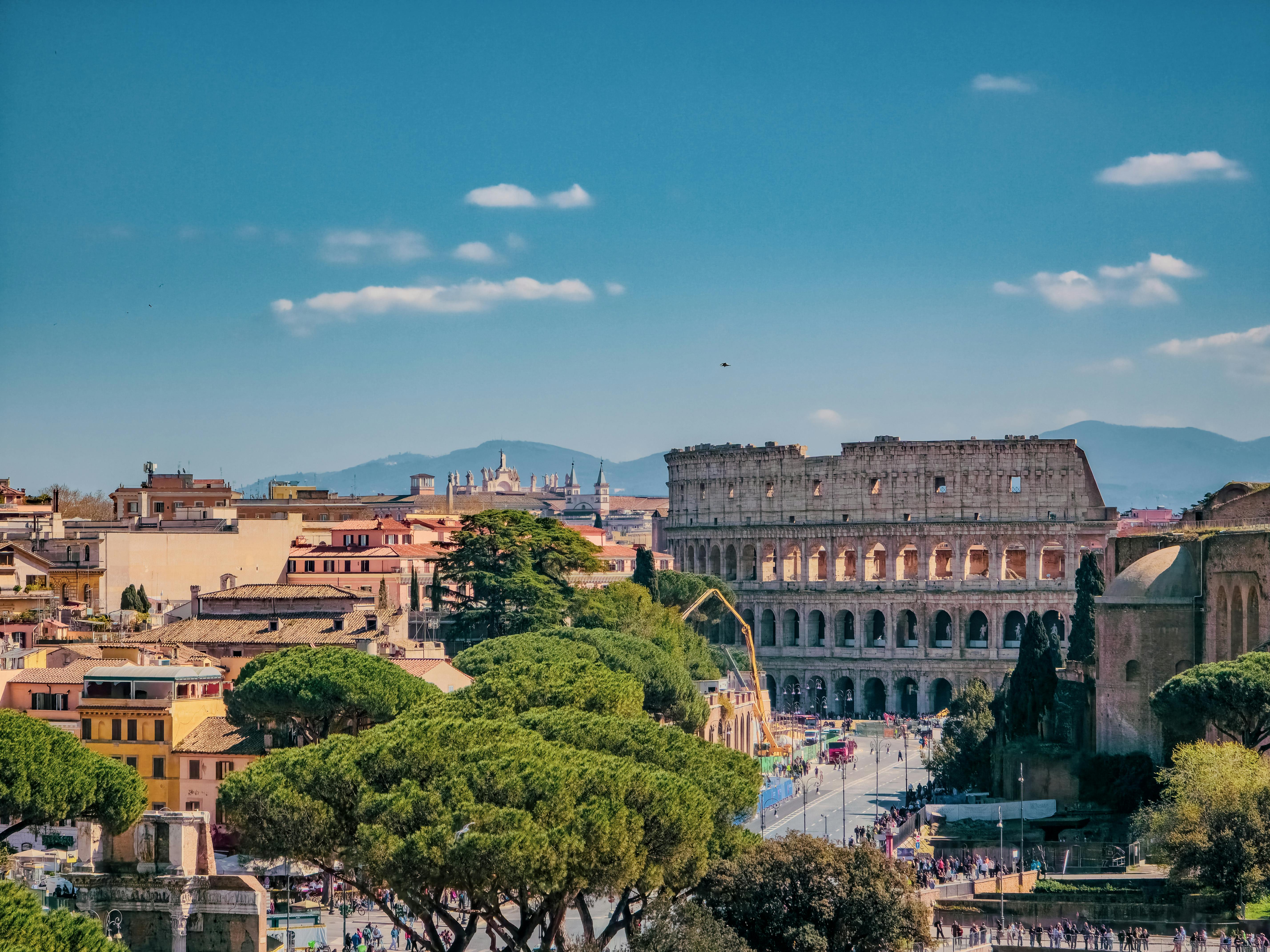 Rome
Image by:Paolo Bici
Rome
Image by:Paolo Bici
Ghazni and Rome present a fundamental divergence in living standards for 2026, primarily defined by the stark contrast between affordability and quality. Ghazni offers exceptionally low costs across the board, from groceries to transport and housing, making it one of the most economical places globally. However, this economy is accompanied by a severe deficiency in quality of life fundamentals, particularly safety and healthcare access, aspects where Rome vastly outperforms.
The economic disparity is reflected directly in salaries and housing. Ghazni's average monthly net salary is insufficient to cover even its low cost of living, let alone provide a margin. Property prices are correspondingly extremely low. In Rome, the average salary is significantly higher, enabling a higher standard of living despite the city's elevated expenses. While Ghazni's property costs are minimal, Rome's are substantially higher, reflecting its status as a major European capital.
Quality of life indicators paint a clear picture. Ghazni's low quality index score signals major shortcomings in essential services, infrastructure, safety, and healthcare availability and quality. Residents face likely significant challenges regarding personal security and medical care. Conversely, Rome boasts a much higher quality index, signifying better public services, robust infrastructure, enhanced safety, and generally accessible, quality healthcare, contributing to a more secure and healthier urban environment.
For those considering long-term prospects, Rome appears significantly more promising. It benefits from a higher GDP per capita and a positive growth rate, indicating a stable and developed economy. Career opportunities are more diverse and tied to a system offering better prospects. Ghazni, with its weak economic indicators, suggests limited investment potential and fewer avenues for professional advancement within a stable framework.
Ultimately, the choice hinges on prioritizing extreme cost savings versus a developed environment offering security, health, and infrastructure. Ghazni provides the lowest living expenses globally but at the expense of significant compromises on safety, healthcare, and overall well-being. Rome delivers a high standard of living with superior public services and healthcare but requires a substantial financial commitment. For most seeking security and development, Rome remains the clear choice, despite the associated costs.
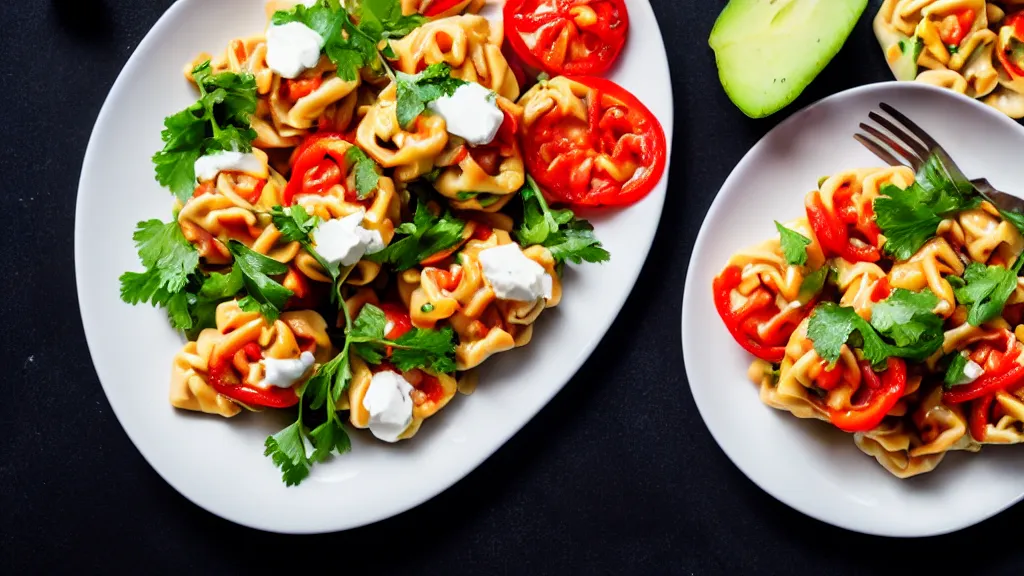 Ghazni
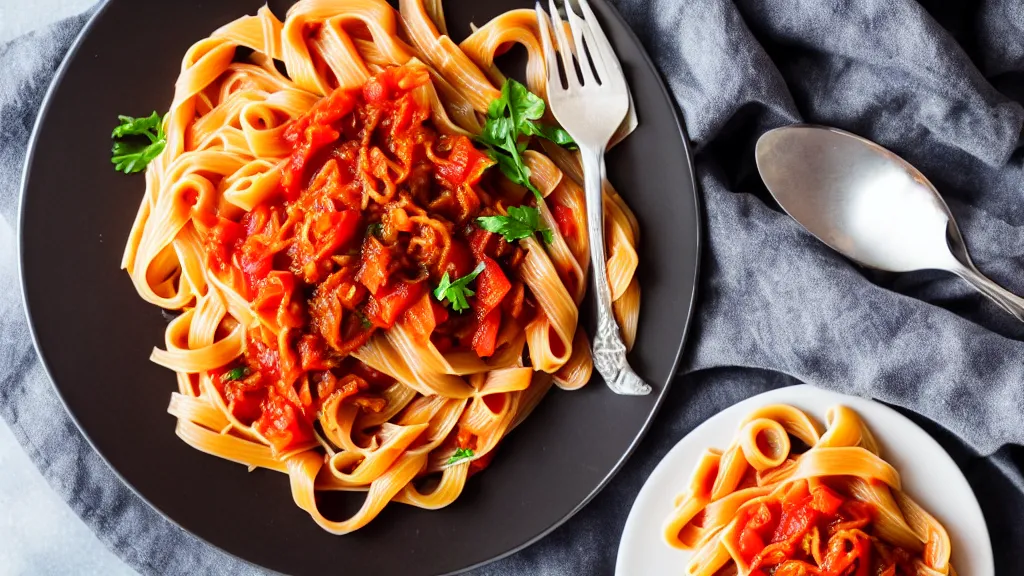 Rome
RomeLocal cuisine & dishes
Ghazni
Rome
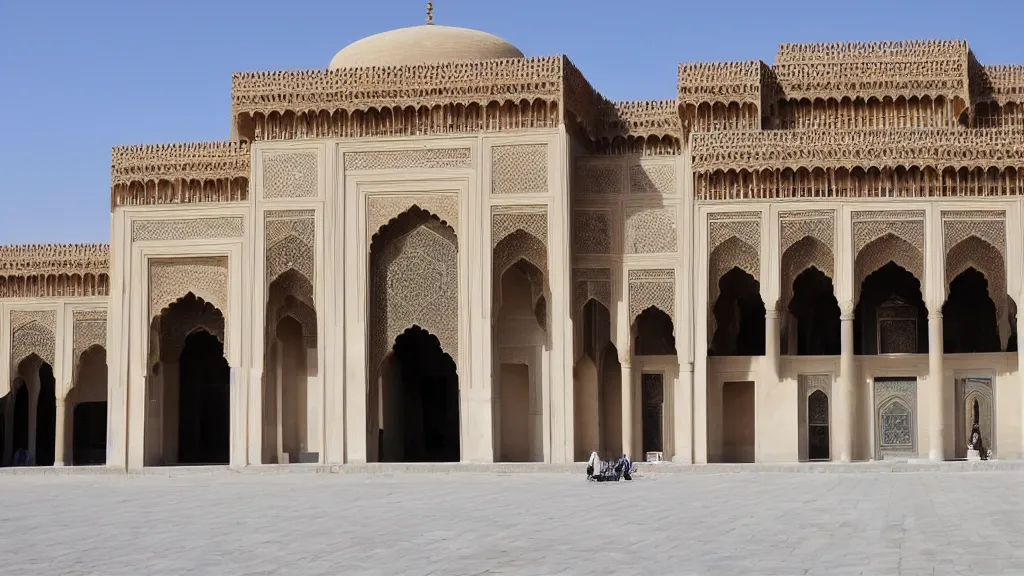 Ghazni
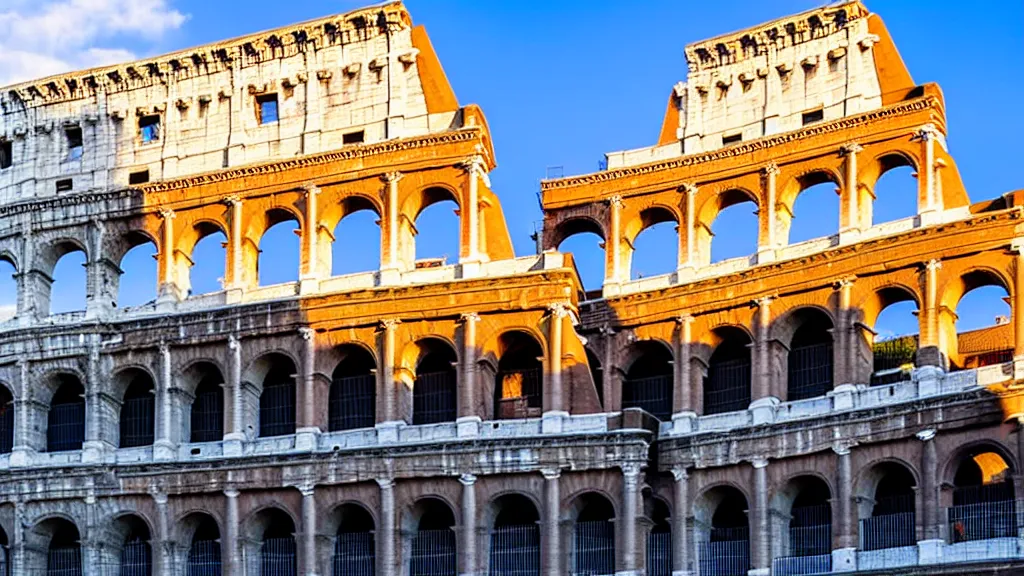 Rome
RomeTravel & attractions
Ghazni
Rome
Real estate & living comparison
| Ghazni | Rome | |
|---|---|---|
| International Primary School, Annual Tuition per Child | 1587.3 USD | 14584.9 USD |
| Private Full-Day Preschool or Kindergarten, Monthly Fee per Child | 20.9 USD | 585.38 USD |
| Jeans (Levi's 501 or Similar) | 10.32 USD | 70.02 USD |
| Men's Leather Business Shoes | 24.4 USD | 123.92 USD |
| Apples (1 kg) | 0.57 USD | 2.64 USD |
| Bananas (1 kg) | 0.85 USD | 2.32 USD |
| Bottled Water (0.33 Liter) | 0.16 USD | 1.5 USD |
| Cappuccino (Regular Size) | 1.06 USD | 2.27 USD |
| Cinema Ticket (International Release) | 2.38 USD | 11.67 USD |
| Gasoline (1 Liter) | 1.06 USD | 1.97 USD |
| Taxi 1 Hour Waiting (Standard Tariff) | 2.78 USD | 35.01 USD |
| Basic Utilities for 85 m2 Apartment (Electricity, Heating, Cooling, Water, Garbage) | 53.71 USD | 216.81 USD |
| Broadband Internet (Unlimited Data, 60 Mbps or Higher) | 113.1 USD | 32.4 USD |
| Population | 143,379 | 2,748,109 |
Last updated: 2026-04-05T15:42:17+00:00
Comments for this comparison