
Harare vs. Bitung: Detailed 2026 Cost of Living & Quality Comparison
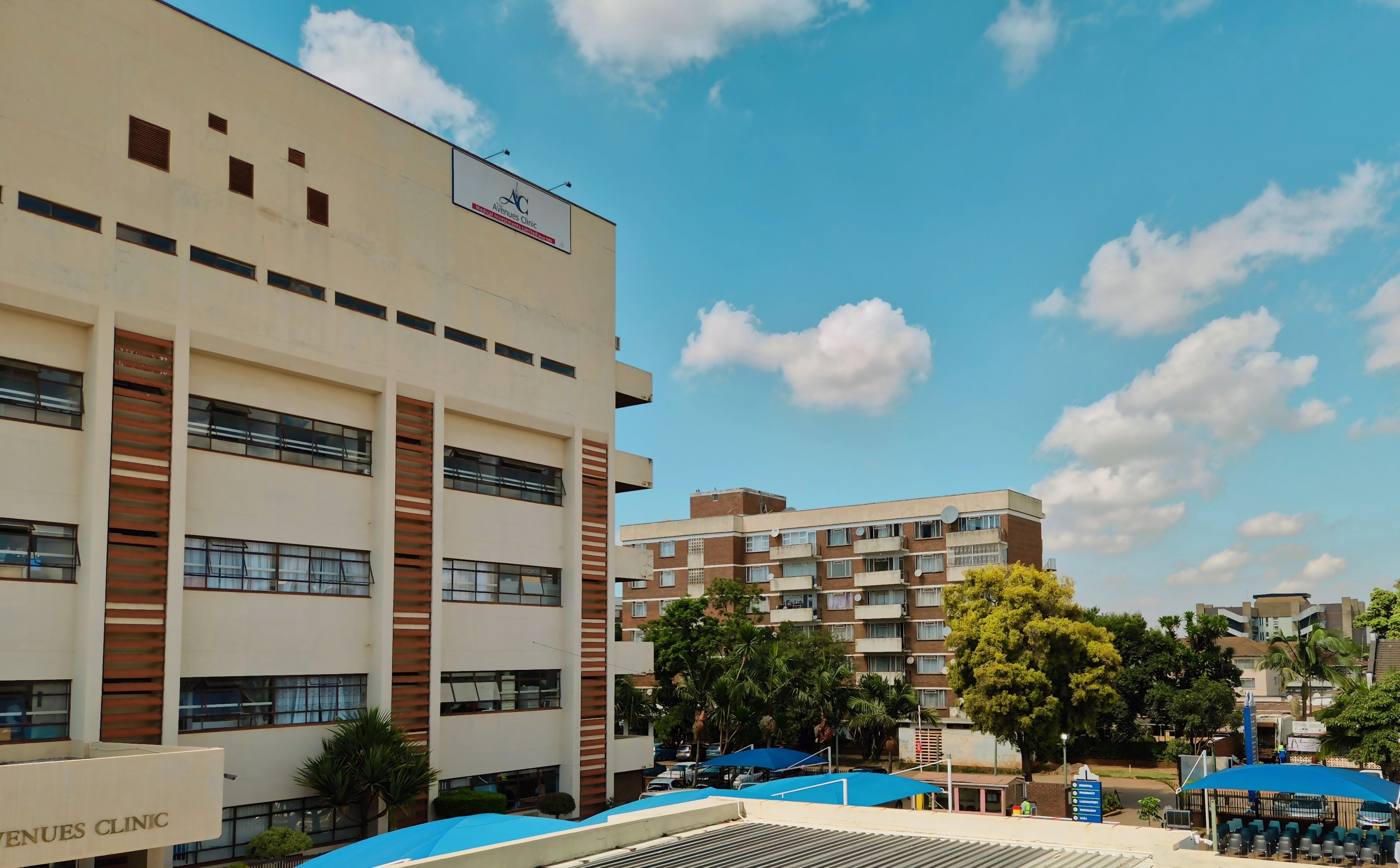 Harare
Image by:Joel Muzhira
Harare
Image by:Joel Muzhira
 Bitung
Image by:el jusuf
Bitung
Image by:el jusuf
Harare's economic landscape in 2026 presents a complex picture. Despite moderate GDP growth and a larger population, the city's cost of living is considerably higher than Bitung's, reflecting Zimbabwe's challenging economic context. Harare's average net salary stands at $391.67 per month, significantly lower than Bitung's GDP per capita of $13,900, suggesting vastly different purchasing power for residents. While Harare's GDP per capita is $3,400, its higher population growth rate of 1.91% contrasts with Bitung's lower growth, yet the stark difference in average salaries points towards fewer high-paying career opportunities in Harare and a more favourable economic environment in Bitung. The high inflation rate further complicates the real value assessment of Harare's earnings.
The cost of living disparity between Harare and Bitung is starkly evident, particularly concerning housing. Harare's property market ranges from $315 to $908 per square meter outside city centers, escalating to over $900 in the center. This high cost, coupled with the already low average salary, results in an exceptionally high property-to-income ratio of 8.3, indicating potential severe financial strain for many residents. Conversely, Bitung offers substantially lower costs for basic goods and salaries, making it a financially more accessible option, although specific housing data for Bitung is not provided for direct comparison.
While Harare boasts a high overall Quality of Life Index (98.57), this masks significant internal disparities. The city benefits from good climate and healthcare indices but suffers from poor safety (index 38.2) and high pollution levels (82.06). Commute times are long at 30.47 minutes, adding to the daily burden. Bitung, however, lacks comprehensive quality of life data, including crucial safety, healthcare, and environmental indices. This absence prevents a full assessment of Bitung's living conditions, leaving a critical gap in understanding its true quality of life compared to the more data-rich, albeit challenging, Harare.
Economically, Harare's indicators appear less robust than Bitung's. With a lower GDP per capita ($3,400 vs. $13,900) and higher inflation likely eroding savings, Harare presents a riskier environment for investment and career stability. The combination of a low average salary and high cost of living, especially housing, limits investment potential for international capital. Bitung, despite its data scarcity, appears to offer more stable economic fundamentals with higher GDP figures and lower population growth, potentially providing more predictable conditions, though this requires careful consideration given the lack of quality metrics.
The decision between Harare and Bitung hinges on balancing quality and cost. Harare offers generally higher quality metrics where available, alongside a larger economic base, but confronts residents with a high cost of living, significant safety concerns, and environmental pollution. Bitung provides a substantially lower cost of living and potentially more stable economic figures, but crucially lacks the comprehensive quality of life data needed for a balanced evaluation. Choosing Bitung means prioritizing financial prudence and lower costs over the potentially higher quality and larger market of Harare, acknowledging the significant data gap regarding Bitung's true living conditions.
 Harare
 Bitung
Local cuisine & dishes
Harare
Bitung
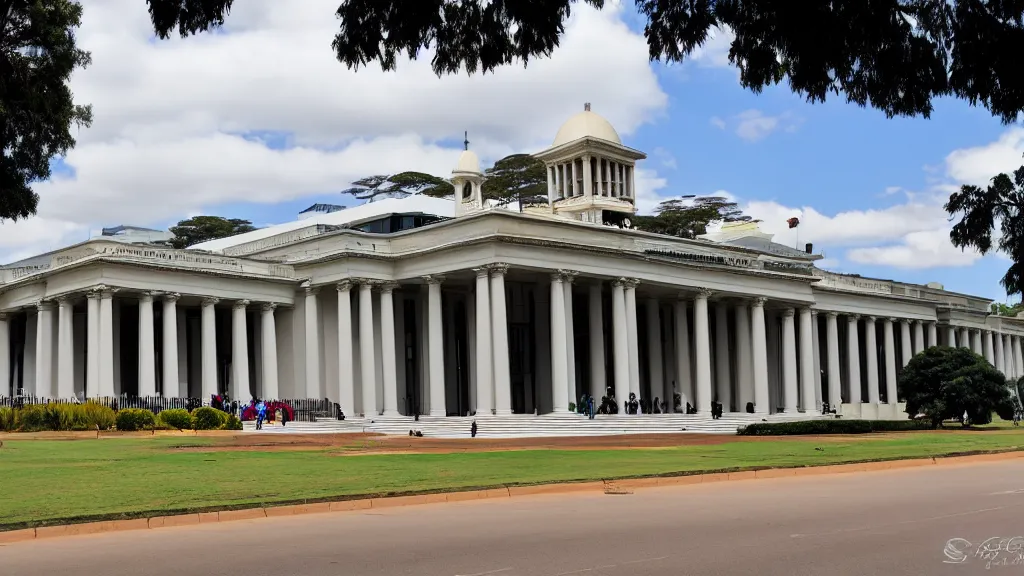 Harare
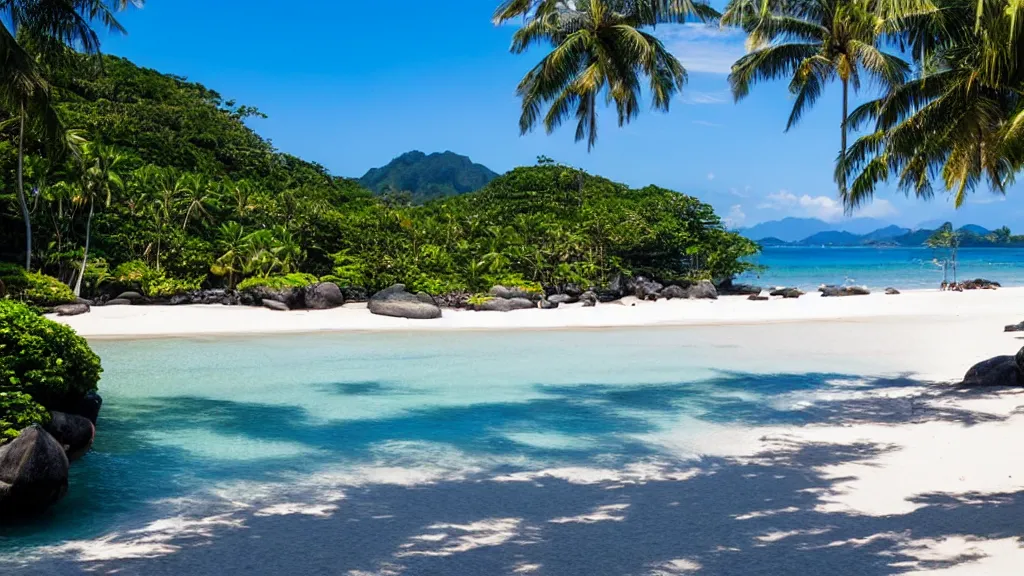 Bitung
Travel & attractions
Harare
Bitung
Real estate & living comparison
| Harare | Bitung | |
|---|---|---|
| Bottled Water (0.33 Liter) | 0.51 USD | 0.18 USD |
| Cappuccino (Regular Size) | 3.11 USD | 1.19 USD |
| GDP Growth Rate: | 5.34 USD | 5.05 USD |
| GDP Per Capita ($) : | 3400 USD | 13900 USD |
| Population | 1,558,823 | 218,520 |
Last updated: 2026-04-05T11:51:24+00:00
Comments for this comparison