
Sakākā vs. Kwekwe: Detailed 2026 Cost of Living & Quality Comparison
 Sakaka
Image by:Earth Photart
Sakaka
Image by:Earth Photart
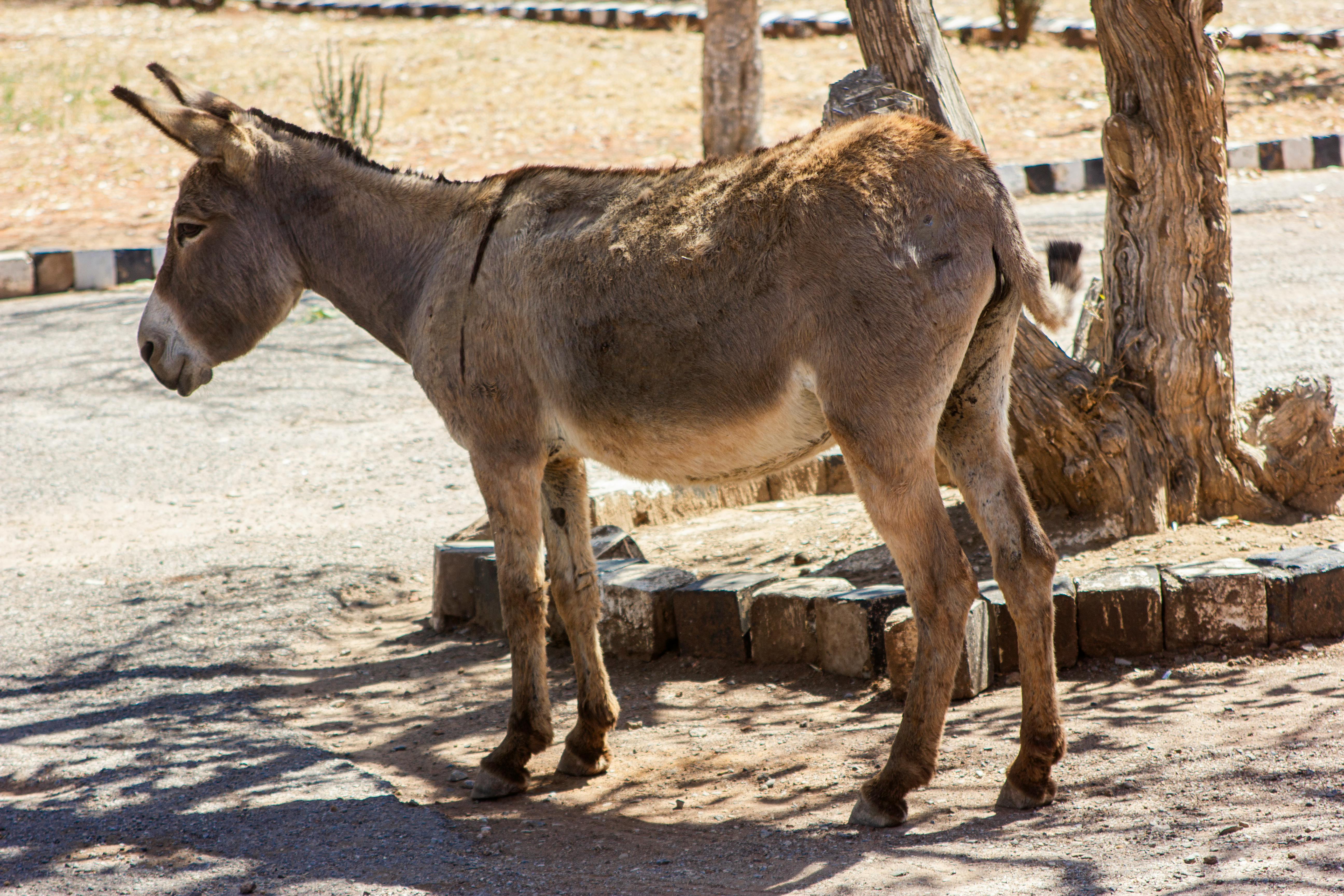 Kwekwe
Image by:Noah Denhe
Kwekwe
Image by:Noah Denhe
Sakākā stands out dramatically from Kwekwe in economic terms and sheer scale. With a population of 241,669 dwarfing Kwekwe's 119,863, and a GDP per capita of $55,100 versus Kwekwe's $3,400, the economic landscape is vastly different. This translates directly into living standards, with Sakākā offering a significantly higher average net salary of $932.37 per month compared to Kwekwe's $300.00. These figures alone paint a picture of a city operating on a vastly different financial plane, where opportunities and resources are substantially more abundant.
The most pronounced difference in living expenses concerns housing. Renting a city-center 1-bedroom apartment in Sakākā costs $239.75 per month, which is considerably higher than the $150.00 found in Kwekwe. This trend extends to larger apartments, though the data shows an interesting nuance: a 3-bedroom apartment in Sakākā's city center is $426.22, cheaper than Kwekwe's $600.00 for the same size unit, despite Sakākā's overall higher cost of living. However, implicit mortgage costs in Sakākā appear higher than Kwekwe's stated 13.69% interest rate, suggesting different investment dynamics for homeownership.
Beyond bricks and mortar, Sakākā imposes a higher burden across most quality-of-life indicators. Food costs are generally steeper; while a fast-food combo meal is cheap ($7.46), a mid-range restaurant meal for two is $23.98, less than the $50.00 in Kwekwe. Groceries tell a mixed story, with basic staples like milk, eggs, and beef cheaper in Kwekwe, although produce like apples and bananas is more expensive there. Utilities are clearly more costly in Sakākā, with $60.17 needed for an 85m² apartment, a figure not available for Kwekwe. Transportation also favors Kwekwe, where gasoline costs $1.57 per liter compared to Sakākā's $0.60, and car prices are substantially higher overall.
From an investment and career standpoint, Sakākā presents a more lucrative proposition, aligning with its higher GDP per capita and salaries. The economic strength suggests greater potential for career advancement and investment returns. However, this comes at the steep price of a significantly higher cost of living for almost everything, including the housing already discussed. Kwekwe offers a much lower cost of living, particularly for housing and groceries, which could be advantageous for budgeting. Yet, the lower average salary reflects a different economic reality, suggesting that while expenses are lower, the potential for wealth accumulation or high-earning careers is scaled differently.
Ultimately, Sakākā and Kwekwe represent fundamentally different worlds. Sakākā offers the promise of higher earnings and a more developed economic environment, but at a substantially higher price point for daily life. Kwekwe provides a much more affordable lifestyle, albeit one characterized by lower incomes and a different economic context. The choice hinges entirely on individual priorities: a trade-off between higher income and significantly higher expenses, versus a lower income with a correspondingly lower cost of living.
 Sakaka
 Kwekwe
Local cuisine & dishes
Sakaka
Kwekwe
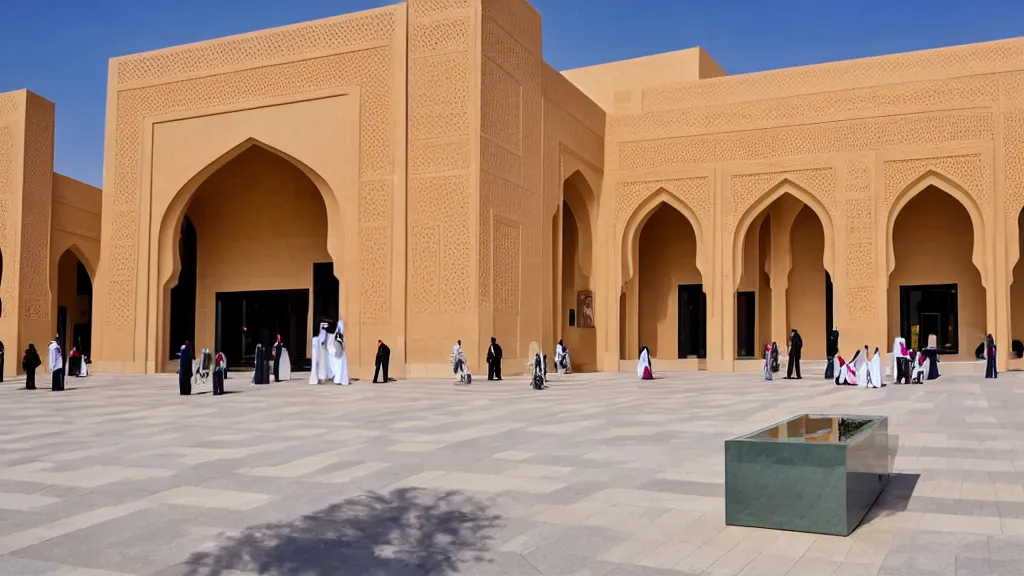 Sakaka
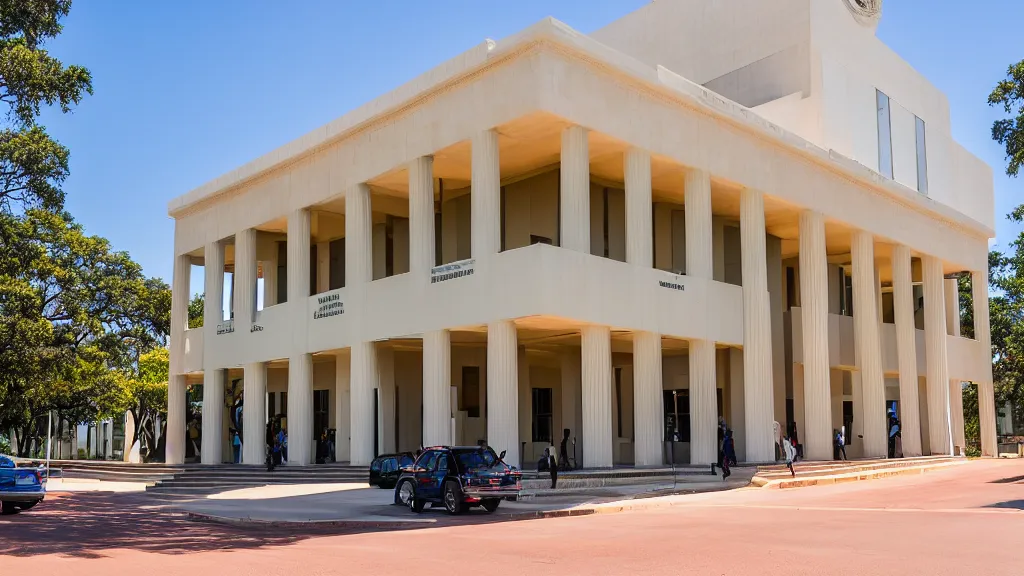 Kwekwe
Travel & attractions
Sakaka
Kwekwe
Real estate & living comparison
| Sakaka | Kwekwe | |
|---|---|---|
| Apples (1 kg) | 1.86 USD | 2.98 USD |
| Bananas (1 kg) | 1.86 USD | 1.72 USD |
| 1 Bedroom Apartment in City Centre | 239.75 USD | 150 USD |
| 1 Bedroom Apartment Outside of City Centre | 226.43 USD | 120 USD |
| Bottled Water (0.33 Liter) | 0.33 USD | 0.51 USD |
| Cappuccino (Regular Size) | 3.6 USD | 3.11 USD |
| Average Monthly Net Salary (After Tax) | 932.37 USD | 300 USD |
| GDP Growth Rate: | 0.75 USD | 5.34 USD |
| Gasoline (1 Liter) | 0.6 USD | 1.57 USD |
| Population | 241,669 | 119,863 |
Last updated: 2026-04-05T15:42:19+00:00
Comments for this comparison