
Kadoma vs. Davao: Detailed 2026 Cost of Living & Quality Comparison
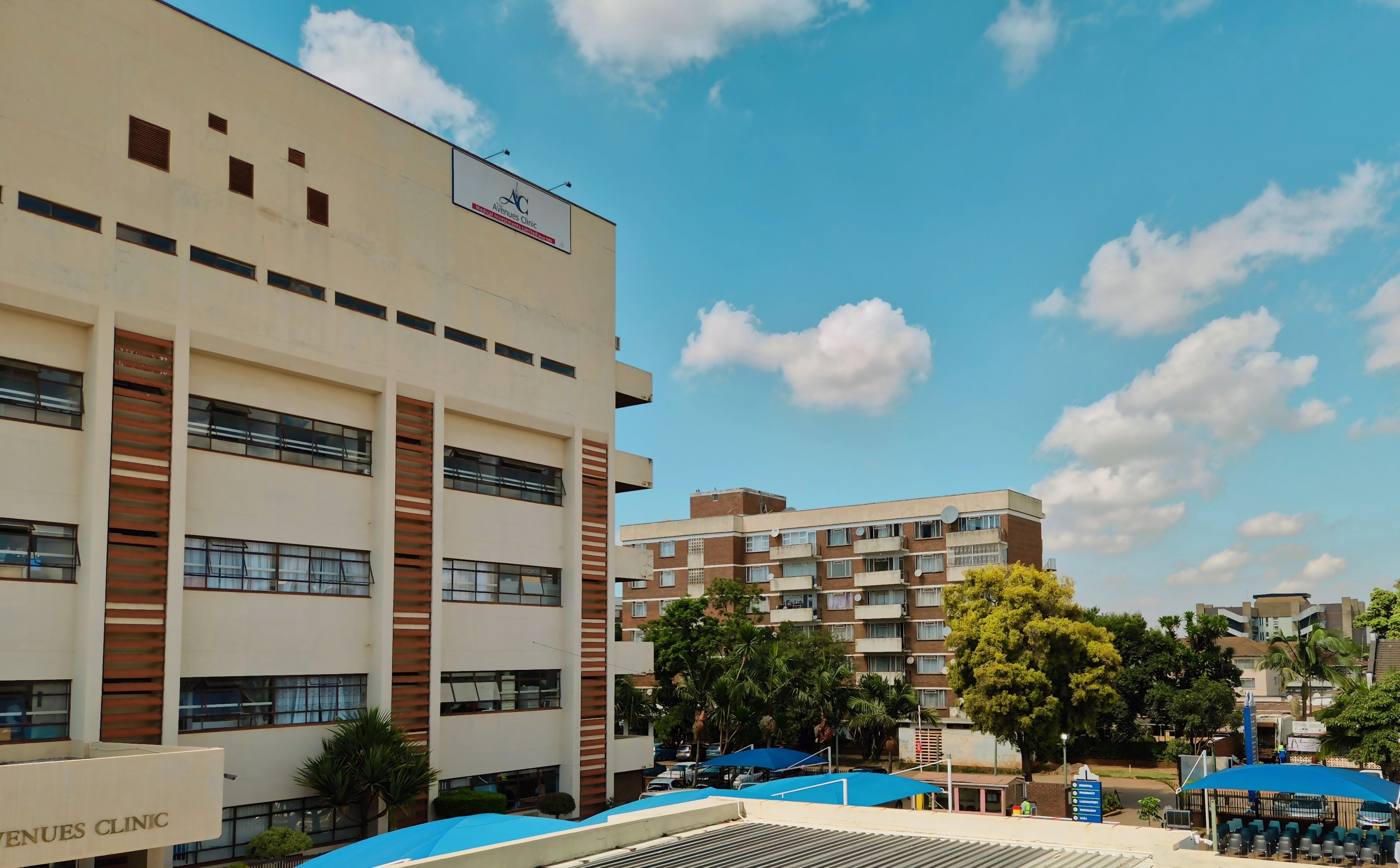 Kadoma
Image by:Joel Muzhira
Kadoma
Image by:Joel Muzhira
 Davao
Image by:Garley Gibson
Davao
Image by:Garley Gibson
Davao presents a compelling case for economic opportunity and affordability compared to Kadoma, Zimbabwe. Basic living expenses like groceries and transportation are significantly lower in the Philippines, reflecting a more accessible cost structure. Crucially, salaries in Davao are higher on average, offering greater purchasing power relative to the lower costs. This economic advantage is further underscored by a higher GDP per capita, suggesting a more robust local economy and potentially better access to services and job stability. In contrast, Kadoma's economic profile, marked by a lower GDP per capita, faces headwinds, limiting disposable income and investment potential for residents.
The housing disparity between these two cities is stark and fundamentally impacts the cost of living. Kadoma's property market, particularly for central locations, is characterized by inflated prices that often exceed local income levels. The average mortgage interest rate is also higher here. Davao, however, offers significantly more affordable housing, both for renting and buying, with substantially lower price per square meter, even in desirable central areas. This translates to a much smaller housing gap for Davao residents, making homeownership or renting more feasible within the local economy.
While Davao demonstrates strengths across economic vitality and basic affordability, the quality of life comparison reveals nuances. Davao generally offers lower costs for essential services and infrastructure, including public transport and potentially broader amenities. Its higher GDP per capita likely supports better-developed public services and healthcare infrastructure. Although Kadoma's data on specific quality metrics like childcare and utilities is less detailed, Davao's overall economic dynamism and lower cost of living in many categories suggest a potentially safer and more reliably serviced environment for residents.
For investors and career-focused individuals, Davao's advantages are clear. The combination of a higher GDP per capita, a significantly higher GDP growth rate, and a lower mortgage interest rate creates a favourable climate for investment and career advancement. The city's expanding economy likely translates to more job opportunities and potentially better long-term prospects. Conversely, Kadoma's lower GDP per capita and higher cost of living, especially concerning housing, paint a less attractive picture for investment and career growth in 2026.
Ultimately, the choice between Kadoma and Davao hinges on divergent priorities. Davao emerges as the more economically vibrant and generally more affordable option, offering higher salaries, lower housing costs, and a stronger economic outlook. Kadoma, while potentially offering specific property deals, confronts significant economic challenges and presents a much higher cost of living, particularly regarding housing and overall economic health, making it a less compelling proposition for most financial and lifestyle considerations in 2026.
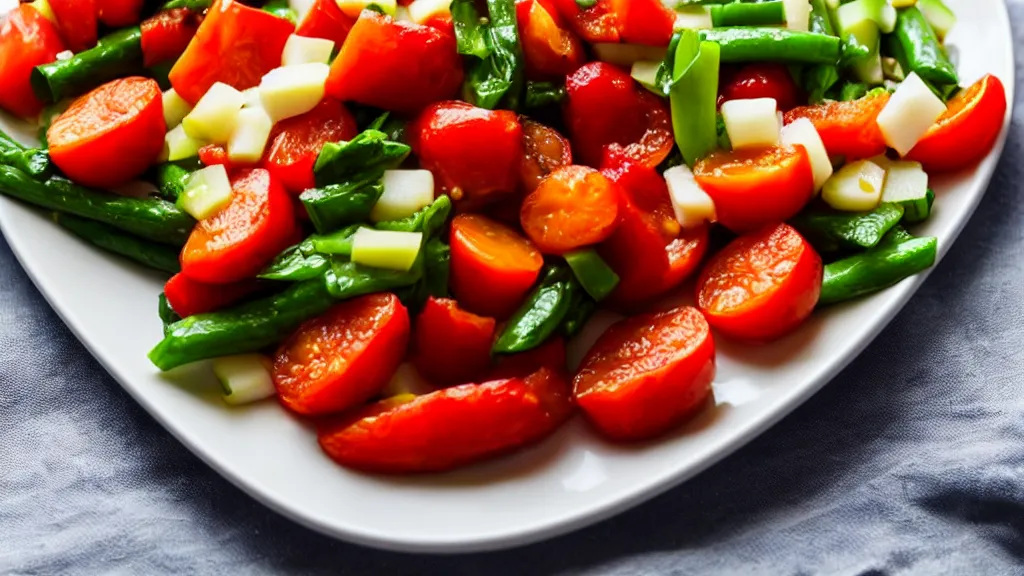 Kadoma
 Davao
DavaoLocal cuisine & dishes
Kadoma
Davao
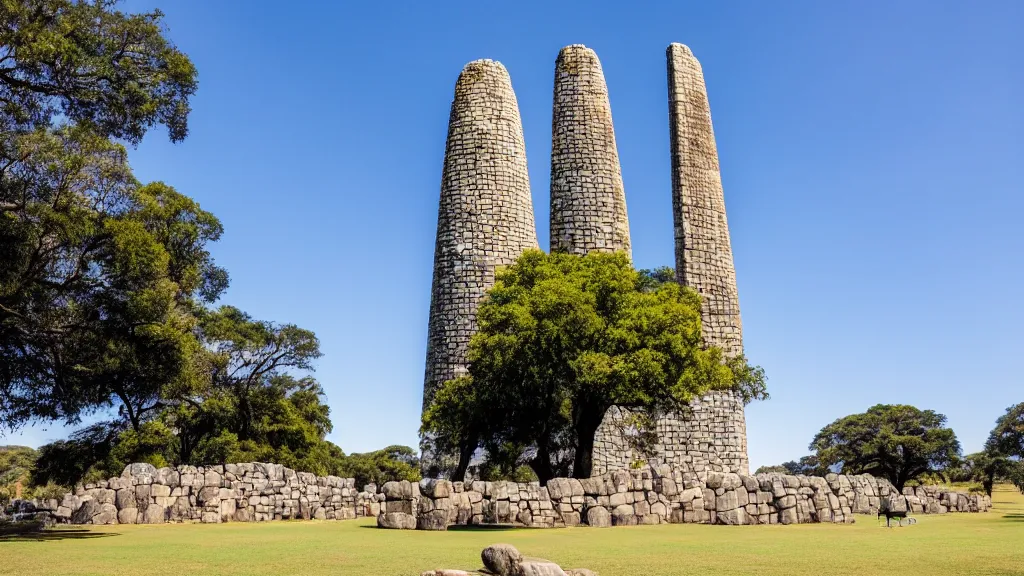 Kadoma
 Davao
DavaoTravel & attractions
Kadoma
Davao
Real estate & living comparison
| Kadoma | Davao | |
|---|---|---|
| International Primary School, Annual Tuition per Child | 10750 USD | 7729.3 USD |
| Private Full-Day Preschool or Kindergarten, Monthly Fee per Child | 399.39 USD | 115.46 USD |
| Jeans (Levi's 501 or Similar) | 24.57 USD | 55.82 USD |
| Men's Leather Business Shoes | 42.42 USD | 66.56 USD |
| Apples (1 kg) | 2.98 USD | 2.86 USD |
| Bananas (1 kg) | 1.72 USD | 1.15 USD |
| Bottled Water (0.33 Liter) | 0.51 USD | 0.72 USD |
| Cappuccino (Regular Size) | 3.11 USD | 2.78 USD |
| Annual Mortgage Interest Rate (20-Year Fixed, in %) | 13.69 USD | 8.31 USD |
| Cinema Ticket (International Release) | 10 USD | 5.15 USD |
| Gasoline (1 Liter) | 1.57 USD | 1.04 USD |
| Taxi 1 Hour Waiting (Standard Tariff) | 5 USD | 2.06 USD |
| Basic Utilities for 85 m2 Apartment (Electricity, Heating, Cooling, Water, Garbage) | 60.17 USD | 115.94 USD |
| Broadband Internet (Unlimited Data, 60 Mbps or Higher) | 75.3 USD | 33.78 USD |
| Population | 116,300 | 1,910,167 |
Last updated: 2026-04-05T04:49:28+00:00
Comments for this comparison