
Kagoshima vs. Haarlem: Detailed 2026 Cost of Living & Quality Comparison
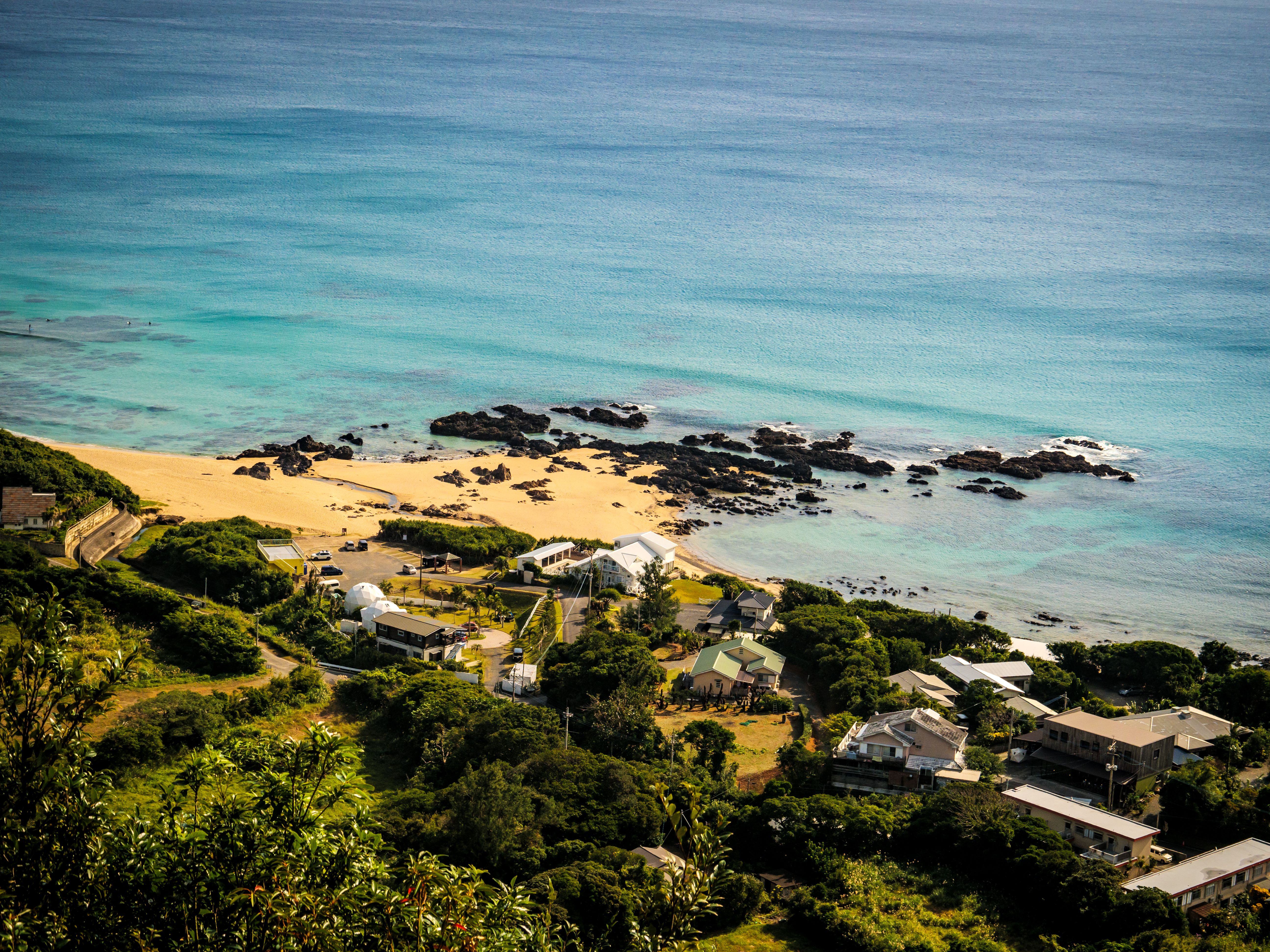 Kagoshima
Image by:Christopher Politano
Kagoshima
Image by:Christopher Politano
 Haarlem
Image by:Paul Julliot
Haarlem
Image by:Paul Julliot
Kagoshima, Japan, with a population exceeding 593,000, presents a different economic landscape than Haarlem, Netherlands, home to around 162,500 people. The most fundamental difference lies in their respective national economic profiles, reflected in their GDP per capita figures. Haarlem's GDP per capita stands at $71,400, significantly higher than Kagoshima's $46,200. This national wealth difference translates directly into individual income, with Haarlem's average net salary being $3,903.13, more than double Kagoshima's average net salary of $1,855.09. However, this higher income in Haarlem is matched by substantially higher basic living costs, including food, transport, and utilities, creating a complex picture for affordability.
Housing represents a stark contrast between the two cities, primarily driven by overall cost structures and national wealth. Haarlem's property prices are substantially more expensive than Kagoshima's, reflecting its position in a wealthier nation. While Kagoshima's average net salary is lower, its property price to income ratio is still high at some level, indicating potential financial pressure for homeownership. For renters, the difference is particularly acute: a 1-bedroom apartment in Kagoshima's city center costs approximately $572.43 per month, a fraction of the $1,940.61 required in Haarlem. Furthermore, Kagoshima offers a lower mortgage interest rate (1.86%) compared to Haarlem's rate (4.0%), potentially easing the long-term financial burden of property purchase despite the lower salary.
The quality of life assessment reveals a nuanced picture where numerical values sometimes contradict intuitive expectations. Kagoshima shows higher numerical values for its overall quality of life score (118.98), cost of living index (172.32), and property prices index (172.32). However, the specific meaning of these higher numbers depends heavily on the underlying metric's scoring system, making direct comparison difficult. Haarlem, conversely, shows lower numerical values for some indices, but benefits from being part of the Netherlands, a country renowned for high standards in safety, healthcare, and infrastructure. Haarlem's safety index (75.63) and health care index (77.12) suggest robust public services, while its low pollution index (23.14) indicates a cleaner environment, contributing to a perceived high quality of life, albeit one potentially different from the metrics used for Kagoshima.
Considering career and investment opportunities, the two cities diverge significantly. Haarlem offers a higher average net salary ($3,903.13) and operates within the stable, globally integrated Dutch economy, though its GDP growth rate (0.07%) is slower than Kagoshima's (1.68%). This higher salary in Haarlem fuels its expensive cost of living and property market, creating both opportunities and barriers. Kagoshima presents a lower average net salary ($1,855.09) but offers a much more affordable cost of living overall, including significantly lower property prices (as indicated by the index). This affordability, coupled with a lower mortgage interest rate, makes Kagoshima potentially more accessible for relocation or investment, despite the lower economic base and different interpretation of quality of life data.
In essence, Kagoshima and Haarlem represent distinct urban environments demanding careful consideration of priorities. Haarlem offers higher income potential and access to established public services like safety and healthcare, but at a substantially higher cost of living and property prices. Kagoshima provides significantly lower living expenses and potentially more accessible housing, but with a lower income base and differing quality of life metric interpretations. The choice hinges on whether the advantages of higher income, established services, and international integration in Haarlem outweigh the financial demands, or if the affordability and lower cost of living in Kagoshima align better with individual or family goals.
 Kagoshima
 Haarlem
Local cuisine & dishes
Kagoshima
Haarlem
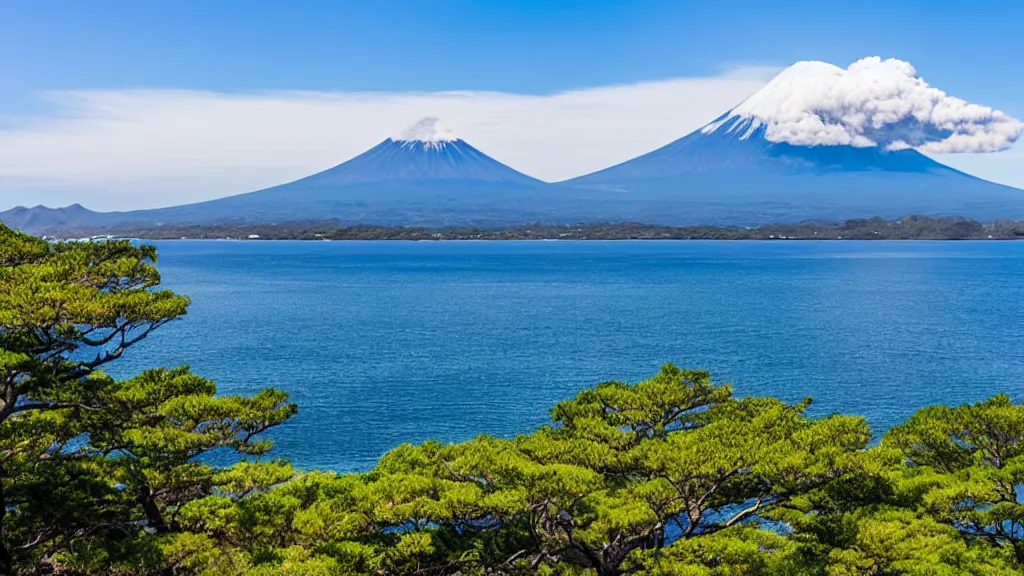 Kagoshima
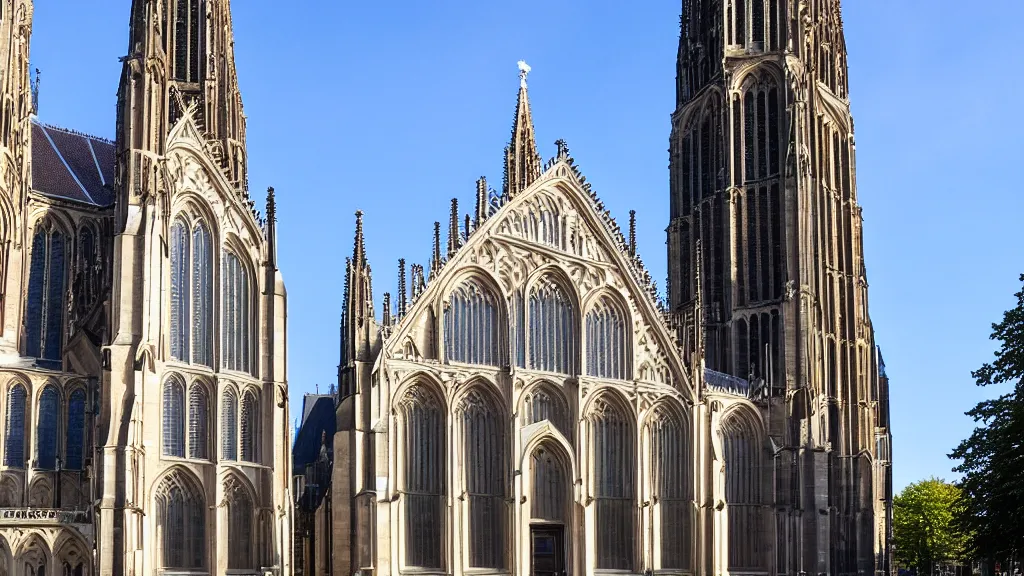 Haarlem
Travel & attractions
Kagoshima
Haarlem
Real estate & living comparison
| Kagoshima | Haarlem | |
|---|---|---|
| International Primary School, Annual Tuition per Child | 12246.77 USD | 6431.16 USD |
| Private Full-Day Preschool or Kindergarten, Monthly Fee per Child | 127.21 USD | 2761.22 USD |
| Jeans (Levi's 501 or Similar) | 50.88 USD | 89.12 USD |
| Men's Leather Business Shoes | 55.65 USD | 191.48 USD |
| Apples (1 kg) | 3.66 USD | 3.21 USD |
| Bananas (1 kg) | 1.43 USD | 2.58 USD |
| 1 Bedroom Apartment in City Centre | 572.43 USD | 1931.85 USD |
| 1 Bedroom Apartment Outside of City Centre | 222.61 USD | 1712.92 USD |
| Bottled Water (0.33 Liter) | 0.69 USD | 3.54 USD |
| Cappuccino (Regular Size) | 3.02 USD | 4.54 USD |
| Annual Mortgage Interest Rate (20-Year Fixed, in %) | 1.86 USD | 4 USD |
| Average Monthly Net Salary (After Tax) | 1855.09 USD | 3885.52 USD |
| Cinema Ticket (International Release) | 12.08 USD | 16.95 USD |
| Monthly Fitness Club Membership | 44.52 USD | 57.79 USD |
| Gasoline (1 Liter) | 1.11 USD | 2.29 USD |
| Monthly Public Transport Pass (Regular Price) | 57.24 USD | 109.86 USD |
| Basic Utilities for 85 m2 Apartment (Electricity, Heating, Cooling, Water, Garbage) | 190.81 USD | 250.46 USD |
| Broadband Internet (Unlimited Data, 60 Mbps or Higher) | 32.79 USD | 67.2 USD |
| Population | 593,754 | 162,543 |
Last updated: 2026-04-05T11:46:20+00:00
Comments for this comparison