
Kaithal vs. Bolu: Detailed 2026 Cost of Living & Quality Comparison
 Kaithal
Image by:Anoop VS
Kaithal
Image by:Anoop VS
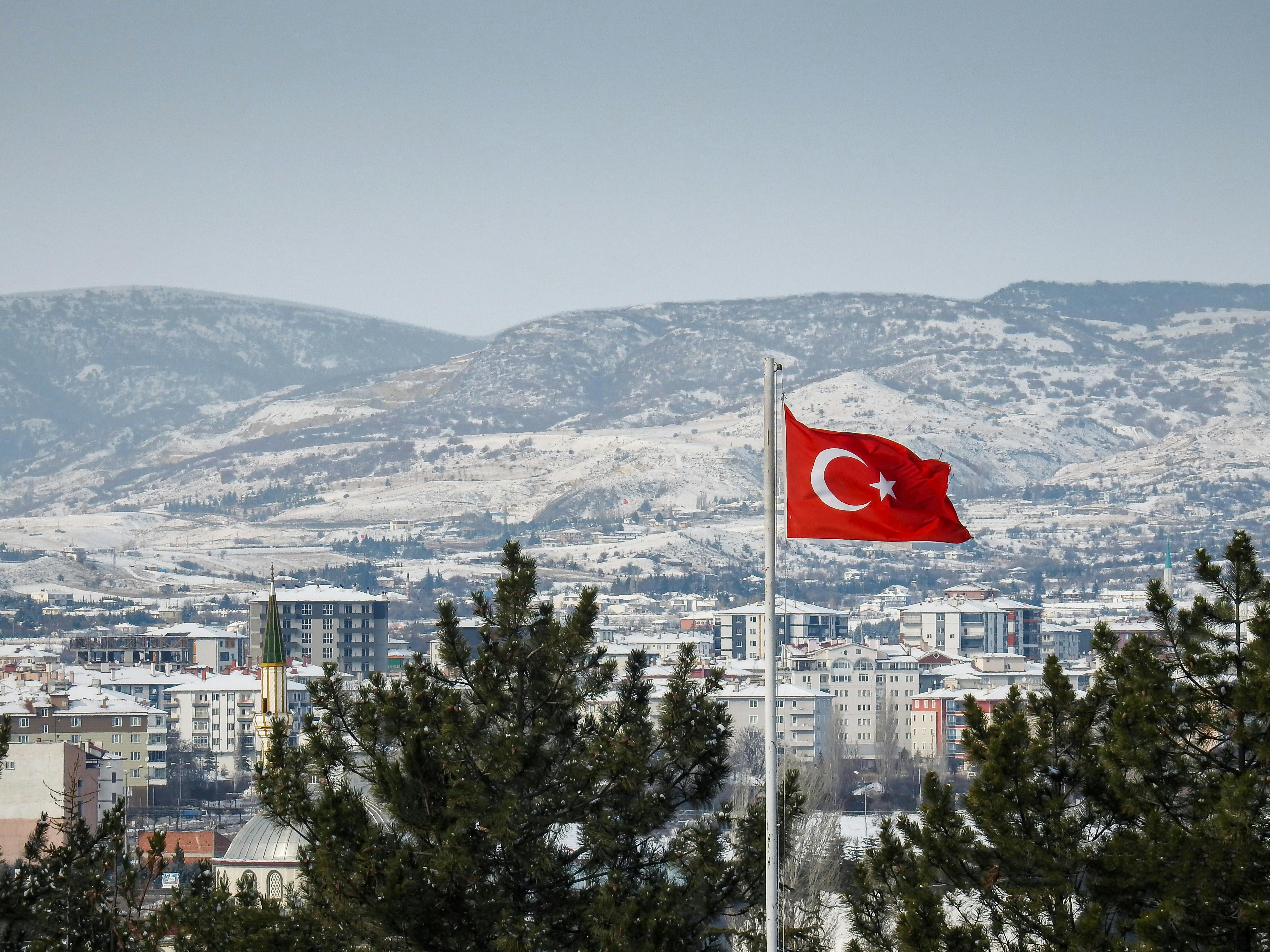 Bolu
Image by:rümeysa yalçın
Bolu
Image by:rümeysa yalçın
Kaithal and Bolu present fundamentally different urban landscapes, reflecting divergent economic profiles despite both being assessed for 2026. Kaithal's smaller scale is evident in its population of around 144,915, lower GDP per capita of $9,200, and a GDP growth rate of 8.15%, though its population expansion is slower at 0.72%. Bolu, with a larger population of 184,682, exhibits a significantly higher GDP per capita ($34,600) and a lower growth rate of 5.11%, yet its population increase is marginally slower at 0.61%. This initial comparison underscores differences in economic development and scale.
Bolu demonstrates a more established economic environment, characterized by higher average net salaries ($682.28/month) and a notably lower mortgage interest rate (43.52%). While Kaithal's salary data is less defined, Bolu's financial conditions appear more favourable for borrowing. However, Bolu's cost-of-living index is considerably higher than Kaithal's, reflecting greater expenses, particularly in accommodation and transport. Bolu's premium real estate market, with apartment prices ranging from $682 to $1,023 per square meter (unavailable for Kaithal), starkly contrasts with the likely lower property costs in Kaithal, despite Bolu offering more quantifiable data on this front.
The quality-of-life comparison reveals Bolu has more accessible metrics. It scores higher on safety (76.32), healthcare (83.33), and lower on pollution (31.9). These indices, coupled with lower pollution levels, suggest Bolu offers potentially better living conditions. Bolu also provides data on childcare ($454.85/month preschool, $20,162.50/year international school) and utilities ($56.86/month), enabling a clearer picture of daily expenses. Kaithal lacks these comparable metrics, making direct assessments of safety, healthcare access, and pollution a challenge.
For investment and career considerations, Bolu appears more stable and data-rich. Its higher GDP per capita, lower interest rates, and higher salaries point towards a more developed job market. The lower property price-to-income ratio (6.25) in Bolu suggests housing may be more affordable relative to earnings there. Bolu also shows less traffic congestion. Conversely, Kaithal's higher GDP growth rate (8.15%) signals potential for rapid expansion and job creation, but the scarcity of detailed economic data and salary figures makes concrete assessments of career prospects difficult. The investment climate in Bolu seems more transparent, while Kaithal's potential remains speculative due to data gaps.
Bolu emerges as the city with the more complete data profile, indicating a higher cost of living, more developed economy, and quantifiable quality-of-life advantages. Kaithal, while showing signs of faster economic expansion, suffers from significant data deficiencies across most categories, complicating robust comparisons. The choice between these cities depends heavily on individual priorities; Bolu offers clearer, data-driven insights into cost, quality, and investment, while Kaithal represents a potentially high-growth market requiring further investigation to navigate effectively.
 Kaithal
 Bolu
BoluLocal cuisine & dishes
Kaithal
Bolu
 Kaithal
 Bolu
BoluTravel & attractions
Kaithal
Bolu
Real estate & living comparison
| Kaithal | Bolu | |
|---|---|---|
| Eggs (12, Large Size) | 0.91 USD | 2.46 USD |
| Milk (Regular, 1 Liter) | 0.71 USD | 1.07 USD |
| GDP Growth Rate: | 8.15 USD | 5.11 USD |
| GDP Per Capita ($) : | 9200 USD | 34600 USD |
| Population | 144,915 | 184,682 |
Last updated: 2026-04-05T15:32:57+00:00
Comments for this comparison